
Russia threatens 'open war' as Estonia closes border crossings
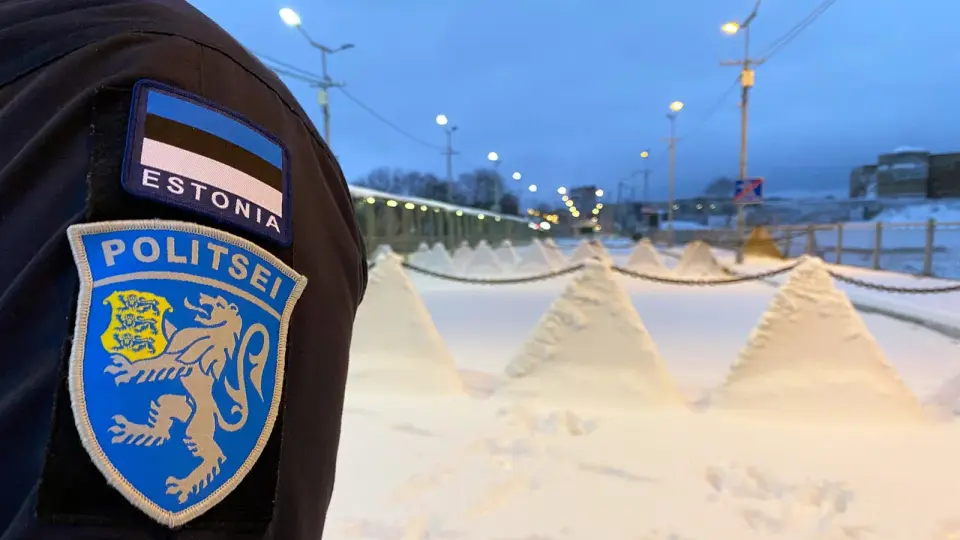
Russia’s Foreign Ministry accused Estonia of 'hostile actions' and warned that Tallinn’s decision to close road border crossings from December 1 risks 'open war.' Moscow lodged a formal protest, alleging Estonia is tacitly allowing Ukrainian drone flights through its airspace and imposing a naval blockade. Estonia rejected these claims, stating it has never permitted foreign military operations on its territory. Tallinn framed the border closure as a security measure to counter Russian sabotage and sanctions evasion, while Moscow characterized the move as 'Russophobic.'
Key points
- Russia’s Foreign Ministry summoned Estonia’s chargé d’affaires, Marek Uhtegi, to protest the closure of road border crossings effective December 1.
- Moscow accused Estonia of 'hostile actions,' including allegedly providing airspace for Ukrainian drones and banning Russian and Belarusian grain transit.
- Estonian Foreign Minister Margus Tsahkna denied the airspace claim, asserting Estonia has never allowed its territory for foreign military operations.
- Tallinn cited a foiled arson attack on a defense company, which it blames on Russian military intelligence, as a primary reason for the border closure.
- The diplomatic row coincides with recent Ukrainian strikes on Russian targets in the Baltic Sea and Crimea, raising concerns about conflict spillover.
Background
This escalation follows a series of security incidents in late 2026, including a Ukrainian drone strike on a Russian corvette in the Gulf of Finland in November and a suspected arson attack on an Estonian defense firm. Earlier in November, Estonia announced the border closure in response to these threats. The current tensions occur amid broader NATO concerns about Russian aggression, including missile incursions into Polish airspace and sabotage plots in Denmark, as noted by NATO Secretary General Mark Rutte.
Why it matters
The confrontation highlights the deepening rift between Russia and NATO’s eastern flank, with Estonia positioning its border closure as a defensive measure against hybrid warfare. While Moscow frames the actions as provocative, Tallinn argues they are necessary to mitigate security risks and sanctions circumvention. This diplomatic flare-up underscores the fragility of the security environment in the Baltic region as the Ukraine war continues to influence regional stability.
What to watch
Estonia is expected to proceed with the closure of road border crossings with Russia on December 1. Analysts suggest that while diplomatic activity has increased, a near-term peace deal between Russia and Ukraine remains unlikely. Continued Ukrainian strikes on Russian infrastructure may further escalate tensions, potentially prompting additional security measures from Baltic states.
Want the full story? Read the original reporting
Read on CNBC