
Hasina Sets December 16 Return Date, Testing India-Bangladesh Ties
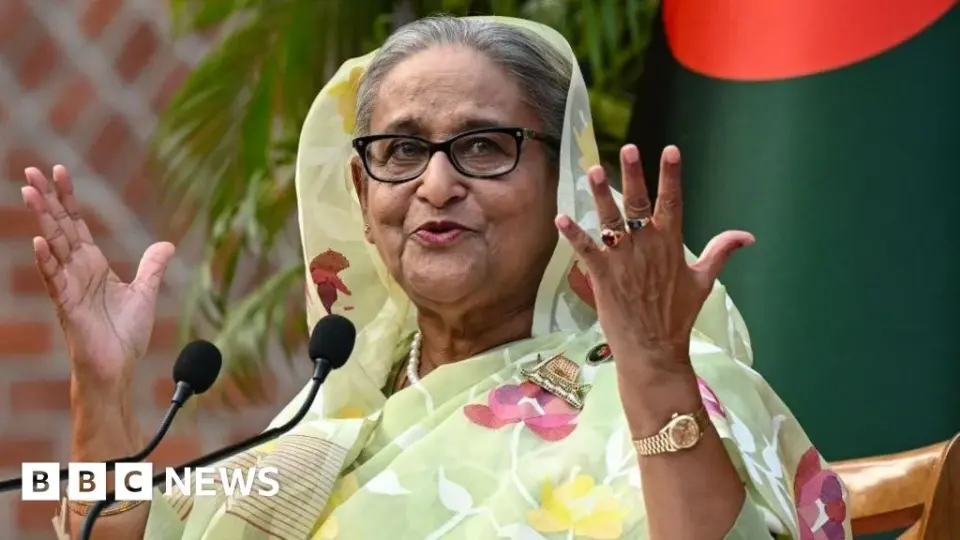
Ousted Bangladesh leader Sheikh Hasina has set December 16 as her target date to return from exile in India, a move that has heightened tensions in Dhaka and strained relations with New Delhi. While Dhaka insists she must be extradited as a convicted fugitive, Hasina’s camp claims a detailed plan for voluntary entry. The announcement has triggered political unrest and diplomatic friction, with India currently examining the extradition request through established channels.
Key points
- Hasina, 79, plans to return on December 16, Victory Day, the anniversary of the 1971 liberation war, marking the first time she has specified a date for her homecoming.
- Bangladesh’s government, led by Prime Minister Tarique Rahman, has rejected her request for a national airline flight, stating she can only return via extradition as a convicted fugitive facing a death sentence.
- India’s foreign ministry stated on Wednesday that the extradition request is being examined through established processes, while clarifying that a voluntary return is a separate matter.
- Hasina’s aide, Abu Obaidha Arin, told the BBC that supporters have identified nine possible land border crossing points and claim the capacity to mobilize five million people to welcome her.
- The Awami League has called for a nationwide lockdown on November 29-30, and supporters have staged over 140 riots and 40 demonstrations since late November, with at least 11 people killed in political violence this month.
- India-Bangladesh relations remain strained, with Prime Minister Rahman having yet to visit India nearly 10 months into his tenure, and only tourist and medical visas currently resumed.
Background
Sheikh Hasina fled to India in August 2024 after a student-led uprising ended her 15-year rule. She was sentenced to death in absentia in November 2025 for crimes against humanity related to the crackdown on protesters. Her Awami League party was banned by the interim government led by Muhammad Yunus before power was transferred to the Bangladesh Nationalist Party in February 2026. India has sheltered Hasina since her departure, but the issue has become a major obstacle to normalizing bilateral relations, affecting trade, water sharing, and consular matters.
How outlets are covering it
BBC and The Hindu both report on the December 16 target date but emphasize different aspects. BBC highlights the diplomatic dilemma for India, noting that Delhi may not want to restrain Hasina from making political statements and that her return could help rehabilitate the Awami League. The Hindu focuses on the domestic political impact in Bangladesh, describing the announcement as a 'gambit' that has reshaped the political calendar and turned a localized law-and-order crisis into a national contest over legitimacy. Both sources agree that Dhaka insists on extradition, but BBC notes India’s foreign ministry is examining the request, while The Hindu quotes Home Minister Salahuddin Ahmed saying the government feels 'no worry or pressure'.
Why it matters
The potential return of a convicted former leader threatens to destabilize Bangladesh’s fragile post-uprising political order and further strain India-Bangladesh relations. The issue has become a test of political will for both Dhaka and New Delhi, with implications for regional security, trade, and the future of the Awami League party.
What to watch
Hasina’s December 16 return date remains unconfirmed, with Dhaka insisting on extradition and Hasina’s camp claiming a detailed plan for voluntary entry. India is examining the extradition request through established procedures. The Awami League has called for a nationwide lockdown on November 29-30, and security in Bangladesh has been heightened amid fears of violence. Analysts warn that December could be chaotic, with protests and confrontation likely as the proposed return date approaches.
- Sheikh Hasina: Why her planned return from India has Bangladesh on edge BBC
- India says Hasina's plan to return to Bangladesh is separate from extradition request Reuters
- An exiled former leader faces execution at home. Why does she want to go back? Financial Times
- Ahead Of Sheikh Hasina's Return, Ex-Pentagon Official's Warning For Dhaka NDTV
- Sheikh Hasina’s return gambit tests Bangladesh’s political fault lines The Hindu
Want the full story? Read the original reporting
Read on BBC