
Herzog Accepts Israeli Election Results as Coalition Talks Begin Amid Deadlock
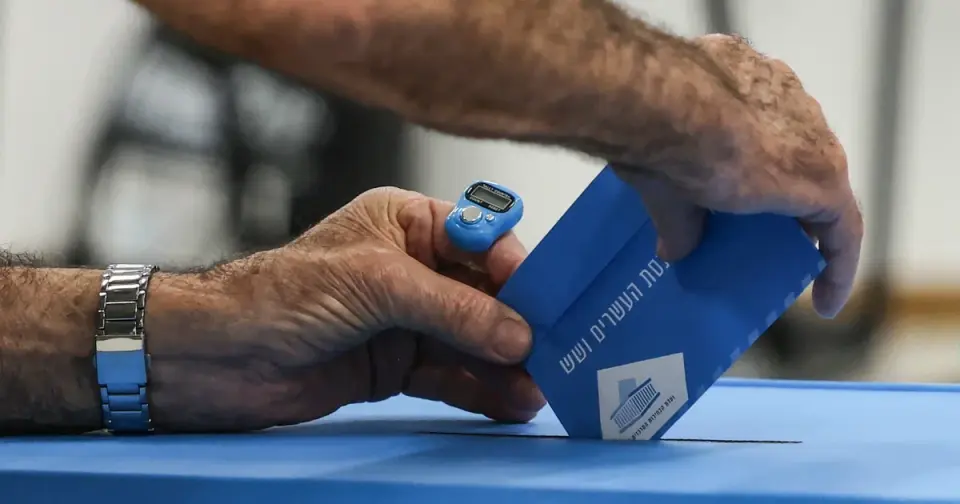
Israeli President Isaac Herzog accepted the certified results of the October 27 election on November 4, initiating consultations to form a new government. Neither Prime Minister Benjamin Netanyahu nor challenger Gadi Eisenkot secured the 61 seats required for a majority, with Netanyahu’s bloc holding 53 seats and Eisenkot’s alliance holding 48. The election commission found no fraud, rejecting Netanyahu’s claims of theft, while Arab-led parties gained 19 seats, potentially positioning them as kingmakers. Herzog must now decide which leader to task with forming a coalition, a process that could lead to a unity government, a minority administration, or new elections if no majority is reached.
Key points
- President Isaac Herzog accepted the certified election results on November 4 and began consultations with party leaders to form a government.
- Netanyahu’s bloc holds 53 seats, while the opposition bloc led by Gadi Eisenkot holds 48 seats; 61 seats are needed for a majority.
- The Central Elections Committee found no evidence of fraud, rejecting Netanyahu’s claims that Arab-led parties stole the election.
- Arab-led parties, including the Joint List and Raam, secured a combined 19 seats, potentially giving them leverage in coalition talks.
- Herzog will consult with parties in order of seat count before deciding which candidate to task with forming a government, with a 28-day deadline for that candidate.
- If no government is formed, Israel may face new elections early next year or attempt a minority government, a scenario without recent precedent.
Background
This follows Israel’s inconclusive October 27 election, where exit polls initially favored Netanyahu but final results showed a fragmented parliament. Prior to this, opposition leaders had demanded immediate government formation to prevent potential conflicts with Iran, while U.S. aid to Israel faced uncertainty due to Trump’s announced halt in assistance by year’s end. The current deadlock mirrors past coalition challenges, such as the 2020 power-sharing agreement that collapsed, and the 1984-1988 unity government, which succeeded despite economic and security crises.
How outlets are covering it
NBC News and The New York Times emphasize the procedural steps and Herzog’s mediating role, noting his history as a Labor party leader and his potential to push for a broad unity government. Fox News highlights the political risks for Netanyahu, focusing on his rejection of Arab-led parties and the likelihood that Eisenkot will be tasked first, though likely to fail. Fox also notes the potential for a minority government or a return to Netanyahu if Eisenkot fails, while stressing the constraints on military operations under a caretaker government. All sources agree that the election commission found no fraud, but Fox places greater emphasis on Netanyahu’s public statements and the strategic implications of Arab party support for Eisenkot.
Why it matters
The outcome will determine Israel’s political stability and its ability to address security challenges, including potential conflicts with Iran. A failed coalition could lead to new elections, further delaying policy decisions and weakening Israel’s position in international negotiations. The role of Arab-led parties as potential kingmakers also signals a shift in Israeli politics, with implications for domestic policy and foreign relations.
What to watch
Herzog will complete consultations by November 5 and decide which candidate to task with forming a government. The chosen candidate has 28 days to form a coalition, with a possible 14-day extension. If no government is formed, a 21-day period will allow any Knesset member to attempt to form a government, potentially leading to a unity or minority arrangement. If that fails, new elections will be held early next year. The 26th Knesset is scheduled to be sworn in on November 10, with the current government remaining in caretaker status until a new one is formed.
- Israel’s president accepts certified election results ahead of talks on forming of new government NBC News
- Israel’s President Could Play Key Role in Breaking Post-Election Deadlock The New York Times
- Netanyahu faces coalition showdown as rivals maneuver to form Israel's next government Fox News
- Elections chief presents results to president, says casting doubt on them poses ‘real danger’ to democracy The Times of Israel
- Israel Edges Toward Coalition Talks Even as Netanyahu Cries Foul Bloomberg.com
Want the full story? Read the original reporting
Read on NBC News