
Herzog Reverses Coalition Order to Test Alternatives Before Netanyahu
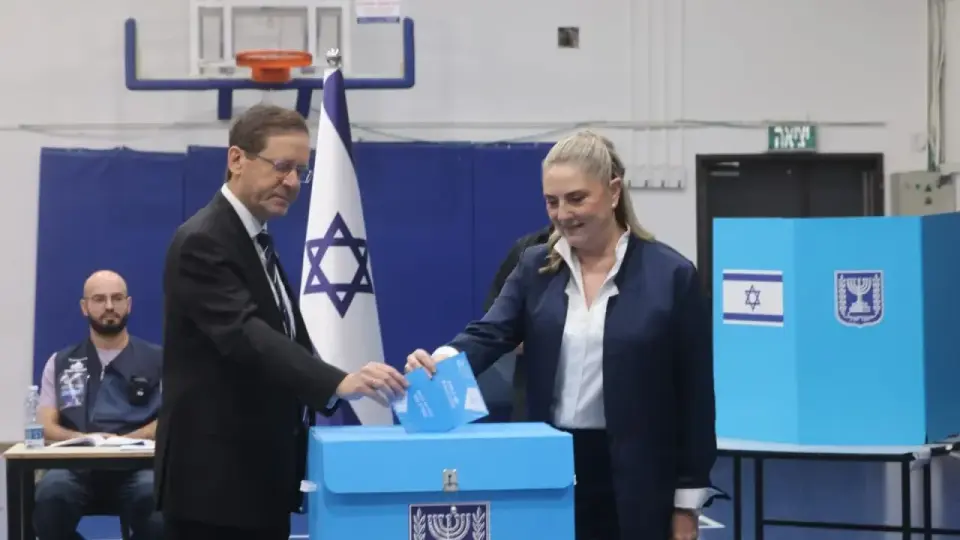
President Isaac Herzog will consult with Israeli parties in ascending order of size, starting with the smallest factions, to explore alternative coalition options before meeting the largest parties. This unusual move aims to prevent a fourth election amid a deadlock between Netanyahu and Eisenkot.
Key points
- Herzog begins consultations on Wednesday with Religious Zionism-Zehut, the smallest party, ending with Likud on Thursday evening.
- The order is designed to 'encourage thinking outside the box' and allow smaller parties to propose coalition arrangements first.
- Neither Likud nor Gadi Eisenkot's Yashar has a clear path to a 61-seat majority, creating a political deadlock.
- Herzog is not legally required to follow the majority of recommendations but must choose the candidate most likely to form a government.
- The process allows for a 28-day window to form a coalition, with a possible 14-day extension.
Background
Following the October 27 election, Israel faces a potential fourth election due to a stalemate. Previous coverage noted that Herzog rejected US pressure to favor Netanyahu, insisting on a decision based on domestic facts. The haredi parties are seen as key to breaking the deadlock, while opposition leaders have united behind Gadi Eisenkot.
How outlets are covering it
The Jerusalem Post emphasizes Herzog's strategic decision to consult smaller parties first to broaden the dialogue. The Washington Post highlights the public divide, with thousands in Tel Aviv urging Eisenkot to form a government with Arab parties, contrasting with Netanyahu's stance. The Atlantic notes the 'inconclusive' results, with Netanyahu's right-wing bloc holding 53 seats to Eisenkot's 48, and describes the liberal Tel Aviv as having been 'battered' by the outcome. Jewish Insider notes that Arab parties still do not meet Eisenkot's coalition conditions, adding to the complexity.
Why it matters
The outcome of these consultations will determine whether Israel avoids a fourth election or faces prolonged political instability. Herzog's decision to prioritize smaller parties could open new avenues for coalition-building that were previously overlooked, potentially altering the balance of power in the Knesset.
What to watch
Herzog will meet with Likud and Yashar last on Thursday evening. If no government is formed within 28 days, a second round of consultations may occur, or another Knesset member may be given the chance to assemble a coalition.
- Israel election: Isaac Herzog to begin coalition consultations with smallest parties The Jerusalem Post
- Two visions for Israel’s future collide amid uncertain election results The Washington Post
- Netanyahu and Eisenkot Seek Shot to Be Israel’s Premier The New York Times
- Arab parties still don’t meet Eisenkot’s coalition conditions Jewish Insider
- The Bursting of the Tel Aviv Bubble The Atlantic
Want the full story? Read the original reporting
Read on The Jerusalem Post