
Hidden Billions: How the U.S. Military Budget Exceeds Official Figures by Over $1 Trillion
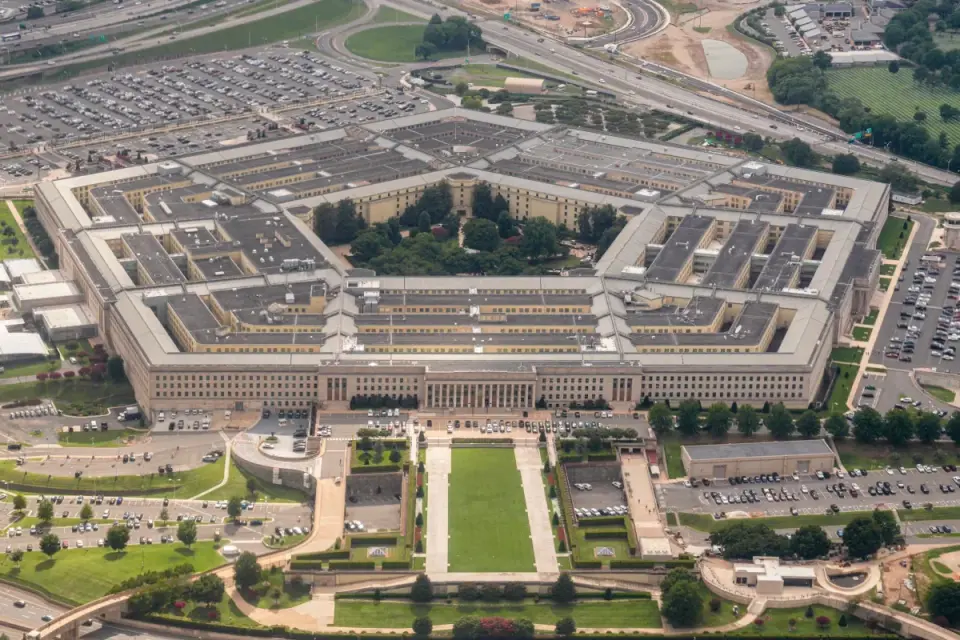
A new report by the Project on Government Oversight (POGO) argues that the true cost of U.S. military spending is significantly higher than official figures suggest. By consolidating funds hidden across 17 other government agencies, the total military budget for fiscal year 2025 reached approximately $1.72 trillion, compared to the $850 billion appropriated to the Department of Defense. President Trump’s proposed 2027 budget could push this total to $2.6 trillion, consuming 75% of discretionary spending. The report highlights that costs for nuclear weapons, veterans' benefits, and the Coast Guard are often excluded from standard Pentagon budget reports, obscuring the full scale of military expenditure from the public.
Key points
- The Project on Government Oversight (POGO) report estimates that total U.S. military spending in fiscal year 2025 was between $1.5 trillion and $1.8 trillion, with a consensus estimate of $1.72 trillion.
- This total is more than double the $850 billion officially appropriated to the Department of Defense, as funds are dispersed across at least 17 other agencies.
- Significant hidden costs include $33.5 billion for nuclear weapons in the Department of Energy budget and $393.3 billion for veterans' benefits in the Department of Veterans Affairs budget.
- President Trump’s proposed 2027 budget includes a $781 billion increase, which could raise the total military budget to $2.6 trillion, representing 75% of the discretionary budget.
- The Pentagon has hired conservative military veterans with large online followings, such as Kurt Schlichter, for undefined roles, though the cost and scope of this program remain unclear.
- Public opposition is growing, with nearly 60% of Americans viewing the official $1.5 trillion request as too high, and some Republicans expressing concern over rising national debt.
Background
Recent months have seen intense debate over military funding, particularly regarding the Iran conflict. In September 2026, Congress withheld dedicated funds for the Iran war, forcing the Pentagon to draw from base budgets, with the Congressional Budget Office estimating costs at $38.1 billion by August. Defense Secretary Pete Hegseth faced Republican backlash over his $1.5 trillion budget request, including an $88 billion supplemental for the Iran war, highlighting intraparty tensions over the war's conduct and funding. Additionally, the U.S. military was split on potential strikes against the Houthis in Yemen, reflecting strategic concerns about weapon stocks and troop safety amid broader Iran tensions.
Why it matters
The discrepancy between reported and actual military spending undermines public debate on fiscal priorities. If military spending consumes 75% of the discretionary budget, it limits resources for education, healthcare, and social safety nets. Accurate accounting is essential for informed democratic decision-making, especially as the national debt exceeds $40 trillion and interest payments alone could add $211.9 billion to military-related costs. Transparency in budgeting is critical to ensure that military expenditures do not overshadow other national needs.
What to watch
Congress is expected to debate Trump’s 2027 budget proposal, with potential cuts to the Pentagon budget proposed by some lawmakers. Advocates are calling for an annual 'True Total Military Budget' to consolidate all military spending in one place. Public pressure may force greater transparency, as Democrats and some Republicans resist the full budget request. The outcome will determine whether military spending continues to dominate the federal budget or if funds are reallocated to other sectors.
Want the full story? Read the original reporting
Read on The Intercept