
Historian Claims Autocrats Reject Trump’s Chaos Despite Mutual Admiration
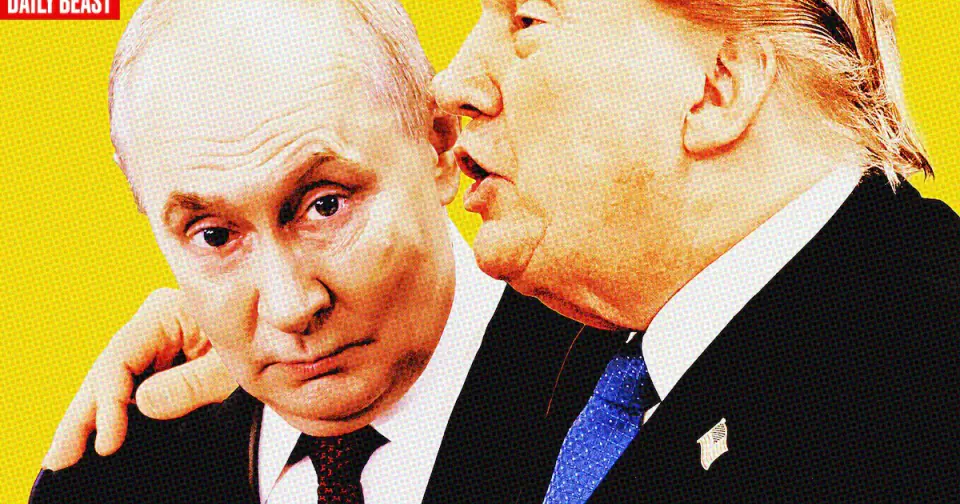
Historian Simon Sebag Montefiore argues that world leaders like Vladimir Putin and Xi Jinping are growing weary of President Trump’s erratic leadership style. While Trump admires their raw power, these autocrats prioritize stability and view his unpredictability as a threat to their own control. Montefiore suggests the relationship lacks genuine warmth, with dictators initially tolerating Trump’s chaos but now viewing it as an alarm in his second term.
Key points
- Simon Sebag Montefiore stated on The Daily Beast Podcast that Trump’s bond with autocrats is based on admiration for power rather than mutual affection.
- Montefiore noted that leaders like Putin and Xi Jinping hate disorder because it can overwhelm their own regimes, making them uneasy about Trump’s erratic decision-making.
- The historian claimed that Arab leaders initially found Trump’s pro-Israel stance useful but have since walked back that view, now seeking to survive his unpredictable twists.
- A trilateral meeting between Trump, Putin, and Xi Jinping took place in China last week, highlighting ongoing diplomatic interactions despite underlying tensions.
- The White House did not immediately respond to requests for comment regarding Montefiore’s assessment of the president’s international relationships.
Background
This analysis follows a period of significant domestic policy shifts, including a federal judge blocking strict Medicaid work requirements in late 2026, which highlighted the administration’s contentious approach to regulatory enforcement. The current diplomatic friction described by Montefiore adds a layer of international complexity to Trump’s second term, contrasting with previous periods where autocratic leaders were seen as more accommodating to his unpredictable style.
Why it matters
The erosion of trust between Trump and global autocrats could destabilize international alliances and complicate foreign policy negotiations. If major powers view the U.S. president as a source of disorder rather than a partner, it may lead to increased unpredictability in global affairs and potential isolation for the United States on the world stage.
What to watch
Diplomatic observers will likely monitor future interactions between the U.S. and autocratic regimes for signs of further friction or attempts to mitigate the impact of erratic U.S. policy. The outcome of ongoing negotiations and the stability of alliances in the coming months will depend on whether Trump’s leadership style continues to alienate these key partners.
Want the full story? Read the original reporting
Read on The Daily Beast