
HRW Report Accuses Modi Government of Systemic Democratic Erosion Amid Voter Roll Protests
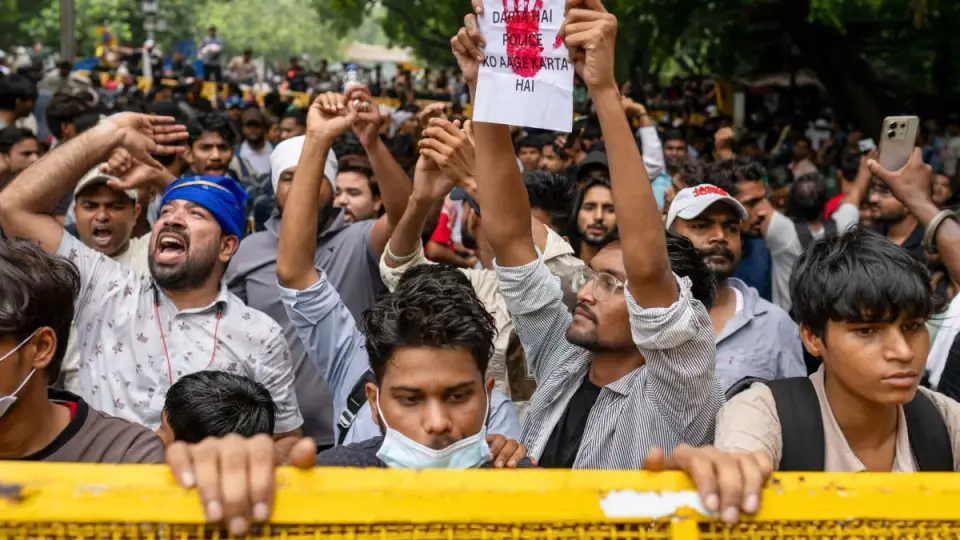
Human Rights Watch released a 95-page report accusing the Indian government of systematically weakening democratic institutions, weaponizing investigative agencies against critics, and manipulating voter lists to favor the ruling party. The report highlights the removal of over 130 million names from electoral rolls since June 2025, which sparked nationwide protests in October 2026. While the government faces allegations of authoritarian tactics and suppression of opposition, Foreign Policy analysis suggests that economic development and infrastructure improvements may still sustain support for Prime Minister Narendra Modi among key voter demographics, despite growing discontent in urban centers.
Key points
- Human Rights Watch (HRW) published a report titled 'So What’s This Democracy We’re Talking About?' alleging that the BJP-led government has hollowed out independent institutions like the Election Commission and judiciary to consolidate executive power.
- The report cites the Special Intensive Revision (SIR) of voter lists, which removed over 130 million names since June 2025, triggering massive protests in October 2026 and allegations of targeting Muslim voters to benefit the ruling party.
- HRW highlights the misuse of the Enforcement Directorate (ED), noting a 600% increase in cases against opposition politicians between 2015 and 2025, often dropped if the accused joined the BJP, a practice critics call a 'washing machine.'
- The report details the use of the Unlawful Activities (Prevention) Act (UAPA) to detain activists and journalists, with low conviction rates, and notes that the Supreme Court has faced criticism for inconsistent rulings on bail and fundamental rights.
- Foreign Policy analysis indicates that while protests in Delhi are intense, support for Modi remains strong in rural areas like Uttar Pradesh due to infrastructure development and economic growth, creating a divide between urban democratic concerns and rural economic priorities.
Background
This report follows a period of heightened political tension in India, including the recent diplomatic visit of Prince William and Kate Middleton to India in November 2026, which focused on environmental cooperation but occurred against a backdrop of domestic unrest. The current crisis over voter rolls is part of a broader pattern of institutional scrutiny that HRW has been monitoring, with previous archive coverage highlighting the diplomatic efforts to maintain international ties despite internal political polarization.
How outlets are covering it
Human Rights Watch and Maktoob present a critical view, emphasizing the systematic erosion of democratic norms, the weaponization of state agencies, and the disproportionate targeting of minorities and opposition figures. They highlight specific legal and procedural abuses, such as the misuse of 'money bills' and the suppression of dissent. In contrast, Foreign Policy offers a more nuanced political analysis, suggesting that while democratic institutions are under strain, the government's popularity is sustained by tangible economic improvements and infrastructure projects in key states like Uttar Pradesh. Foreign Policy notes that while urban protesters are vocal, rural voters may prioritize economic stability over democratic concerns, complicating the narrative of a unified opposition against the ruling party.
Why it matters
The HRW report underscores the risks to India's status as a global democracy and its influence in international forums. The manipulation of voter rolls and the suppression of dissent could undermine the legitimacy of future elections, including the 2029 general elections. International allies are urged to address these concerns in diplomatic and trade negotiations, as the erosion of rule of law may affect foreign investment and India's standing in global human rights discussions. The tension between economic development and democratic backsliding presents a critical challenge for India's political future and its relationships with democratic partners.
What to watch
The Supreme Court is currently hearing petitions regarding the legitimacy of the voter roll revision process, with potential rulings that could restore or maintain the removed names. The Election Commission has begun reversing some deletions following protests, but the full impact remains uncertain. The government is expected to continue its legislative agenda, including the delimitation bill, while opposition parties aim to build momentum for the 2029 elections. International observers will monitor the government's response to HRW's recommendations and the outcome of the judicial reviews on electoral integrity.
- India: Modi Rule Has Weakened Democratic Institutions Human Rights Watch
- India news: Nation deepens authoritarian slide under Modi — report DW.com
- “So What’s This Democracy We’re Talking About?”: Modi’s Authoritarian Playbook in India | HRW Human Rights Watch
- Is This the Beginning of the End for Modi? Foreign Policy
- Hollowed-out institutions, weaponised agencies, Muslims targeted: HRW documents India's decade of democratic decline under Modi Maktoob
Want the full story? Read the original reporting
Read on Human Rights Watch