
Hungary Unseals 60,000 Informant Records in 1956 Anniversary Reckoning
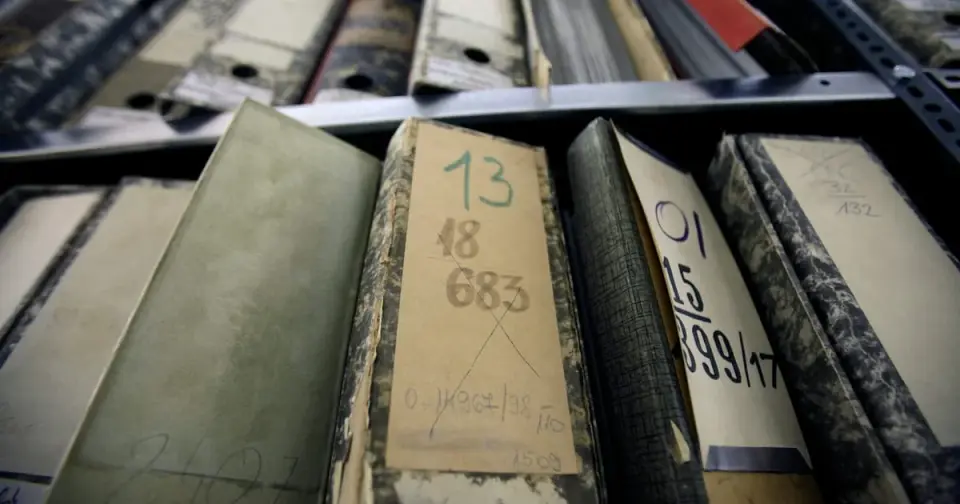
Hungarian Prime Minister Péter Magyar has released restricted communist-era secret police files, making the names of approximately 60,000 informants publicly searchable online. The release, timed to mark the 70th anniversary of the 1956 Soviet suppression of the Hungarian revolution, fulfills a key campaign promise but has sparked debate over the potential for family trauma and public misunderstanding of coerced cooperation.
Key points
- The government released 'Form 6' cards on November 4, 2026, revealing names, codenames, and basic personal data of around 60,000 individuals recruited by the communist-era state security apparatus.
- Prime Minister Péter Magyar framed the disclosure as a necessary step for national reconciliation and a fulfillment of a promise made by the 1989 anti-communist revolutionaries, urging citizens to handle the information with dignity.
- Critics, including historian Zsuzsanna Borvendég, argue the release is premature and incomplete, warning that many listed individuals were coerced or blackmailed rather than voluntary agents, which risks causing unnecessary anguish and public division.
- More detailed 'B-dossiers' regarding recruitment processes and the value of information provided are currently being digitized and will be released on February 25, 2027.
- Former Prime Minister Viktor Orbán denied rumors of his own cooperation with the secret police, stating in a Facebook post that he refused cooperation during mandatory military service and was instead a target of state surveillance.
Background
This release follows a period of significant political transition in Hungary, including the repeal of Orbán-era LGBTQ bans in October 2026 and Magyar’s landslide victory in April. The files had been a subject of debate for decades, with previous governments refusing full public access despite partial leaks and the ability for citizens to request their own records since 1998.
How outlets are covering it
While Politico emphasizes the fulfillment of Magyar’s campaign promise and the symbolic timing of the release, BBC highlights the controversy surrounding the move, noting that critics view the files as incomplete and potentially divisive. BBC also provides specific details on the nature of the 'Form 6' cards and the estimated 150,000 to 160,000 total informants in the country, contrasting with the 60,000 names currently released. Both outlets note the distinction between actual informants and 'persons of interest,' a point stressed by Magyar to mitigate public backlash.
Why it matters
The release marks a significant moment in Hungary’s post-communist reckoning, potentially reshaping public memory and family histories. It tests the limits of transparency in a country where historical records have long been used for political leverage, and it sets a precedent for how nations handle the legacy of authoritarian surveillance.
What to watch
The government plans to release the more detailed 'B-dossiers' by February 25, 2027, which will provide insights into the recruitment process and the specific activities of the informants. Public reaction and potential legal or social consequences for families affected by the disclosures will likely dominate the political discourse in the coming months.
- Hungary releases secret police files from communist era POLITICO.eu
- Secret police files released in Hungary, 37 years after fall of communism BBC
- Hungary opens communist-era secret police files for first time, identifying thousands of informants DW.com
- Hungary's former PM Orban says he rebuffed secret police recruitment Reuters
- In Hungary, Magyar Is Driving a Renewed Examination of the Past Bloomberg
Want the full story? Read the original reporting
Read on POLITICO.eu