
Hungary’s Secret Police File Release Sparks Scrutiny of Clergy and Public Figures
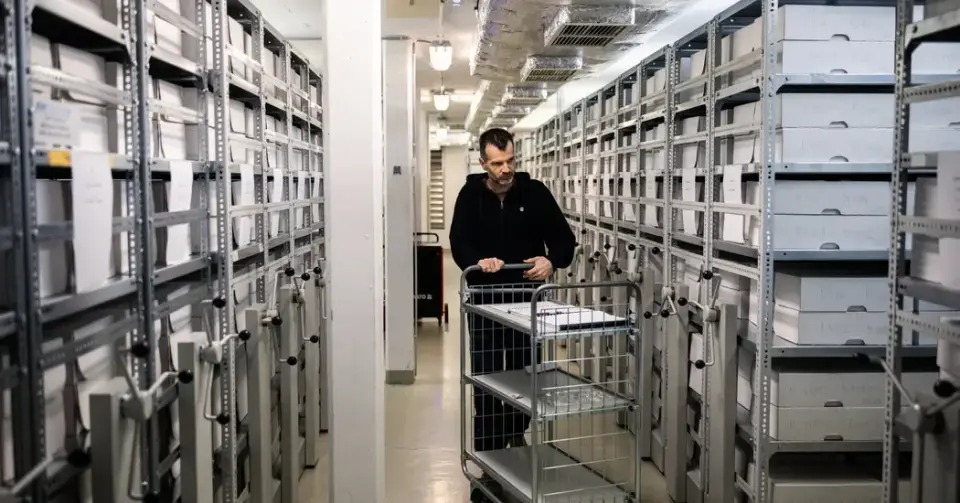
Hungary’s recent release of communist-era secret police records has identified approximately 60,000 individuals as former informants, triggering intense public scrutiny. The disclosure, which includes names, codenames, and recruitment details, has led to personal confrontations, such as that faced by retired Bishop Miklos Beer, who denies being an agent. While Prime Minister Péter Magyar framed the release as a step for national healing, critics argue the incomplete nature of the records risks causing unnecessary trauma and division. The initial batch of data was released on November 4, 2026, with more detailed recruitment records scheduled for February 2027.
Key points
- The release of files from Hungary’s disbanded communist-era secret police has identified around 60,000 people as registered informants between the end of World War II and 1990.
- Retired Roman Catholic Bishop Miklos Beer, 84, has been fielding inquiries about his alleged status as a secret police agent, a claim he denies.
- The initial release included 'Form 6' cards with names, codenames, dates of birth, addresses, and recruitment motives, timed to coincide with the 70th anniversary of the 1956 revolution.
- Prime Minister Péter Magyar framed the release as a necessary step for national healing and a fulfillment of his campaign promise, while critics argue the incomplete records risk public division.
- The Catholic Bishops' Conference of Hungary acknowledged that some named individuals were Church-affiliated but urged the faithful not to rush to judgment, noting that some were blackmailed or merely refused recruitment.
Background
Hungary opened the files on November 4, 2026, 36–37 years after its 1989 transition to democracy. Previous governments had contemplated but refused to open the records, with many being destroyed or hidden during the 1988–89 transition. An estimated 150,000 people were recruited as informants in Hungary between 1944 and 1990, but records for about two-thirds no longer exist. The initial release included basic identification data, with more detailed 'B-dossiers' scheduled for February 25, 2027.
Why it matters
The release of these files represents a significant moment of national reckoning in Hungary, forcing a public examination of the country’s communist past. It has the potential to reshape public trust in historical figures, including clergy and former political leaders, and to influence the political narrative surrounding the current government’s efforts to distance itself from the previous administration.
What to watch
A second batch of more detailed recruitment records, known as 'B-dossiers', is scheduled for release on February 25, 2027. This will provide further context on the circumstances of recruitment and the value of information provided by the informants.
Want the full story? Read the original reporting
Read on The New York Times