
Macron Threatens to Abandon EU Budget Talks if No Deal by December
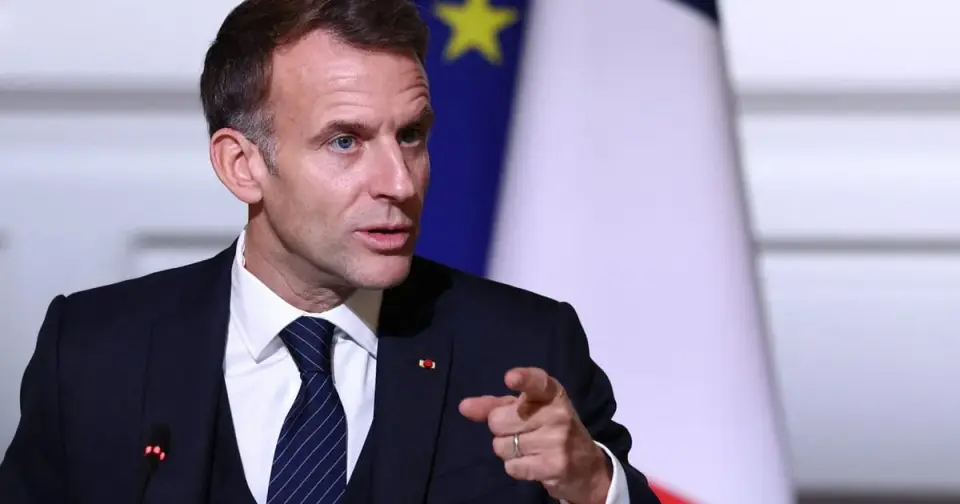
French President Emmanuel Macron has warned that France will cease negotiations on the EU’s 2028-2034 budget if member states fail to reach an agreement by the end of the year. This ultimatum intensifies pressure ahead of a special European Council summit scheduled for November 26-27 in Brussels. While leaders broadly agree on the need to support Ukraine, deep divisions remain over the size of the budget, the treatment of interest payments on existing loans, and the introduction of new EU-wide taxes. Macron’s office criticized European Council President António Costa’s latest proposal for failing to address French demands regarding own resources and agricultural subsidies, noting that Macron will not be in office to continue talks into 2027 due to constitutional term limits.
Key points
- Macron’s office stated that negotiations cannot continue beyond December if leaders do not agree at the European Council meeting on December 17-18, though a preliminary summit is set for November 26-27.
- Costa’s new compromise proposal suggests cutting €44 billion from the planned budget, which Macron’s office criticized for not sufficiently addressing French priorities, including subsidies for farmers and new own resources.
- Ukraine support is a point of consensus, with €100 billion earmarked in the budget proposal, but countries disagree on whether interest payments on existing loans should be included in this total or paid separately.
- Hungary, Czechia, and Slovakia have opted out of previous Ukraine loan mechanisms, and Bulgaria is expected to join them for the new €45 billion loan proposal, creating a fragmented approach to Kyiv’s financing.
- France faces domestic political pressure from the 2027 presidential election, with far-right candidate Marine Le Pen accusing the EU of rushing negotiations to exclude her from the process.
Background
The EU’s 2028-2034 budget negotiations have been stalled since October 2026, with leaders failing to agree on a framework amid fears that 2027 elections in France, Italy, and Poland would derail the process. Previous summits highlighted deep divisions between net contributors and spending nations, with Macron and German Chancellor Friedrich Merz facing domestic constraints that limit compromise. The current standoff follows a series of failed attempts to bridge the gap between the European Parliament and member states, with Costa scheduling special meetings to accelerate talks before the political landscape shifts.
How outlets are covering it
Politico emphasizes Macron’s ultimatum and the pressure on Costa, highlighting the French president’s focus on agricultural subsidies and own resources. The Kyiv Independent focuses on the technical disagreements over Ukraine’s financing, noting that while €100 billion is agreed upon, the treatment of interest payments and the participation of countries like Hungary and Czechia remain contentious. Euronews provides a broader overview of the budget battle, noting the clash between the European Parliament and member states. The Information Technology Industry Council (ITI) opposes the digital services taxes proposed in the budget, urging the EU to reject them in the next Multiannual Finance Framework, a stance not detailed in the other sources but relevant to the broader fiscal debate.
Why it matters
The outcome of these negotiations will determine the EU’s fiscal capacity for the next seven years, including funding for agriculture, research, and Ukraine support. A failure to reach a deal by December could disrupt funding for farmers and researchers in January 2028 and set a precedent for future budget cycles. The political dynamics, particularly in France, could influence the EU’s ability to act cohesively on security and economic issues, with potential ramifications for Ukraine’s long-term support.
What to watch
The European Council is scheduled to meet on November 26-27 in Brussels to discuss the budget and Ukraine financing. A further meeting is planned for December 17-18, which Macron has set as the deadline for an agreement. If no deal is reached by the end of the year, France may withdraw from negotiations, potentially stalling the process until after the 2027 French presidential election. The European Parliament is also expected to hold a plenary debate on the budget and own resources in late November, which could influence the negotiating positions of member states.
- Macron threatens to stop negotiating EU budget after December POLITICO.eu
- Central European leaders reject new EU budget proposal Reuters
- Days before key summit, EU countries want to help Ukraine, but can't agree on how The Kyiv Independent
- MEP Lucia Yar talks budget with Euronews' Europe Editor Maria Tadeo Euronews.com
- ITI Urges EU to Reject Digital Services Taxes in the Next Multiannual Finance Framework Information Technology Industry Council
Want the full story? Read the original reporting
Read on POLITICO.eu