
Iceland’s razor-thin EU referendum pits fishing sovereignty against economic stability
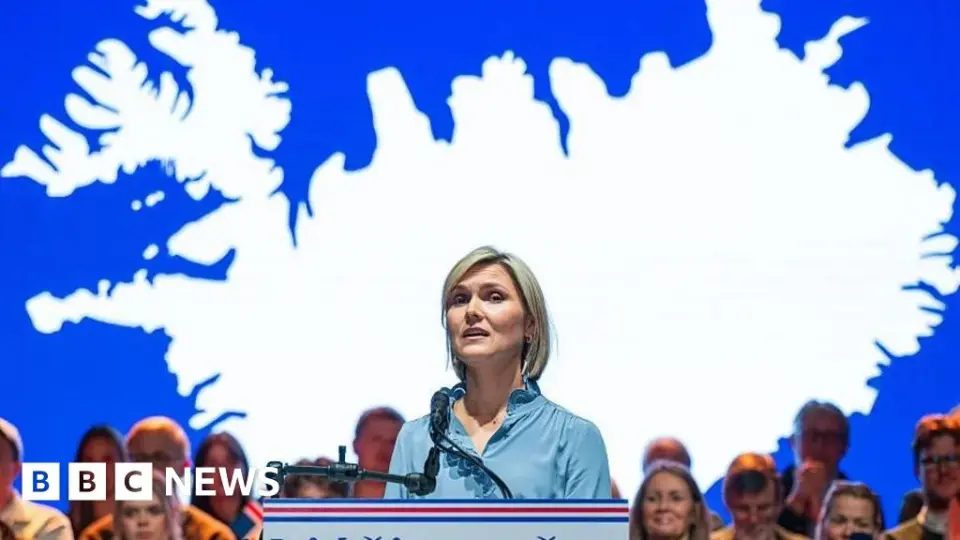
Icelanders are voting on whether to resume EU accession talks in a closely contested referendum. Supporters cite economic stability and security, while opponents fear losing control over vital fishing waters. A 'Yes' vote would trigger negotiations, potentially reshaping Nordic relations with Norway.
Key points
- Voters in Iceland are deciding whether to resume EU accession negotiations, with polls showing a near tie between 'Yes' and 'No' camps.
- The referendum was accelerated by geopolitical shifts, including Russia’s war in Ukraine, Arctic rivalries, and US President Donald Trump’s threats regarding Greenland.
- Opponents argue that EU membership would compromise sovereignty over fishing grounds, which account for nearly 40% of Iceland’s exports.
- Supporters contend that joining the EU would stabilize the volatile currency, curb high inflation, and strengthen security through a larger alliance.
- A 'Yes' vote would initiate talks with Brussels, but a second referendum would be required to approve any final membership deal.
Background
Iceland previously opened EU accession talks in 2010 following the 2008 financial crisis but suspended them in 2013. The country remains part of the European Economic Area (EEA) and Schengen zone. Recent archive coverage highlights that this referendum is part of a broader pattern of Nordic nations reassessing their relationship with Brussels amid shifting global security dynamics.
How outlets are covering it
BBC emphasizes the 'knife-edge' nature of the vote, highlighting the cultural and economic divide over fishing rights. France 24 focuses on the geopolitical urgency, noting that the referendum is not a final decision on membership but a step toward negotiations, with the government promising to retain sovereign control over fisheries. Euronews highlights the ripple effects on Norway, suggesting that an Icelandic 'Yes' vote could pressure Oslo to reconsider its own EEA status, as the EEA would shrink to just Norway and Liechtenstein. While BBC and France 24 focus on domestic Icelandic concerns, Euronews frames the event as a catalyst for broader Nordic political shifts.
Why it matters
The outcome will determine Iceland’s future relationship with the EU and potentially influence Norway’s stance on European integration. A 'Yes' vote could strengthen EU presence in the North Atlantic, while a 'No' vote would maintain the status quo but may leave Iceland more vulnerable to external geopolitical pressures.
What to watch
If 'Yes' wins, Iceland will begin accession negotiations with Brussels, with a second referendum expected to approve any final deal. If 'No' wins, talks will be shelved, and Iceland will remain in the EEA. Norway is expected to closely monitor the outcome, as it may force a reevaluation of its own EU relationship.
- Iceland holds knife-edge referendum on EU - and it could be decided on fish BBC
- Narrow majority of Icelanders back EU membership talks, poll shows ahead of referendum Reuters
- If Iceland joins the EU, where does that leave Norway? Euronews.com
- Iceland to vote on reopening EU membership talks in close referendum France 24
- Why Iceland Might Finally Join the EU Foreign Policy
Want the full story? Read the original reporting
Read on BBC