
India's 'Cockroach' Movement Targets Election Chief Amid Heavy Crackdown
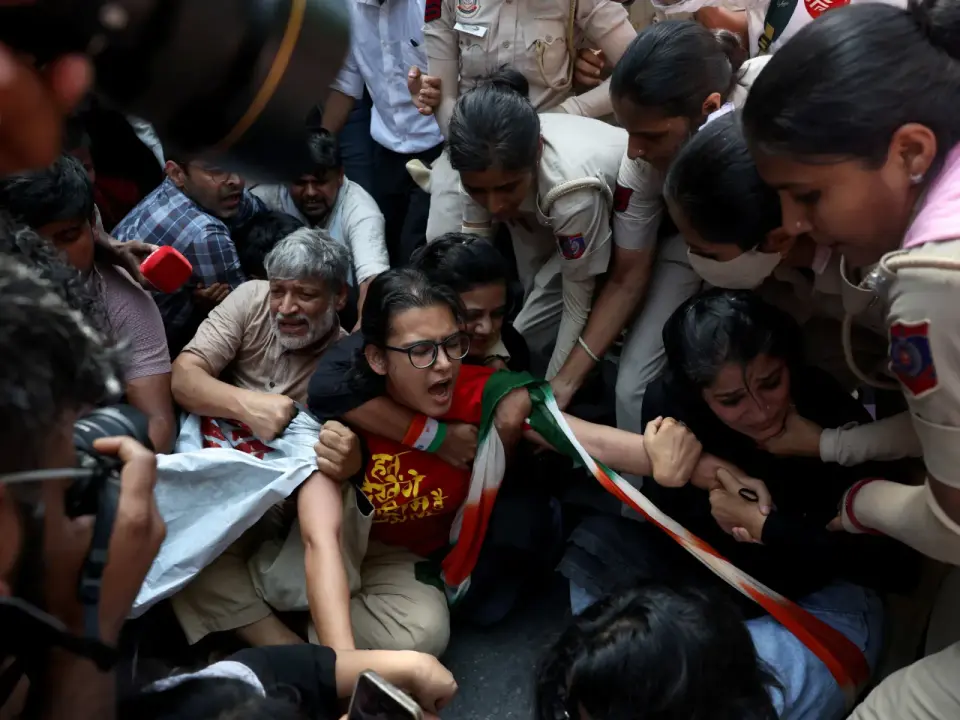
The youth-led 'Cockroach' movement has escalated protests in India, demanding the resignation of Chief Election Commissioner Gyanesh Kumar over controversial voter roll revisions. While the government maintains the changes remove ineligible voters, critics accuse the process of disenfranchising millions to favor the ruling party. Heavy police crackdowns in Delhi and Mumbai have intensified tensions, with opposition leaders calling the situation a threat to democratic legitimacy.
Key points
- Protests demanding the resignation of Chief Election Commissioner Gyanesh Kumar began in New Delhi on October 2, 2026, led by the Cockroach Janta Party (CJP) and opposition groups.
- The movement is driven by concerns over the Special Intensive Revision of electoral rolls, which has removed over 130 million names since June 2025, with critics alleging disproportionate targeting of minorities and the poor.
- Police in New Delhi detained hundreds of protesters, including AISA president Neha Bora, and suspended internet services, while Mumbai saw a large gathering at Shivaji Park despite police restrictions.
- CJP founder Abhijeet Dipke announced a new protest in Delhi on October 10 if Kumar does not resign, warning of a 'Jantar Mantar 2.0' mobilization.
- The Election Commission has not refuted reports of internal divisions regarding the voter database changes, though it stated it is addressing concerns raised by other commissioners.
Background
This escalation follows the summer's 'Cockroach' movement, which successfully forced the resignation of Education Minister Dharmendra Pradhan after a series of youth-led protests in July 2026. The current movement leverages the momentum from that success, with leaders now described as more experienced organizers. The protests also occur against the backdrop of the 2026 Indian general election cycle, where the integrity of the voter roll is a central point of contention between the ruling Bharatiya Janata Party (BJP) and opposition parties.
How outlets are covering it
Al Jazeera emphasizes the political significance of Kumar's potential ouster, noting his role in controversial decisions like the abrogation of Kashmir's special status and the Ram Temple construction, and highlights the government's heavy-handed crackdown as a sign of its vulnerability. The Times of India provides a more granular view of the on-ground situation, detailing specific police actions, legal challenges filed by the Indian Youth Congress, and the government's non-confrontational approach in Mumbai to prevent the protest from escalating, contrasting with the BJP's vocal opposition to the movement. While Al Jazeera focuses on the national political implications, The Times of India highlights the local dynamics and legal battles in both Delhi and Mumbai.
Why it matters
The protests challenge the legitimacy of India's electoral process, which is central to the country's democratic identity. If the movement succeeds in forcing Kumar's resignation, it would be a significant blow to the Modi government, which has relied on him for key policy implementations. Conversely, the government's refusal to yield could lead to further polarization and unrest, potentially undermining public trust in the upcoming elections and the broader democratic system.
What to watch
The CJP has scheduled a new protest in Delhi on October 10 if Kumar does not resign. The Indian Youth Congress has filed a petition in the Delhi High Court challenging the police's denial of permission for a protest. The National Human Rights Commission has issued a notice regarding the alleged use of minors in the Mumbai protest. The government is expected to maintain a heavy security presence in New Delhi to prevent large gatherings, while opposition parties continue to mobilize support across the country.
- Can India’s ‘cockroach’ movement oust Modi’s election chief? aljazeera.com
- India’s ousted voters trigger nationwide youth revolt against election chief NPR
- India Faces Fresh Protests, This Time Over Voter Rolls The New York Times
- Protest against CEC Gyanesh Kumar LIVE: AISA activists return to Jantar Mantar a day after mass detentions The Hindu
- Jantar Mantar Protest Live Updates: Protesters clash with Delhi Police, several detained The Times of India
Want the full story? Read the original reporting
Read on aljazeera.com