
Israel Election Deadlock: Netanyahu Bloc Falls Short as Arab Parties Surge
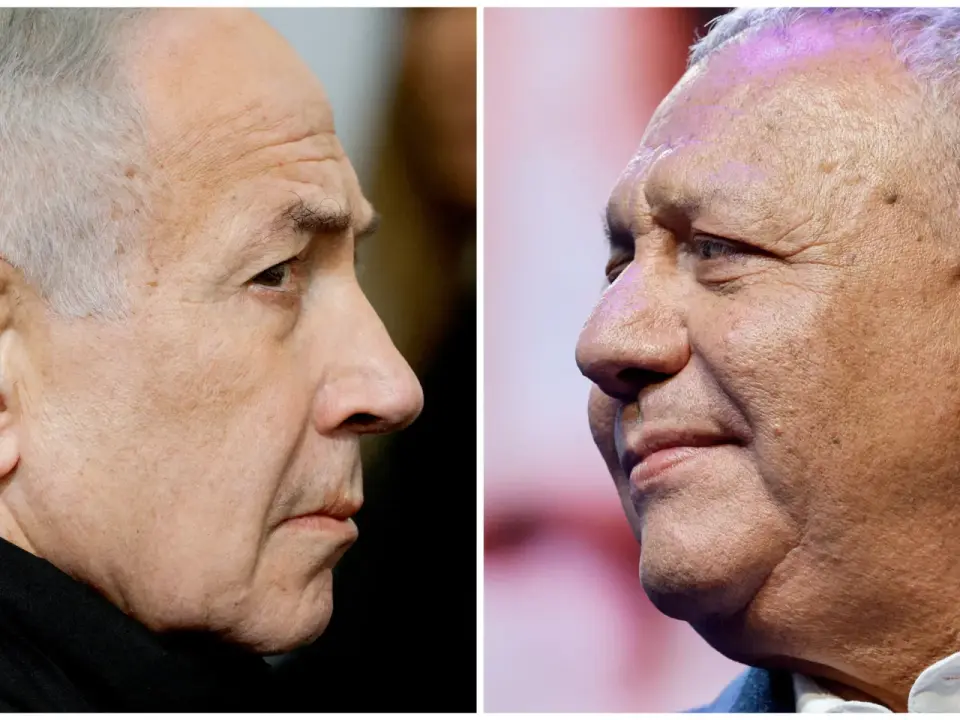
Israeli vote counting is complete, revealing a fragmented parliament where neither Prime Minister Benjamin Netanyahu’s bloc nor the opposition led by Gadi Eisenkot secured the 61 seats required for a majority. Netanyahu’s right-wing coalition holds 53 seats, while the opposition bloc has 48. Arab-led parties won a record 19 seats, potentially giving the opposition a parliamentary majority of 67. This deadlock forces complex coalition negotiations, with the central question being whether opposition leaders will ally with Arab parties to form a government or replace the Knesset speaker. Netanyahu’s camp is attempting to delegitimize the results by alleging foreign interference, specifically from Qatar, to block such alliances.
Key points
- Netanyahu’s bloc holds 53 seats; the opposition bloc holds 48 seats; Arab parties hold 19 seats.
- Neither side has the 61 seats needed to form a government independently.
- Arab voter turnout surged to approximately 80%, up from 53.2% in 2022.
- Likud alleges foreign interference from Qatar to delegitimize Arab party support.
- President Isaac Herzog is tasked with determining which candidate can form a coalition.
Background
This election follows the October 7, 2023 attacks and the subsequent war in Gaza, serving as a referendum on Netanyahu’s leadership. Previous polls indicated a likely stalemate, with Arab voter turnout seen as the decisive factor. The current deadlock mirrors past political fragmentation in Israel, where coalition formation often requires bridging deep ideological divides.
How outlets are covering it
Al Jazeera emphasizes the political deadlock and the difficulty Eisenkot faces in forming a coalition without Arab support, noting that Netanyahu is using state institutions to delegitimize the results. CNN highlights Netanyahu’s survival tactics, suggesting he may use security crises or foreign interference claims to block a new government. Fox News focuses on the surge in Arab voter turnout and the specific allegations of Qatari funding, noting that Qatar has denied these claims. The New York Times frames the situation as a historic deadlock requiring complex negotiations, with experts debating the likelihood of a unity government versus new elections.
Why it matters
The outcome determines the future direction of Israeli governance, including policies on Gaza, security, and domestic politics. The deadlock could lead to a unity government, a new election, or a minority government, each with significant implications for Israel’s stability and international relations. The role of Arab parties in the coalition process is a critical factor in shaping the next government's composition and policies.
What to watch
The Central Elections Committee will certify final results by Wednesday. President Isaac Herzog will consult with party leaders to determine which candidate can form a coalition. If no government is formed within 28 days, the mandate may pass to another candidate, or new elections could be called. Netanyahu will remain caretaker prime minister until a new government is formed.
- Israel election result shows no overall majority as vote count complete Al Jazeera
- Netanyahu is the ultimate survivor. But can he survive this time? CNN
- Opinion | What’s Next for Israel? Four Writers Decode the Election Results. The New York Times
- Netanyahu, at risk of losing power, steps up attacks on Israel's Arab parties Reuters
- Netanyahu falls short of majority as Israel faces three possible paths to a new government Fox News
Want the full story? Read the original reporting
Read on Al Jazeera