
Herzog Pardons Elor Azaria, Clearing Record of Soldier Who Shot Wounded Palestinian in 2016
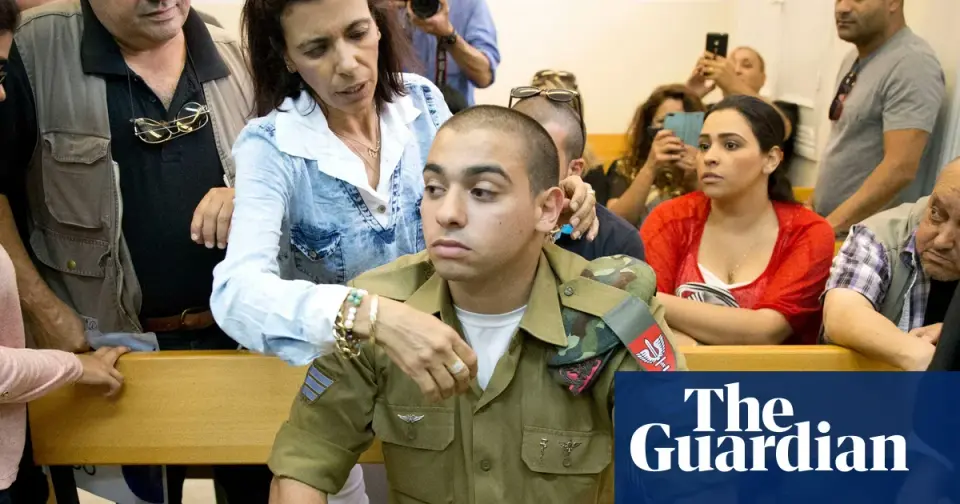
Israeli President Isaac Herzog has granted a full pardon to Elor Azaria, the combat medic convicted in 2017 for shooting a wounded Palestinian attacker in Hebron. The decision, recommended by Defense Minister Israel Katz, erases Azaria’s criminal record and was framed as a humanitarian gesture ahead of Yom Kippur. While Katz and hard-line officials praised the move, the military chief of staff opposed it, and human rights groups previously criticized the original sentence as too lenient.
Key points
- President Isaac Herzog pardoned Elor Azaria, clearing his 2017 manslaughter conviction for killing Abdel Fattah al-Sharif in Hebron.
- Defense Minister Israel Katz recommended the pardon, calling it a 'right, humane and fitting decision' based on the complexity of the operational mission.
- The pardon was cited as being influenced by the passage of time and the approaching Yom Kippur holiday, with Herzog’s office noting Azaria’s expressed sorrow.
- Military Chief of Staff Lt Gen Eyal Zamir opposed the pardon in a letter to the defense minister, according to Israeli media.
- National Security Minister Itamar Ben-Gvir expressed strong support, stating that canceling the record of someone who killed a terrorist made him 'emotional and very happy'.
Background
This case remains a polarizing symbol in Israeli society, reflecting deep divisions over military conduct and security policy. The original 2017 conviction was a rare instance of a military court ruling against a soldier for deadly action in the field, leading to public protests and the resignation of then-Defense Minister Moshe Ya’alon. Recent domestic tensions have been heightened by controversial government proposals regarding Gaza’s population and international criticism of Israeli military actions, as seen in the backlash over the documentary NAZA and debates over forced displacement plans.
Why it matters
The pardon signals a shift in the Israeli government’s stance on military accountability, aligning with hard-line political views that prioritize operational discretion over judicial consequences. It underscores the ongoing political influence of security ministers over military justice and highlights the continued societal divide over how to handle incidents involving Palestinian attackers.
What to watch
The pardon is final, but it may reignite public debate over military justice and the role of political leaders in pardoning soldiers. Opposition figures and human rights groups may challenge the decision in legal or political forums, while the military’s internal stance remains opposed to such clemency.
Want the full story? Read the original reporting
Read on The Guardian