
Saudi Coalition Targets Yemen Oil Infrastructure in Retaliation for Riyadh Airport Attack
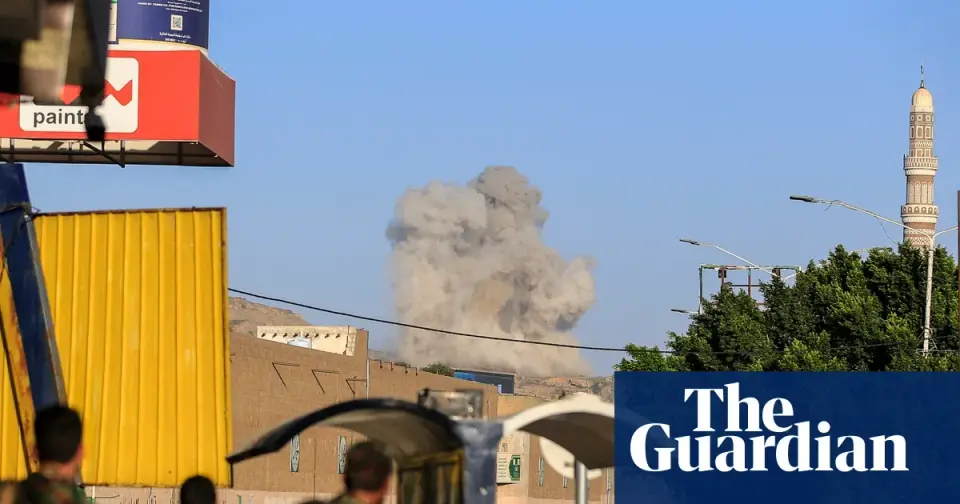
Saudi Arabia launched extensive airstrikes on Houthi-controlled oil depots in Sana'a and Hodeidah, marking a significant escalation in the regional conflict. The strikes, which targeted the Central Sabaha Station and energy terminals, were a direct response to a deadly Houthi attack on King Khalid International Airport in Riyadh that killed 13 people. While Saudi forces maintain air dominance, Houthi leaders have threatened to target Aramco facilities and other Saudi infrastructure in retaliation. The conflict is further complicated by internal divisions among anti-Houthi forces, including the Southern Transitional Council, and rising humanitarian concerns in southern Yemen.
Key points
- Saudi-led coalition forces struck the Central Sabaha Station oil depot in Sana'a and energy terminals in Hodeidah and Dhamar, aiming to neutralize Houthi military capabilities.
- The strikes followed a Houthi attack on King Khalid International Airport in Riyadh on Saturday, which resulted in 13 deaths and 300 injuries, leaving the airport closed until at least Saturday.
- Houthi spokespersons warned that Aramco Petroleum facilities in Riyadh are 'legitimate targets' and promised a 'harsh' response to the Saudi strikes.
- Saudi Arabia maintains air dominance over Yemen, but analysts note that Houthi drones are becoming smaller and harder to detect, posing a growing threat to Saudi security.
- The conflict is complicated by internal divisions, as the Southern Transitional Council (STC) takes a more prominent role against the Houthis while pursuing its own secessionist agenda.
- Humanitarian conditions in Taiz are worsening, with reports of civilian casualties and shortages of medical supplies as Houthi forces advance toward the city.
Background
This escalation follows a series of intense exchanges in September, where Saudi Arabia conducted dozens of strikes in response to Houthi seizures of key ports along the Bab el-Mandeb Strait. The current phase of the conflict began after Houthi forces captured strategic areas near the Red Sea, threatening global oil shipping routes. Previous reports indicated that pro-government forces had reclaimed significant portions of the coastline, but the Houthis retained the ability to launch deadly missile attacks on Saudi cities, including a recent strike on Riyadh's airport that killed 12 people. The situation remains fragmented by internal divisions among anti-Houthi factions, particularly between Saudi-backed forces and the UAE-backed Southern Transitional Council.
How outlets are covering it
The Guardian emphasizes the strategic nature of the Saudi strikes, highlighting the targeting of energy infrastructure to immobilize the Houthi army and the asymmetry in military capabilities, with Saudi air dominance versus Houthi drone tactics. Al Jazeera focuses on the immediate retaliation, noting Houthi warnings of a 'harsh' response and the targeting of Aramco facilities, while also highlighting the humanitarian impact in Taiz, where at least five civilians, including a child, were killed in Houthi shelling. AP News provides a broader regional context, mentioning the potential targeting of ship-to-ship oil transfers and the diplomatic efforts by Qatar and Saudi Arabia to de-escalate tensions. The outlets differ in their emphasis: The Guardian and AP News focus on the strategic and diplomatic dimensions, while Al Jazeera highlights the immediate human cost and the threat of further retaliation.
Why it matters
The escalation in the Saudi-Yemeni conflict threatens to disrupt global oil supplies and maritime traffic in the Red Sea, a critical route for Gulf oil exports. The targeting of energy infrastructure by both sides increases the risk of a wider regional conflict, potentially involving Iran and other Middle Eastern powers. The humanitarian crisis in Yemen, with rising civilian casualties and shortages of medical supplies, underscores the severe impact of the conflict on the local population. Additionally, the internal divisions among anti-Houthi forces, particularly the role of the Southern Transitional Council, complicate efforts to achieve a lasting peace and could lead to further fragmentation in southern Yemen.
What to watch
The situation is likely to remain volatile, with the Houthis expected to continue their missile and drone attacks on Saudi infrastructure in retaliation for the strikes on their oil depots. Saudi Arabia may further escalate its military operations to neutralize Houthi capabilities, while diplomatic efforts by Qatar and other Gulf states may aim to de-escalate tensions. The internal dynamics among anti-Houthi forces, particularly the role of the Southern Transitional Council, will be crucial in determining the future of the conflict. Humanitarian conditions in Yemen are expected to worsen, with potential shortages of medical supplies and increased displacement of civilians.
- Saudi Arabia strikes strategic oil depots near Yemen capital The Guardian
- Iran war live: Blasts heard in Sanaa as Houthis threaten ‘harsh’ response Al Jazeera
- Saudis tell Sanaa residents around oil facility to evacuate, and other Middle East developments AP News
- Houthis and Saudis strike each other in latest escalation DW.com
- Saudi Arabia and Yemen’s Houthis Trade Threats to Hit Oil Facilities The New York Times
Want the full story? Read the original reporting
Read on The Guardian