
Israel’s 2026 Election Deadlock Leaves Netanyahu in Charge While Eisenkot Struggles to Form a Coalition
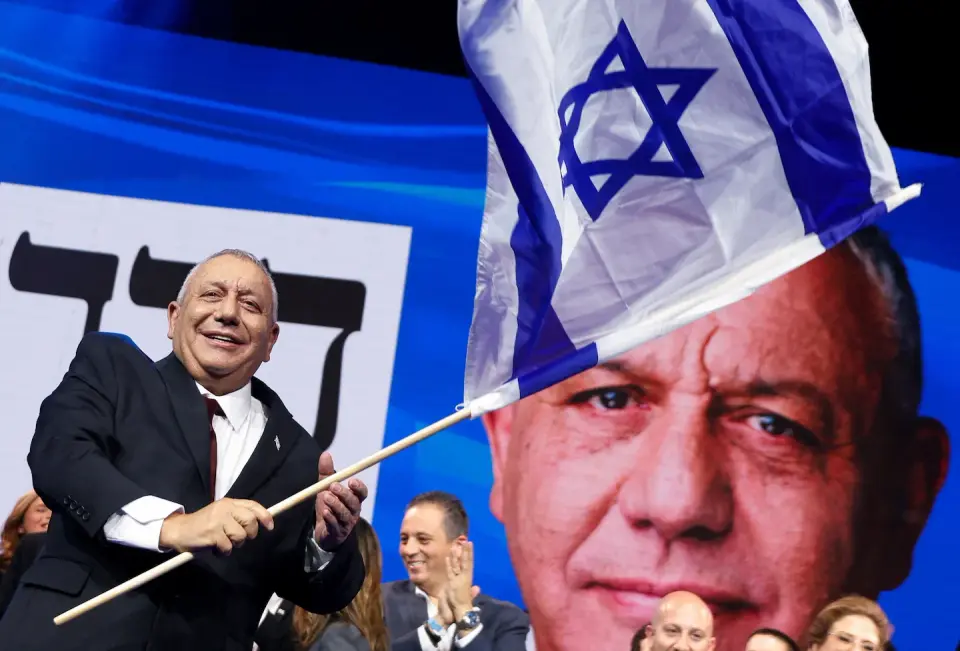
Israel’s October 27, 2026, election resulted in a fragmented parliament with no clear winner. Benjamin Netanyahu’s right-wing bloc holds 53 seats, falling eight short of the 61 needed for a majority. The opposition bloc led by Gadi Eisenkot secured 48 seats, while Arab-led parties achieved a record 19 seats. President Isaac Herzog must now decide who to task with forming a government, a process that could lead to a new coalition, a unity government, or a seventh election in eight years. Netanyahu remains caretaker prime minister until an alternative government is formed, giving him a strategic advantage in the negotiations.
Key points
- Netanyahu’s Likud-led bloc won 53 seats, including 27 for Likud, 7 for Otzma Yehudit, 7 for United Torah Judaism, 6 for Shas, and 6 for Religious Zionism and Zehut.
- Eisenkot’s Yashar party won 21 seats, leading an opposition bloc of 48 seats that includes B’Yachad, the Democrats, and Yisrael Beytenu.
- Arab-led parties, Raam and the Joint List, hold a combined 19 seats, giving them the potential to support a minority government or block a confidence vote.
- President Isaac Herzog will consult with party leaders and decide who to task with forming a government, with a 28-day deadline that can be extended by 14 days.
- If no government is formed, Israel faces a repeat election, potentially the seventh in eight years, with Netanyahu remaining caretaker prime minister until then.
Background
Israel has experienced six general elections in the past eight years, reflecting deep political fragmentation. The 2026 election follows years of protests against Netanyahu’s government, particularly in Tel Aviv, and heightened tensions over security policy and judicial reforms. The Dahiya Doctrine, a military strategy associated with former Northern Command head Gadi Eisenkot, has become a focal point of debate, with critics arguing it represents disproportionate force against civilian areas. The current deadlock echoes previous coalition failures, including the 2021 government that collapsed after less than a year due to disagreements over Arab party participation.
How outlets are covering it
The Washington Post emphasizes Eisenkot’s military background and the Dahiya Doctrine, framing his challenge as a strategic and ethical one. CNN focuses on the mathematical and procedural hurdles, highlighting the 12-week window for coalition formation and the risk of a repeat election. The Atlantic underscores the cultural and political divide, noting that Tel Aviv’s liberal base expected a decisive victory but faced an inconclusive result. The Jerusalem Post provides a detailed analysis of the coalition arithmetic, stressing that while 67 MKs oppose Netanyahu, they have not agreed to form a government together. All sources agree that Netanyahu’s incumbency gives him a significant advantage, as he can remain in power until an alternative government is formed, while Eisenkot must navigate deep divisions within his own bloc, particularly over cooperation with Arab parties.
Why it matters
The outcome of these negotiations will determine Israel’s political stability, security policy, and international relations for the next several years. A failure to form a government could lead to a seventh election in eight years, further eroding public confidence in the democratic process. The role of Arab parties in the coalition calculus is particularly significant, as it could reshape Israel’s domestic politics and its relationship with the Palestinian population. Additionally, the potential involvement of the United States, particularly under President Donald Trump, could influence the formation of a unity government, especially if a diplomatic or security initiative requires broad support. The deadlock also raises questions about the future of the Dahiya Doctrine and Israel’s military strategy, as Eisenkot’s political rise challenges the status quo of Netanyahu’s right-wing coalition.
What to watch
President Isaac Herzog will hold consultations with party leaders in the coming weeks to determine who to task with forming a government. If Eisenkot is tasked, he will have 28 days to negotiate a coalition, with a possible 14-day extension. If he fails, the mandate may pass to Netanyahu, who will have 28 days to form a government. If both fail, a majority of Knesset members could request a third candidate, who would have 14 days to build a coalition. If no government is formed, Israel will face a repeat election, potentially in spring 2027. In the meantime, Netanyahu will remain caretaker prime minister, and Eisenkot may attempt to constrain his government through parliamentary votes, such as replacing the Knesset speaker or advancing legislation opposed by the outgoing coalition.
- Gadi Eisenkot is the bereaved general trying to outmaneuver Netanyahu The Washington Post
- Israel election results: How to break the deadlock CNN
- The Bursting of the Tel Aviv Bubble The Atlantic
- ‘We’ve Seen This Movie’: Four Writers on What’s Next for Israel The New York Times
- Benjamin Netanyahu vs Gadi Eisenkot: Israel's coalition deadlock explained The Jerusalem Post
Want the full story? Read the original reporting
Read on The Washington Post