
Israel’s new Knesset seizes legislative control as opposition targets Netanyahu’s ouster
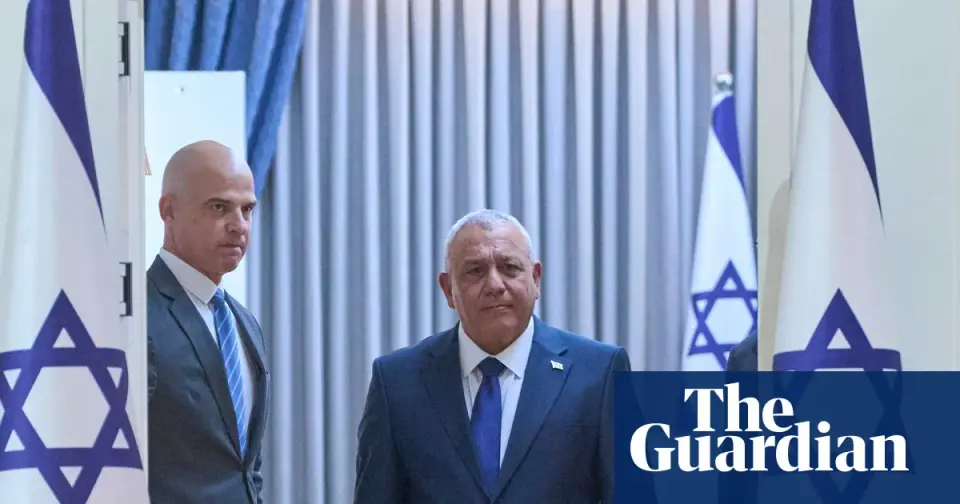
The newly sworn-in Israeli Knesset has moved to strip Prime Minister Benjamin Netanyahu of legislative control. Opposition parties have secured the Arrangements Committee and scheduled a vote to replace the current speaker, aiming to pass key legislation before a new government is formed. While coalition talks remain stalled, the opposition is leveraging its parliamentary majority to advance its agenda.
Key points
- The 26th Knesset was sworn in on Tuesday, with opposition parties holding 67 of 120 seats.
- The opposition bloc voted 63-50 to install Roy Folkman as chair of the powerful Arrangements Committee.
- A vote to replace current speaker Amir Ohana with Matan Kahana is scheduled for next Tuesday.
- The opposition aims to pass legislation repealing judicial reforms and establishing an October 7 inquiry.
- Coalition talks remain stalled due to disagreements over ultra-Orthodox conscription and Arab party inclusion.
Background
Following the October 2026 election, Israel faced a parliamentary deadlock where neither the ruling coalition nor the opposition secured the 61 seats needed for a majority. Arab-led parties, winning a record 19 seats, emerged as pivotal kingmakers. President Isaac Herzog granted Gadi Eisenkot the mandate to form a government, but coalition negotiations have been complicated by internal divisions over whether to include Arab or ultra-Orthodox parties.
How outlets are covering it
The Guardian emphasizes the strategic importance of replacing the Knesset speaker to prevent Netanyahu from delaying the formation of a new government. The Times of Israel highlights the chaotic proceedings in the Arrangements Committee, noting that Likud members disrupted the session and accused Arab lawmakers of supporting terrorism. The Jerusalem Post focuses on how the choice of Matan Kahana as speaker may complicate coalition talks with ultra-Orthodox parties, given his past stance on conscription and religious services. Ynetnews notes that current speaker Amir Ohana has agreed to honor the parliamentary majority, despite his opposition to the move, citing a 2020 High Court ruling that prevents a speaker from blocking a vote demanded by a majority.
Why it matters
This shift in parliamentary control could allow the opposition to pass significant legislation, including the repeal of judicial reforms and the establishment of a state commission of inquiry into the October 7 attacks, even before a new government is formed. It also highlights the deep divisions within the opposition bloc, which may hinder the formation of a stable government and potentially lead to a second election if coalition talks fail.
What to watch
The Knesset will vote on the replacement of speaker Amir Ohana with Matan Kahana next Tuesday. Coalition talks will continue, with Eisenkot attempting to broker a government that includes either Arab or ultra-Orthodox parties. If no government is formed, the mandate will pass to other leaders, and if they fail, Israel may face a second election.
- New Knesset speaker could be key to ousting Netanyahu as Israel’s PM The Guardian
- After fiery debate, Knesset sets up temporary committees amid coalition-building quagmire The Times of Israel
- Day 1 of Israel's New Knesset: Lawmakers Begin Legislating, Continue Clashing Haaretz
- Eisenkot takes control of Knesset, but speaker pick may complicate government formation - analysis The Jerusalem Post
- 67 MKs move to replace Knesset speaker Ohana, vote set for next Tuesday Ynetnews
Want the full story? Read the original reporting
Read on The Guardian