
Israel’s new parliament convenes as Eisenkot races to form government amid coalition deadlock
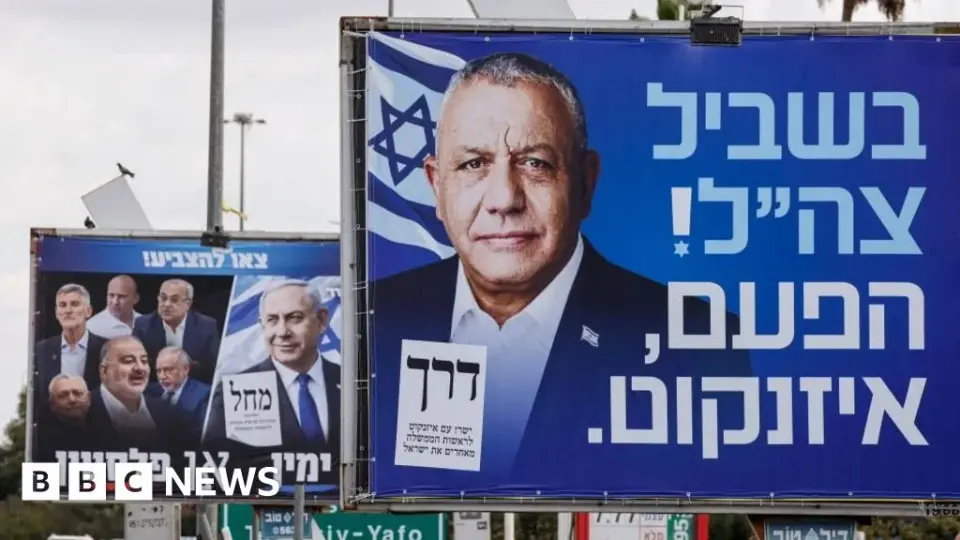
Israel’s 120-seat Knesset is set to be sworn in on Tuesday, marking the start of a critical 28-day window for opposition leader Gadi Eisenkot to form a government. Although Eisenkot secured 67 endorsements, his core bloc holds only 48 seats, leaving him short of a majority. He faces significant hurdles, including internal opposition to partnering with Arab-led parties and disputes over military conscription for ultra-Orthodox groups. Prime Minister Benjamin Netanyahu remains caretaker, urging a unity government while warning against alliances with Arab parties. The new parliament includes a record number of Arab-led seats and nearly half new members, highlighting a shift in the political landscape.
Key points
- The Knesset will be sworn in on Tuesday, with the opposition bloc holding 67 seats but lacking a majority of 61.
- Gadi Eisenkot has 28 days, potentially extendable by 14, to form a government; failure could lead to new elections or a Netanyahu-led unity government.
- Arab-led parties won a record 19 seats, potentially holding the balance of power, but many Jewish opposition parties oppose coalition participation.
- Eisenkot’s four principles for coalition partners include mandatory military service and recognizing Hamas as a terrorist organization, which may alienate ultra-Orthodox and Arab parties.
- Netanyahu remains caretaker PM, calling for a unity government while opposing alliances with Arab parties, which he refers to as 'Islamists'.
Background
The October 27 election resulted in a political impasse, with neither Netanyahu’s bloc (53 seats) nor Eisenkot’s bloc (48 seats) securing a majority. Previous coverage highlighted Eisenkot’s mandate from President Isaac Herzog and the unprecedented support from Arab-led parties, which broke decades of precedent. The current situation reflects ongoing tensions over coalition formation, with Eisenkot’s 'national emergency government' proposal aiming to bridge ideological divides to oust Netanyahu, who has faced pressure from U.S. President Donald Trump over military aid and midterm election outcomes.
How outlets are covering it
BBC emphasizes the 'uphill struggle' for Eisenkot, noting the 28-day deadline and the potential for a minority government with Arab support. The Guardian highlights the strategic importance of replacing the Knesset speaker, Matan Kahana, to gain legislative control, and warns of potential violent disruptions by right-wing activists. The New York Times focuses on the 'festive' yet fraught nature of the swearing-in ceremony, underscoring the opposition’s majority and leverage despite the lack of a formed government. All sources agree on the deadlock but differ in emphasis: BBC on coalition hurdles, Guardian on institutional power shifts, and NYT on the procedural and symbolic aspects of the new parliament.
Why it matters
The outcome of these coalition talks will determine whether Israel can end its political limbo or face new elections. A successful government could stabilize the country and address key issues like military conscription and Arab representation, while failure may prolong Netanyahu’s caretaker role or lead to further fragmentation. The record turnout among Arab voters and the potential for a minority government highlight shifting dynamics in Israeli politics, with implications for regional stability and U.S.-Israel relations.
What to watch
Eisenkot must negotiate with parties within 28 days, potentially extending by 14, to form a coalition. If he fails, the mandate may pass to Netanyahu or other leaders, or new elections could be called. The Knesset’s first session will focus on replacing the speaker and setting the legislative agenda, with potential disputes over military conscription and Arab party participation. Netanyahu will continue to campaign for a unity government, while opposition parties seek to leverage their majority to unseat him.
- Israel's new parliament to be sworn in as leaders compete to form government BBC
- New Knesset speaker could be key to ousting Netanyahu as Israel’s PM The Guardian
- Israel’s New Parliament Gathers With No Government in Sight The New York Times
- As 26th Knesset set to be sworn in, Eisenkot-led bloc agrees on Matan Kahana as next speaker The Times of Israel
- Eisenkot-led bloc taps Yashar's Kahana for Knesset speaker, Liberman to head key defense panel The Jerusalem Post
Want the full story? Read the original reporting
Read on BBC