
Israel’s Oct. 27 Election Ignores Peace Amidst Deepening Trauma and Diplomatic Isolation
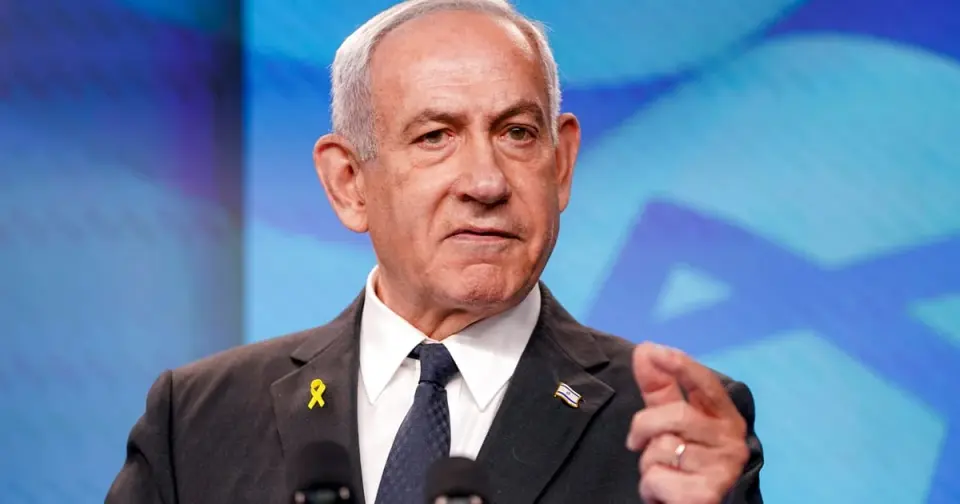
Israel’s October 27 parliamentary election is defined by a conspicuous absence of debate regarding peace or a two-state solution. While the war in Gaza and the Oct. 7, 2023 attacks dominate the backdrop, both the ruling Likud and the opposition Change bloc focus on domestic security and personal blame rather than diplomatic settlements. This silence risks deepening Israel’s isolation from European allies and the U.S., even as polls show a dead heat between Netanyahu and rival Gadi Eisenkot. The election also highlights a massive exodus of overseas Israelis returning to vote, driven by fears of democratic erosion and societal collapse.
Key points
- The Oct. 27 election features no serious debate on a two-state solution or peace with Palestinians, despite the ongoing Gaza war.
- Arab parties, comprising 20% of the electorate, may be pivotal in forming a coalition for opposition leader Gadi Eisenkot.
- Both major camps avoid discussing Palestinian self-determination; opposition leaders criticize Netanyahu’s security failures but support the overall military strategy.
- Overseas Israelis are traveling at great expense to vote, with some groups organizing flights to ensure participation in what they call a pivotal democratic moment.
- Veterans report high rates of PTSD and mental health crises, with some questioning the purpose of continued military service under the current government.
Background
This election follows the Oct. 7, 2023 Hamas attack and the subsequent multi-front wars in Gaza, Lebanon, and Iran. Recent weeks have seen international criticism, including from former U.S. President Barack Obama, who accused Israel of ceding moral ground by refusing concessions. Meanwhile, humanitarian crises persist, including recent airstrikes in Gaza and disputes over commercial goods entry. The current political landscape is marked by a rightward shift in public opinion, which many believe suppresses conciliatory political discourse.
How outlets are covering it
POLITICO argues that the avoidance of peace talks is a deliberate political strategy to avoid losing support in a rightward-shifted electorate, noting that even opposition leaders do not challenge the military conduct in Gaza. The New York Times emphasizes Netanyahu’s attempt to rebrand himself as a hawkish security figure to overcome the damage from Oct. 7. The New Yorker focuses on the logistical and financial efforts of overseas Israelis to return and vote, highlighting the perceived stakes of democratic erosion. France 24 provides a ground-level view, showing how the war’s trauma and mental health crisis are influencing voter sentiment, with some soldiers questioning the government’s direction despite fearing Hamas.
Why it matters
The outcome will determine whether Israel continues its current trajectory of military confrontation and diplomatic isolation or attempts a shift in policy. The lack of a peace platform in the election suggests that the two-state solution remains unlikely in the near term, potentially exacerbating tensions with traditional allies in Europe and the U.S. who are considering sanctions or arms embargoes. The high level of overseas voter participation indicates deep concerns about the country’s democratic future and societal cohesion.
What to watch
The election results will be followed by complex coalition negotiations, where Arab parties may play a decisive role. If Eisenkot wins, he faces significant constraints from right-wing allies who oppose Palestinian sovereignty. Regardless of the outcome, the absence of a peace agenda suggests that diplomatic breakthroughs with Palestinians remain distant, while Israel’s international isolation may continue to deepen.
- What’s not on the ballot in Israel: Peace POLITICO.eu
- Netanyahu Has Reinvented Himself. Will Voters Think It’s Enough? The New York Times
- Opinion | Why I’m flying 6,000 miles to vote against Netanyahu The Washington Post
- Thousands of Israelis Are Flying Back to Vote The New Yorker
- ‘I killed lots of terrorists, but it didn’t make me feel better’: The trauma haunting Israel's elections France 24
Want the full story? Read the original reporting
Read on POLITICO.eu