
Japan’s Male-Only Imperial Succession Law Takes Effect, Excluding Princess Aiko
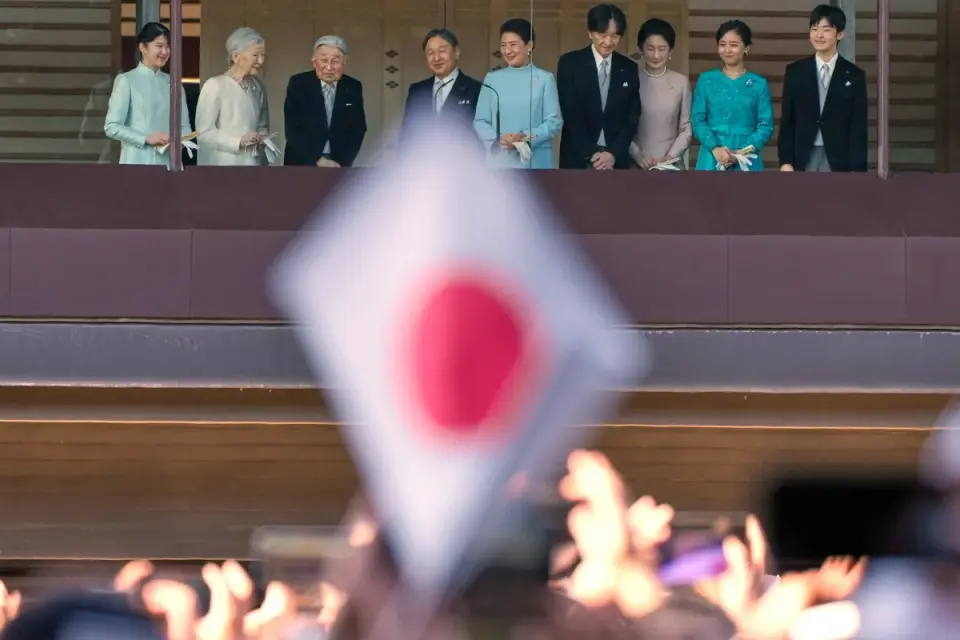
Japan’s revised Imperial House Law, which restricts succession to males, took effect on October 24, 2026. The changes allow distant male relatives to be adopted into the royal family and permit princesses to retain their status after marriage, but they explicitly bar Emperor Naruhito’s daughter, Princess Aiko, from inheriting the throne. Critics and the public oppose the gender-based restrictions, leading to protests and a planned lawsuit by a prominent cartoonist.
Key points
- The revised Imperial House Law took effect on October 24, 2026, reinforcing male-only succession rules for Japan’s 1,500-year-old monarchy.
- The law allows the adoption of unmarried male descendants of distant imperial relatives, aged 15 or older, to become royals and father future heirs.
- Princesses, including 24-year-old Aiko and 31-year-old Kako, can now choose to retain their royal status after marrying commoners, but their husbands and children will not gain royal status.
- The succession line now moves to Emperor Naruhito’s younger brother Akishino, then to his 20-year-old nephew Prince Hisahito, and subsequently to the emperor’s 90-year-old uncle.
- The Imperial Household Agency is studying implementation, while critics argue the law discriminates based on gender and family background, pressuring younger royals to produce male offspring.
Background
Japan has faced a declining imperial family in recent years, with several princesses renouncing their status upon marriage, most recently Mako in 2021. The government’s recent focus on stricter immigration and residency rules, as seen in the October 2026 residency fee hike, reflects a broader trend of tightening national policies, though the Imperial House Law specifically addresses the continuity of the monarchy rather than immigration.
Why it matters
The law’s implementation highlights a significant clash between traditional monarchical structures and modern gender equality norms in Japan. By excluding popular figures like Princess Aiko and restricting the rights of married princesses and their families, the revisions have sparked public unrest and legal challenges, potentially affecting the stability and public support of the imperial institution.
What to watch
The Imperial Household Agency will continue to study how to implement the new measures, including identifying candidates for adoption from the four remaining families that renounced royal status in 1947. Meanwhile, public protests are expected to grow, and cartoonist Yoshinori Kobayashi is set to file a lawsuit challenging the constitutionality of the revised law.
Want the full story? Read the original reporting
Read on AP News