
Israel’s president tasks Gadi Eisenkot with forming government after deadlocked election
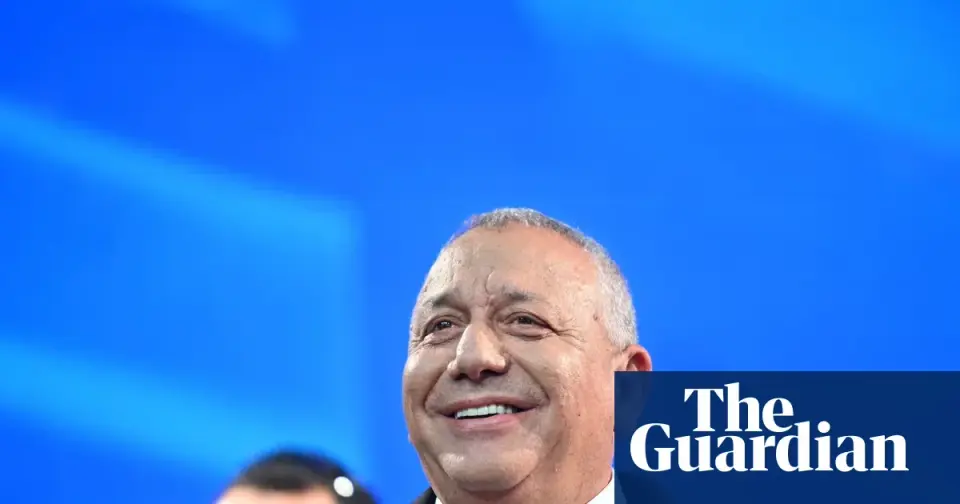
Israeli President Isaac Herzog has designated Gadi Eisenkot, leader of the centrist Yashar party, to attempt to form a new government following the October 27 election. Eisenkot, a former military chief, received 67 endorsements from incoming Knesset members, compared to 46 for incumbent Prime Minister Benjamin Netanyahu. Although Netanyahu’s bloc holds 53 seats, internal fractures and the support of Arab-led parties for Eisenkot have shifted the balance. Eisenkot now has 28 days, with a possible 14-day extension, to assemble a coalition. If he fails, the mandate may pass to Netanyahu. The decision follows a deadlocked election where neither side secured a clear majority, leaving 19 seats held by Arab parties as decisive kingmakers.
Key points
- President Isaac Herzog officially tasked Gadi Eisenkot with forming a government on Saturday, with a formal ceremony scheduled for Sunday.
- Eisenkot secured 67 endorsements from incoming Knesset members, including 19 from Arab-led parties, while Netanyahu received 46.
- Eisenkot’s opposition bloc holds 48 seats, while Netanyahu’s camp holds 53, leaving neither with a parliamentary majority.
- Eisenkot has 28 days to form a coalition, with a possible 14-day extension; if he fails, the mandate may pass to Netanyahu.
- Netanyahu’s position is weakened by the refusal of United Torah Judaism to endorse him and ongoing disputes over election integrity.
Background
This development follows Israel’s October 27 election, the first since the war in Gaza began in October 2023. Polls ahead of the vote showed Eisenkot leading Netanyahu by 8 to 10 points, with both candidates campaigning on security and national unity. The election resulted in a deadlocked parliament, with neither bloc securing a 61-seat majority. Arab-led parties, which won 19 seats, emerged as decisive kingmakers, with the Joint List and Ra’am backing Eisenkot. Netanyahu’s coalition faced internal fractures, including the refusal of United Torah Judaism to endorse him, while he continued to dispute election results despite official assurances of integrity.
How outlets are covering it
The Guardian emphasizes Eisenkot’s role as Netanyahu’s strongest rival and his vow to form a 'national emergency government,' highlighting his past as military chief and his stance against extremist settlers. CNN focuses on the political obstacles Eisenkot faces, including divisions within the opposition and the challenge of forming a coalition without Arab cabinet members. KOMO highlights the broader context of Netanyahu’s declining power and the potential for another period of political uncertainty if Eisenkot fails. All sources agree on the numerical advantage of Eisenkot but differ in emphasis: The Guardian stresses the national emergency framing, CNN details the coalition arithmetic and Liberman’s opposition, and KOMO focuses on the historical significance of the shift in power.
Why it matters
The outcome of coalition talks could determine whether Israel gets a new government or faces another period of political uncertainty. Eisenkot’s success would mark a significant shift in Israeli politics, potentially ending Netanyahu’s long tenure and addressing issues such as security failures and ultra-Orthodox conscription. Failure could lead to another election or continued deadlock, with implications for regional stability and domestic policy.
What to watch
Eisenkot will begin coalition talks on Sunday, with the new Knesset convening on Tuesday. The opposition plans to replace Netanyahu’s Knesset speaker and form a state commission of inquiry into the October 7 security failures. If Eisenkot fails to form a government within the allotted time, the mandate may pass to Netanyahu, who has four weeks to attempt coalition building. The outcome will depend on negotiations with parties such as Yisrael Beiteinu and the ultra-Orthodox factions.
- Israel’s president picks Yashar leader Gadi Eisenkot to form government The Guardian
- In setback to Netanyahu, rival Eisenkot to be tasked with forming next Israeli government. But the path remains complicated CNN
- Israel's president gives Netanyahu's rival first chance to form government KOMO
- Netanyahu’s Challenger Tapped to Try to Form Israeli Government WSJ
- Eisenkot, Netanyahu Rival and Opposition Leader, Tapped to Try to Form Government The New York Times
Want the full story? Read the original reporting
Read on The Guardian