
Italy Enacts Decree Banning School Veils and Capping Non-Italian Speakers
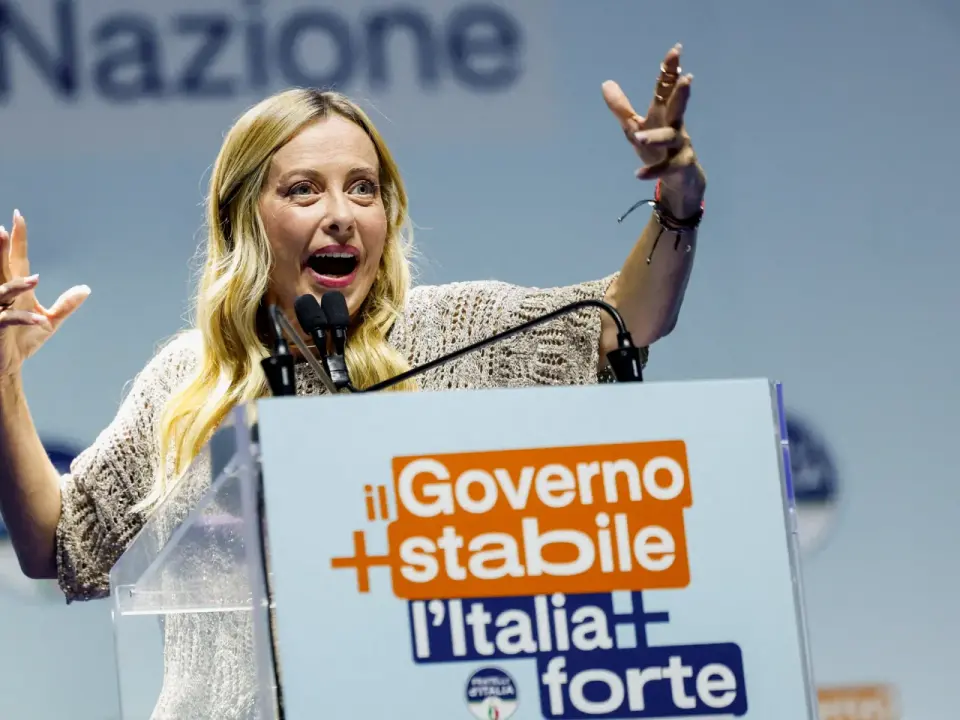
Italy’s cabinet adopted a decree-law banning burqas and niqabs in schools and imposing a 30% cap on students with limited Italian proficiency. The measure, which carries fines up to 1,000 euros, aims to boost integration but faces opposition claims of political pandering ahead of 2027 elections.
Key points
- The decree-law bans burqas and niqabs in schools, with fines up to 1,000 euros for violations, while allowing hijabs.
- A 30% cap is imposed on students with limited Italian proficiency in primary and secondary schools, affecting approximately 1,000 classrooms nationwide.
- The measure requires local authorities to redistribute students to avoid 'ghetto classes' and mandates Italian language courses for parents facing integration barriers.
- President Sergio Mattarella expressed concern about barriers to education, while the decree must be ratified by parliament within 60 days to remain in force.
- Opposition leaders, including Elly Schlein, criticized the move as propaganda aimed at countering the far-right National Future party ahead of the 2027 general election.
Background
In late September 2026, Prime Minister Giorgia Meloni proposed legislation to ban full-face veils in schools and cap foreign pupils per class, framing it as a necessary step for integration. This followed earlier announcements in September 2026 where Meloni linked language learning to successful integration, noting that 11.6% of Italian students are non-citizens. The current decree formalizes these proposals into immediate law, building on a 2010 ministerial notice that previously set a 30% limit as a guideline rather than a legal requirement.
How outlets are covering it
Al Jazeera emphasizes the legal mechanics, noting the decree’s immediate effect and the 60-day parliamentary ratification window, while highlighting President Mattarella’s reservations. BBC focuses on the political dynamics, detailing Education Minister Giuseppe Valditara’s defense of the cap as 'purely linguistic' and the opposition’s accusation that the policy panders to the far-right National Future party led by Roberto Vannacci. Both sources agree on the 30% cap and the ban on burqas/niqabs, but BBC provides more detail on the differential application across primary and secondary schools, whereas Al Jazeera highlights the potential fines and the broader context of Italy’s longest-serving government since WWII.
Why it matters
This policy marks a significant shift in Italy’s education and immigration stance, potentially influencing the 2027 general election by addressing integration concerns. It tests the limits of executive power through decree-law and may set precedents for other European nations grappling with similar demographic and cultural challenges. The measure’s implementation could strain resources in schools with high migrant populations, while its political fallout may reshape the center-right vs. far-right dynamic in Italian politics.
What to watch
Parliament must ratify the decree within 60 days to prevent its expiration. Local school authorities will begin coordinating student placements to meet the 30% cap, with exemptions and additional funding for schools unable to comply. Political debates will intensify as the far-right National Future party and center-left Democratic Party clash over the measure’s intent and feasibility, potentially influencing campaign strategies ahead of the 2027 elections.
- Meloni government bans burqas, caps foreign students in Italian schools Al Jazeera
- Italy ministers agree to ban burqa and niqab in school and cap foreigners in class BBC
- Italy Moves to Cap Number of Foreign Students in Its Classrooms The New York Times
- Italy decrees limits on non-Italian speakers and veils in school classrooms AP News
- Beset by far-right rival, Italy's Meloni tightens foreign pupil rules Reuters
Want the full story? Read the original reporting
Read on Al Jazeera