
ISW Reports Russia Losing Ground as Kremlin Pursues Sanctions Relief Amid Inflation
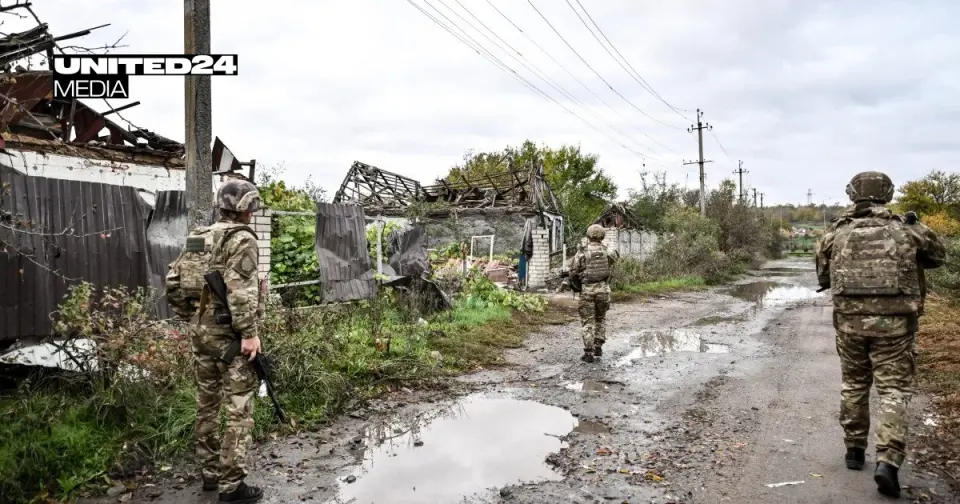
The Institute for the Study of War reports that Russia has lost 241 square kilometers more territory than it captured since September, contradicting Kremlin claims of significant gains. Simultaneously, Moscow is leveraging economic leverage to secure sanctions relief from the US, while facing domestic inflation and Starlink connectivity issues.
Key points
- ISW data indicates a net Russian territorial loss of 241 square kilometers since September, driven by Ukrainian counteroffensives.
- Putin invoked 'historical claims' to reject a frontline freeze, demanding Ukraine surrender control of Donetsk, Zaporizhzhia, and Kherson oblasts.
- The Russian Central Bank kept interest rates at 14 percent to combat inflation, signaling a shift toward cautious monetary policy.
- Ukraine and Russia agreed to a limited ceasefire in Oleshky to allow humanitarian aid, though start dates differ between officials.
- A likely Russian drone struck a cargo ship near Romania, with debris falling in Moldova, escalating Black Sea tensions.
Background
This development follows Ukraine’s Operation Vivaldi, which reclaimed 176 square kilometers in September. Previous ISW reports highlighted a discrepancy between Putin’s claims of capturing 1,301 square kilometers in September and actual geolocated data showing a net loss of 80.81 square kilometers. The current trend suggests a continued shift in battlefield momentum favoring Ukrainian forces in the Donetsk region.
How outlets are covering it
While ISW and UNITED24 Media focus on the military reality of Russian territorial losses, Nournews and Il Foglio emphasize the diplomatic and economic dimensions. Nournews argues that Moscow is using its battlefield resilience to extract sanctions relief from the US without abandoning alliances with China and Iran. Il Foglio notes that the Trump administration is prioritizing energy deals, such as diesel imports, over ending the war, a strategy that has drawn criticism from Democrats and some Republicans. ISW highlights the internal Russian economic strain, noting that high inflation is forcing the Central Bank to maintain high interest rates, which may limit funding for the defense industrial base. These perspectives reveal a divergence between the Kremlin’s public rhetoric of expansion and its private economic constraints and diplomatic maneuvering.
Why it matters
The divergence between battlefield reality and Kremlin rhetoric undermines Moscow’s negotiating leverage. Simultaneously, the US focus on energy deals rather than peace terms may prolong the conflict, while Russia’s internal inflation pressures could limit its capacity to sustain a high-intensity war. The escalation in the Black Sea and Starlink restrictions further complicate the operational environment for both sides.
What to watch
Watch for the outcome of the November 10 trilateral talks on Ukraine and the impact of the diesel deal on US fuel prices. Monitor whether the Oleshky ceasefire holds and if Russian inflation forces further monetary policy shifts. Additionally, observe if Starlink restrictions continue to hamper Ukrainian drone operations and if Black Sea incidents lead to broader NATO involvement.
- Russia Has Lost 241 More Square Kilometers Than It Captured Since September, ISW Says UNITED24 Media
- Russian Offensive Campaign Assessment, October 23, 2026 Institute for the Study of War
- The Russia-Ukraine War Report Card, Oct. 21, 2026 Russia Matters
- Is Putin Seeking an Agreement or Trying to Impose His Terms on US? نورنیوز
- What are the US interests in the negotiations with Moscow? Interview Il Foglio
Want the full story? Read the original reporting
Read on UNITED24 Media