
King Charles bars use of private funds for Andrew's legal challenge
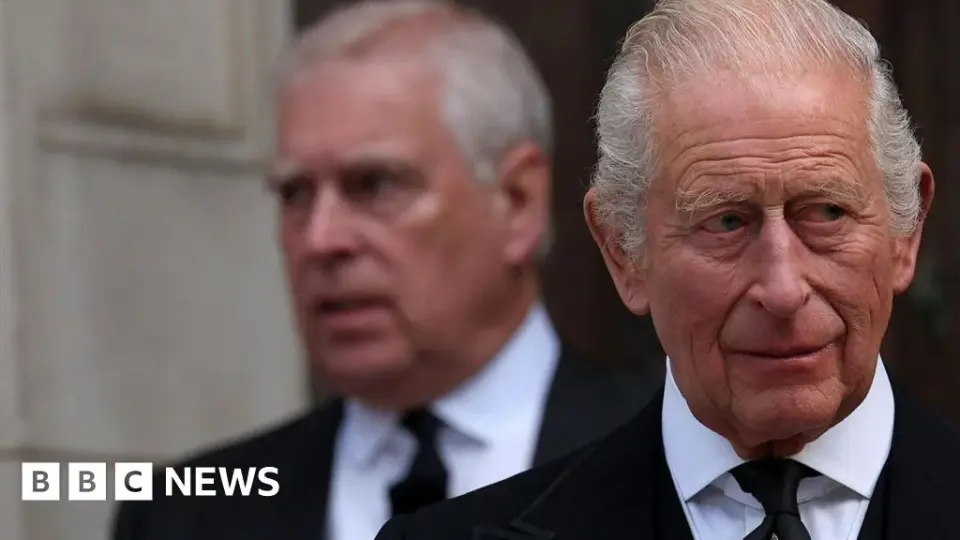
King Charles has instructed that his private allowance for Andrew Mountbatten-Windsor must not fund his legal challenge against police search warrants. Mountbatten-Windsor is seeking a judicial review of the February 2026 arrest and home raids linked to the Epstein files. A court hearing is scheduled for Thursday, while Buckingham Palace distances itself from the former prince's legal strategy.
Key points
- King Charles has directed that his private financial support for Andrew Mountbatten-Windsor cannot be used to pay for his judicial review against Thames Valley Police.
- Mountbatten-Windsor is challenging the legality of search warrants issued for his Sandringham Estate and Royal Lodge homes ahead of his February 2026 arrest.
- The former prince was arrested on his 66th birthday on suspicion of misconduct in public office following revelations in the US Epstein files.
- Buckingham Palace has stated it is not involved in Mountbatten-Windsor's legal battle, as he is no longer a working royal.
- A court hearing is scheduled for Thursday to determine the validity of the warrants, though legal experts note police may retain seized material even if warrants are quashed.
Background
This legal action follows Mountbatten-Windsor's arrest in February 2026, which occurred after US Department of Justice releases of Epstein files suggested he shared confidential trade documents while serving as a UK trade envoy. He had previously lost his royal titles in 2025 after allegations of sexual misconduct resurfaced. The current dispute is distinct from the broader criminal investigation, which remains ongoing without formal charges filed.
How outlets are covering it
BBC and CNN report that King Charles explicitly forbids using his private allowance for the legal costs, emphasizing that the funding is for accommodation, not litigation. Page Six highlights the procedural details, noting that a High Court judge approved the judicial review application. While all sources agree on the legal challenge, BBC and CNN emphasize the royal family's distancing from the case, whereas Page Six focuses on the specific legal mechanics of the warrant challenge and the potential for police to retain evidence even if the warrants are invalidated.
Why it matters
This case tests the boundaries of royal immunity and the legality of police actions against former royals. It also highlights the tension between private royal support and public legal proceedings, potentially setting a precedent for how the monarchy handles legal issues involving non-working members.
What to watch
A court hearing is scheduled for Thursday to determine the legality of the search warrants. The outcome will influence whether the material seized during the February raids is returned or retained by Thames Valley Police, potentially impacting the ongoing misconduct investigation.
- King's funding for Andrew not to be used for legal action against police BBC
- Andrew Mountbatten-Windsor takes legal action against UK police over Epstein arrest CNN
- Ex-Prince Andrew takes legal action against police over birthday arrest Page Six
- Former Prince Andrew files a legal action to quash warrants that led to searches of his residences abcnews.com
- Ex-prince Andrew takes police to court over search warrants linked to Epstein Reuters
Want the full story? Read the original reporting
Read on BBC