
Kristersson Resigns as Sweden's Left Bloc Secures Narrow Victory
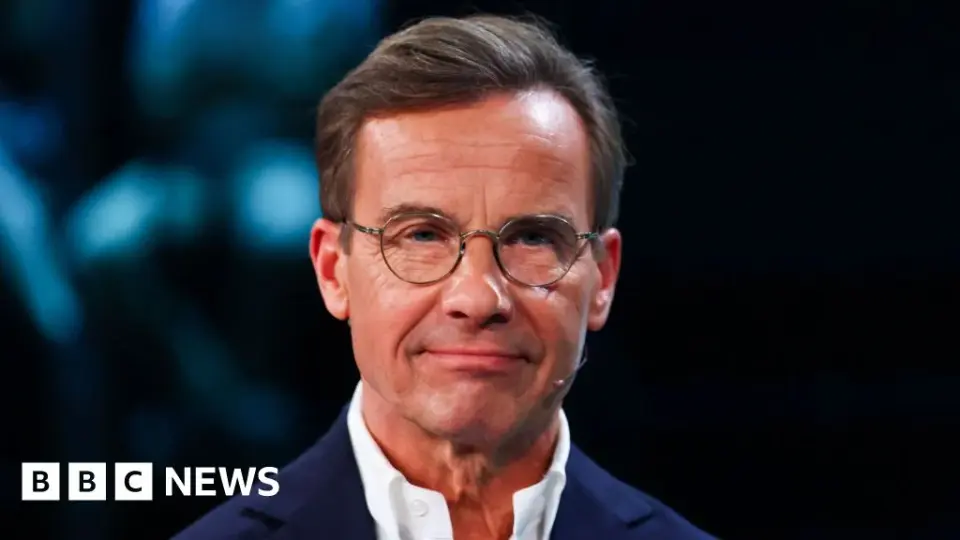
Swedish Prime Minister Ulf Kristersson has resigned following a narrow defeat in the general election. The centre-left bloc, led by Magdalena Andersson, is set to win 176 seats in the 349-seat Riksdag, edging out the right-wing coalition by approximately 50,000 votes. Kristersson, who had promised cabinet positions to the far-right Sweden Democrats (SD) if he retained power, has stepped down to allow the Speaker of the Riksdag to begin forming a new government. The SD party, which had supported the previous administration from the outside, saw its support drop for the first time since 2010.
Key points
- Kristersson announced his resignation on X on Thursday, citing the need to allow the Riksdag Speaker to start the process of forming a new government immediately.
- The centre-left bloc is projected to win 176 seats, while the right-wing bloc is expected to secure 173 seats, a margin of roughly 50,000 votes in a population of 10 million.
- Magdalena Andersson has initiated coalition talks with The Left Party, The Centre Party, and The Green Party, though differences on tax policy may prolong the process.
- The Sweden Democrats, which had propped up the previous minority government, lost support for the first time since entering parliament in 2010, dropping three percentage points from 2022.
- Formal certification of the results is expected to be finalized this weekend, following the counting of late and overseas ballots.
Background
Prior to the election, our archive noted that the race was too close to call, with the left-wing bloc leading by approximately 20,000 votes as of September 14. Kristersson had warned that a left-wing victory could derail Sweden's NATO commitments and defense decisions, particularly regarding missions in Latvia and Baltic security. Exit polls from September 13 had suggested the Social Democrats would lead with about 51.3% of the vote, a margin that has since narrowed but remained sufficient for a left-wing majority.
How outlets are covering it
The BBC reports the resignation as a direct result of the narrow electoral defeat and the subsequent procedural steps in the Riksdag. The Guardian frames the result as a significant moment for European progressives, noting that the far-right Sweden Democrats failed to enter the cabinet, though it cautions that the party's agenda has already been normalized through previous policies. The Guardian also highlights that Andersson's Social Democrats recorded their lowest vote share in over a century, suggesting a need for a more courageous political approach. Yahoo's source was inaccessible due to a technical error, so no perspective could be extracted from it.
Why it matters
The outcome prevents the far-right Sweden Democrats from entering the cabinet, a threshold that would have marked a significant shift in Swedish politics. However, the narrow margin and the potential for prolonged coalition talks, as seen in previous elections, suggest that the new government may face stability challenges. The result also signals a shift in the political landscape, with the far-right losing support for the first time in over a decade, though its influence on policy remains a concern.
What to watch
The Speaker of the Riksdag will hold talks with all parties to propose a candidate for the next prime minister, who will then be voted on by MPs. Coalition talks between Andersson and the other left-wing parties are expected to continue, with potential delays due to disagreements on tax and immigration policy. Formal certification of the election results is expected to be finalized this weekend.
- Swedish PM Kristersson resigns after election loss BBC
- Sweden Center Left Seals Election Win to Keep Far Right Out Bloomberg.com
- The night Sweden's far-right stopped winning reuters.com
- The Guardian view on Sweden’s election result: an opportunity that progressive parties must not squander | Editorial theguardian.com
- Sweden's left-wing wins election thriller Yahoo
Want the full story? Read the original reporting
Read on BBC