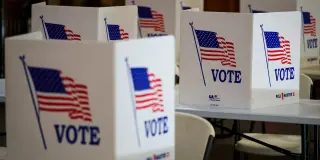
Tennessee Election Results Rolled In Across the State
Tennessee's primary and general election results are in, with votes tallied across the state and WVLT providing statewide race coverage.

All articles tagged with #general election
Tennessee's primary and general election results are in, with votes tallied across the state and WVLT providing statewide race coverage.
An internal Global Strategy Group poll of 1,000 likely general‑election voters shows Democrat Josh Turek leading Ashley Hinson 47% to 45% in Iowa, with Turek outperforming the state’s partisan dynamics and enjoying stronger personal favorability despite Republicans’ registration edge and Trump’s unfavorable overall rating. Independents tilt against Trump, and GOP concerns over trade/tariffs are noted as potential obstacles. The digest also reports a bipartisan House deal on the Kids Online Safety Act (KOSA) and updates to the related KIDS Act, aiming to strengthen online safety for kids and address AI laws, with floor action anticipated. Separately, House Republicans push to advance Reconciliation 3.0 amid ongoing budget and policy discussions before the July 4 recess.
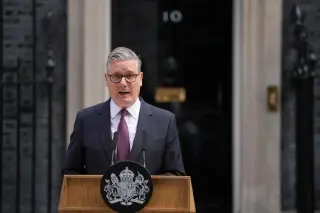
Starmer announced his resignation as prime minister, opening a Labour leadership contest with nominations to begin July 9 and a new leader expected to be in place by Parliament’s return in September; Andy Burnham is currently the frontrunner and could become leader within weeks if unopposed.
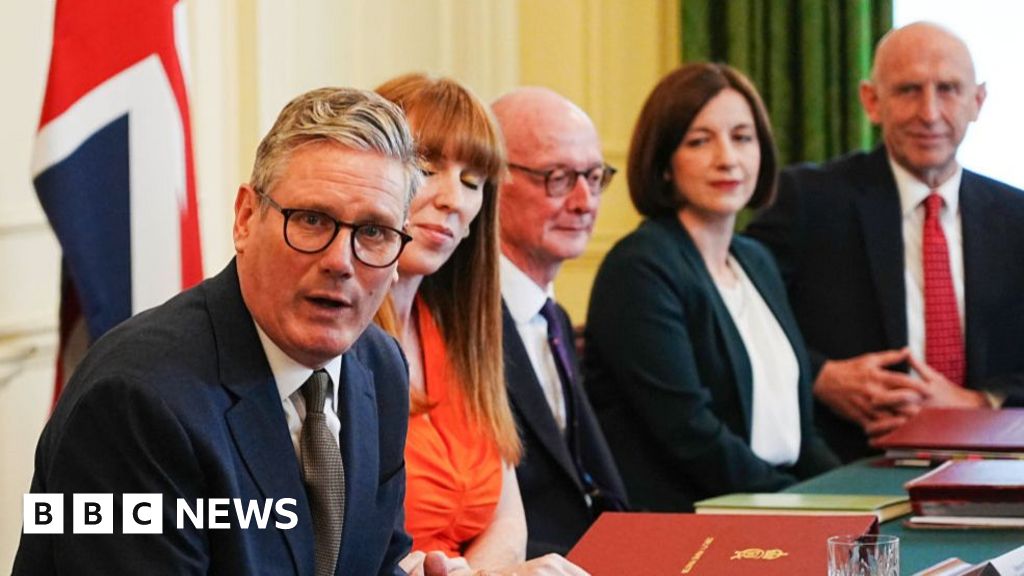
UK Labour leader Sir Keir Starmer is set to unveil a "plan for change" with six key milestones ahead of the next general election, focusing on issues like housebuilding, NHS operations, and greener energy. While the plan aims to provide clear, measurable goals, it faces criticism as an "emergency relaunch" by opponents. The strategy seeks to address voter concerns with concrete promises, though it risks being met with skepticism due to past political disappointments.
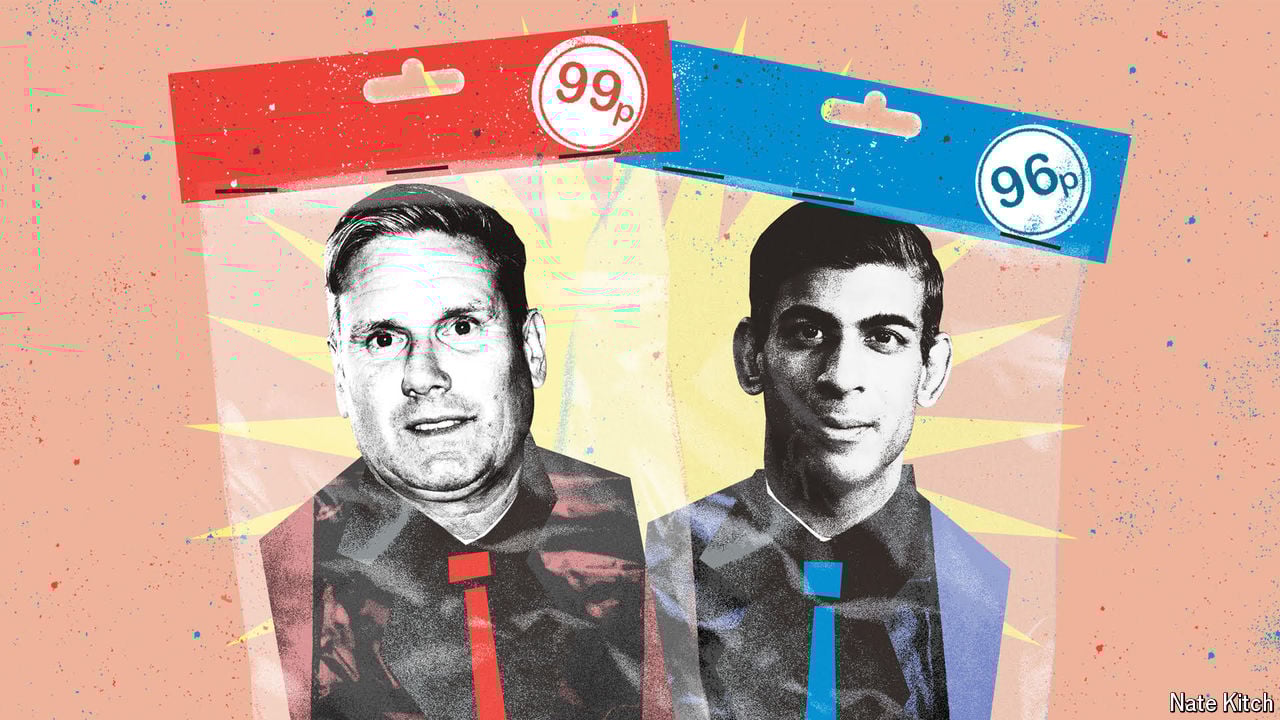
The general election highlights the unusual rise of Rishi Sunak and Sir Keir Starmer, neither of whom are natural politicians. Their first televised debate showcased their flaws, with Sunak appearing overly empathetic and technical, and Starmer coming off as wooden and repetitive.
Election results for the Iowa primary are now available, with insights from Dr. Larimer on what these results might indicate for the upcoming general election in November. Full results can be accessed on the Secretary of State's website.
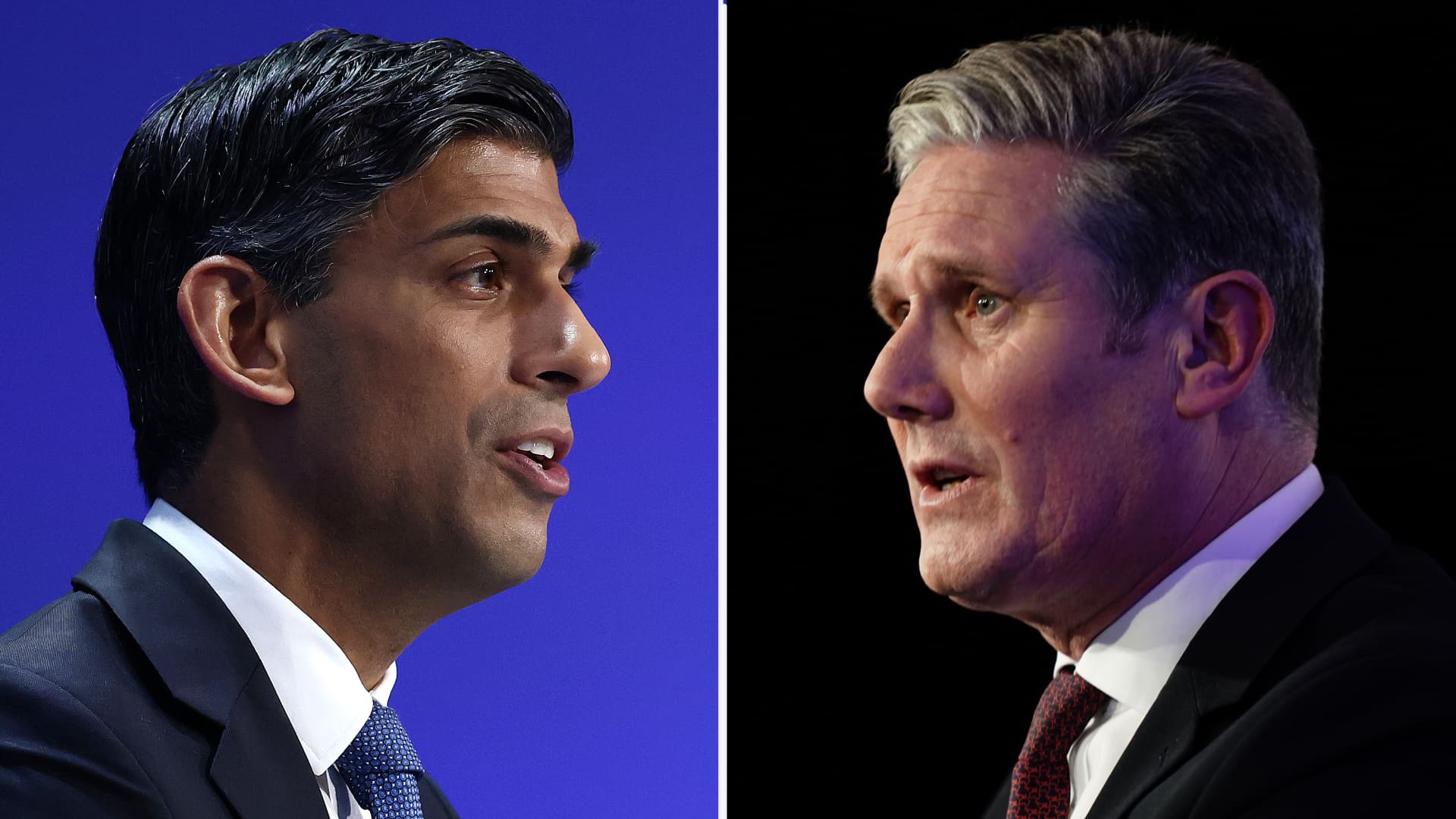
In the first televised debate ahead of the July 4 General Election, UK Prime Minister Rishi Sunak criticized Labour's tax policies, claiming they would result in a £2,000 tax rise for every working family. Labour leader Keir Starmer countered that the Conservatives had raised taxes to a 70-year high and promised only "fully costed" policies. Both leaders pledged not to raise income tax or national insurance. Polls indicate a potential Labour victory, marking their first parliamentary majority in 14 years.
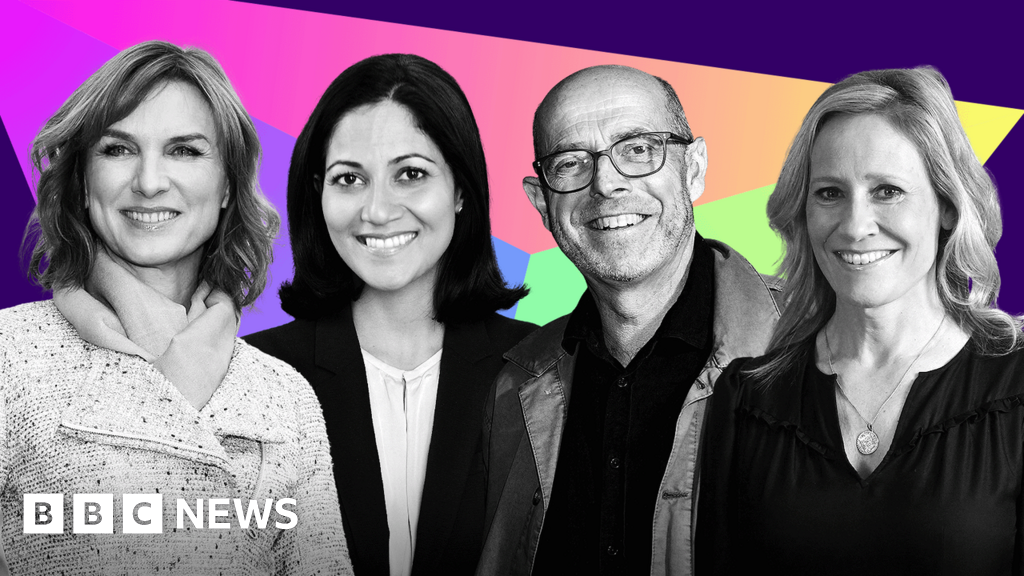
The BBC has announced its schedule for televised general election debates, starting on 7 June with a seven-party debate and culminating in a head-to-head between Prime Minister Rishi Sunak and Labour leader Sir Keir Starmer on 26 June. Additional debates will be held in Scotland, Wales, and Northern Ireland. The election is set for 4 July.
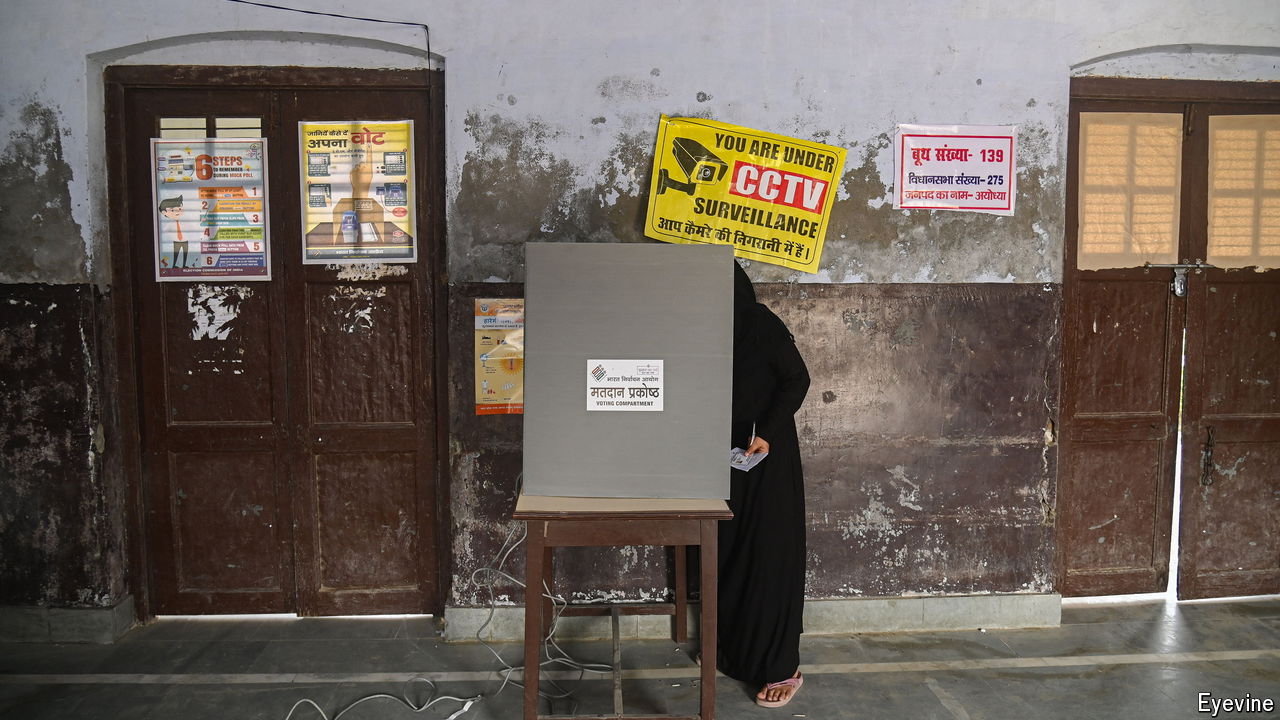
Exit polls indicate a decisive victory for the Bharatiya Janata Party (BJP) and a third term for Prime Minister Narendra Modi in India's general election, with official results expected on June 4th. Modi expressed confidence in the electorate's support, citing his government's impact on the poor and marginalized, while criticizing the opposition.
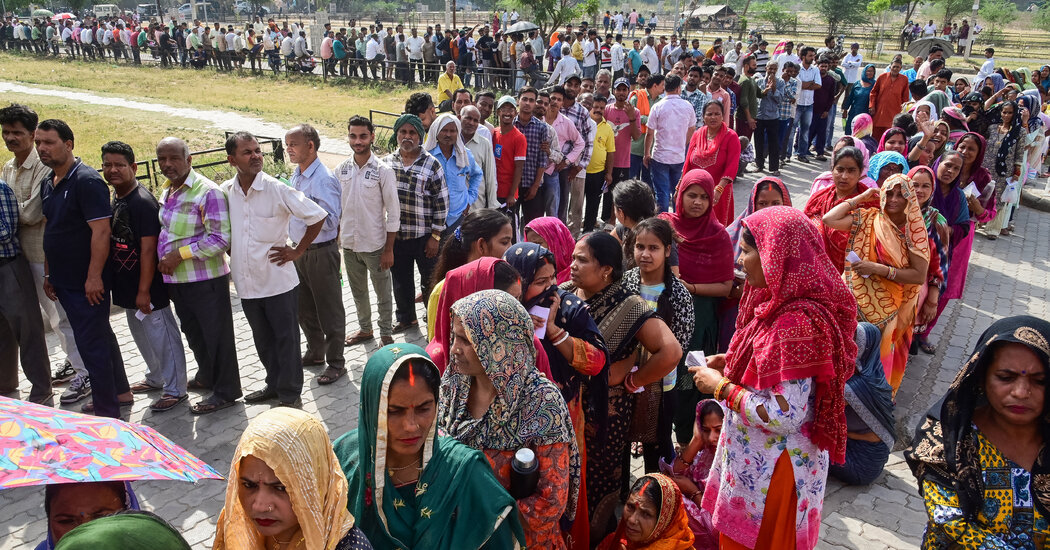
Exit polls from India's general election indicate that Prime Minister Narendra Modi is likely to win a third consecutive term, with his Bharatiya Janata Party (BJP) expected to maintain a comfortable majority in Parliament. Despite efforts from a newly united opposition, Modi's entrenched popularity and the BJP's stronghold appear unshaken. Official results will be announced on Tuesday.
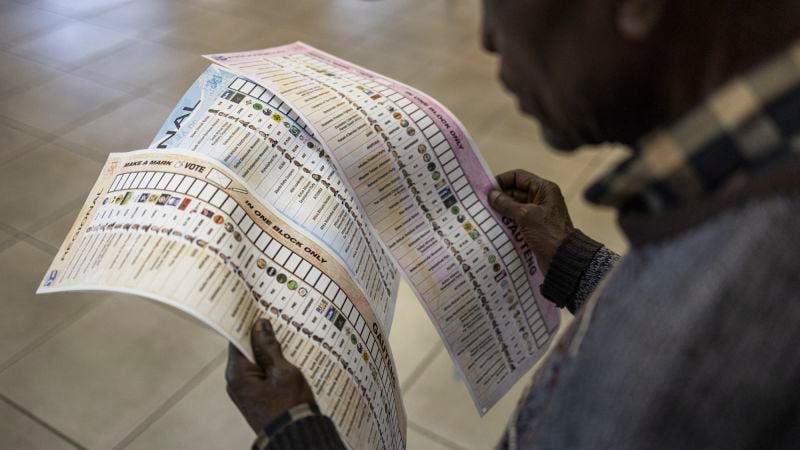
Millions of South Africans are voting in a crucial general election that could see the ruling African National Congress (ANC) lose its majority for the first time since 1994. With widespread frustration over unemployment, corruption, and economic stagnation, the ANC faces its toughest challenge yet. If the party's support drops below 50%, it will need to form a coalition government. President Cyril Ramaphosa remains confident in the ANC's victory, but many voters are calling for change.
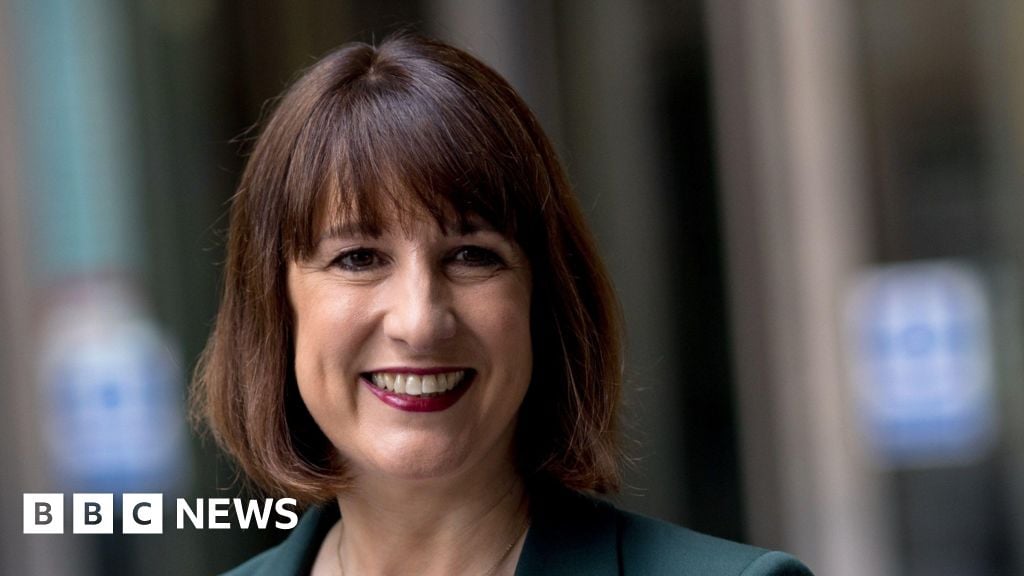
Ahead of the 4 July general election, 121 business leaders have endorsed the Labour Party's economic plans, signaling a shift in business support from the Conservatives. This endorsement, published in the Times, includes notable figures like Wikipedia founder Jimmy Wales and former Heathrow CEO John Holland-Kaye. Shadow Chancellor Rachel Reeves aims to present Labour as pro-growth and business-friendly. The move contrasts with the Conservatives' previous business endorsements and reflects broader dissatisfaction with recent Tory policies. Other political parties also weighed in, emphasizing their own economic strategies.
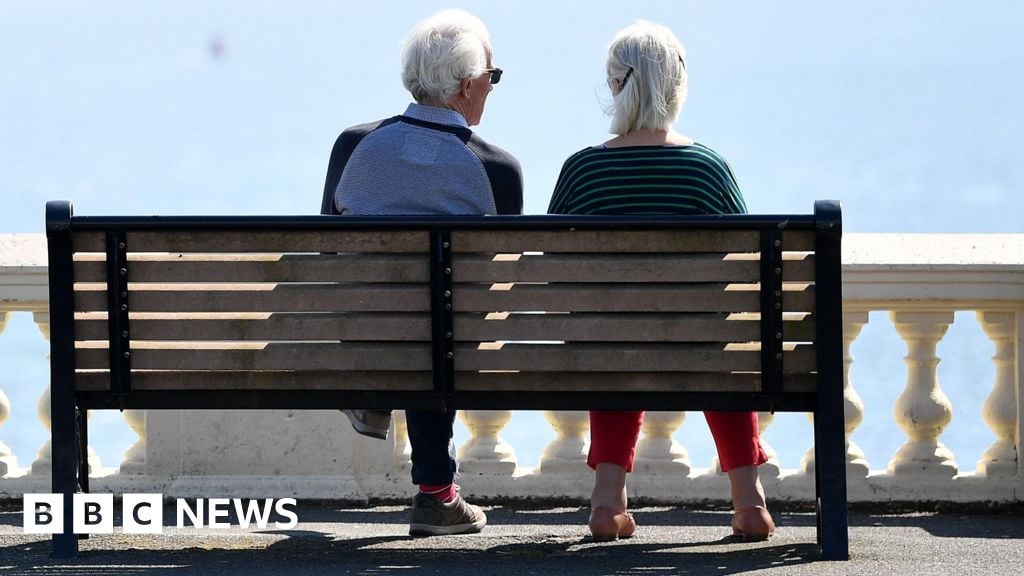
The Conservative Party has announced a "Triple Lock Plus" scheme to raise the tax-free pension allowance if they win the general election, ensuring the state pension remains below the tax-free threshold. This move aims to prevent pensioners from paying income tax due to frozen tax thresholds. Critics, including Labour and the Liberal Democrats, have dismissed the plan as a gimmick, while the Institute for Fiscal Studies notes it mainly prevents a tax rise rather than offering a significant tax cut.
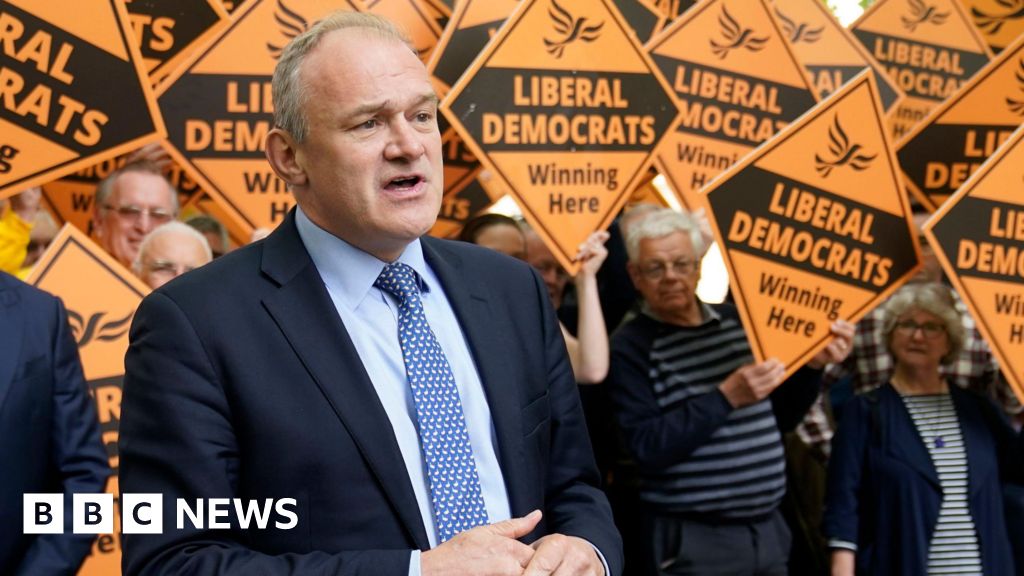
The Liberal Democrats have pledged to recruit 8,000 more GPs if elected, aiming to ensure patients can see a doctor within seven days. The plan, costing £4bn over five years, is central to their general election campaign and includes measures to boost recruitment and retain experienced GPs. Party leader Sir Ed Davey criticized Conservative management of the NHS and emphasized the need for political transformation to address health and care issues.
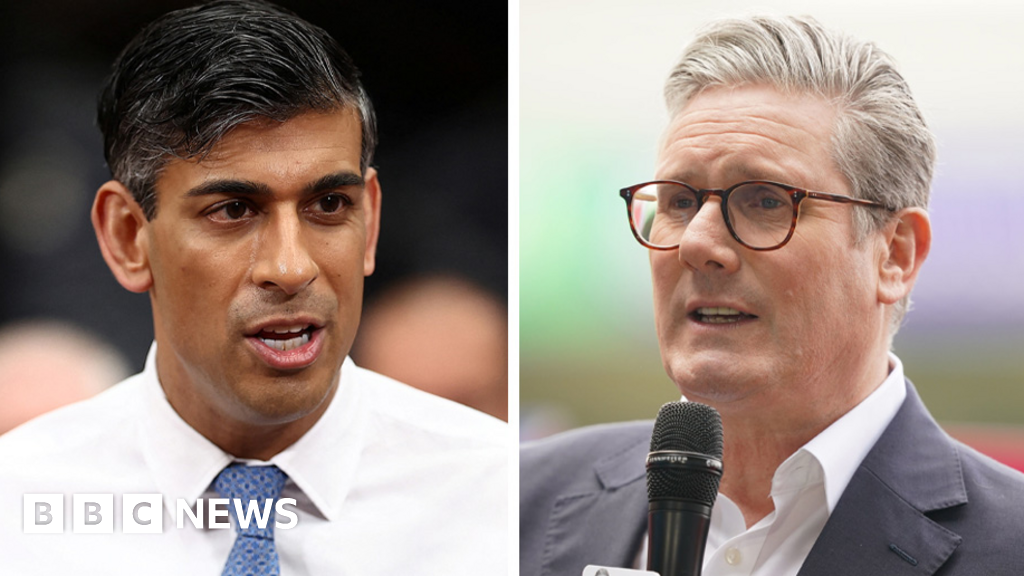
Party leaders have launched their general election campaigns with Prime Minister Rishi Sunak, Labour leader Sir Keir Starmer, SNP leader John Swinney, and Liberal Democrat leader Sir Ed Davey making their pitches to voters across the UK. Key issues include the controversial Rwanda plan for asylum seekers, with Labour promising to scrap it and the Conservatives defending it. Meanwhile, several MPs have announced they will not stand for re-election, and Parliament is rushing to pass key bills before it shuts down for the election.