
Latvia's Kulbergs Wins Election but Faces Coalition Crisis as Populists Surge
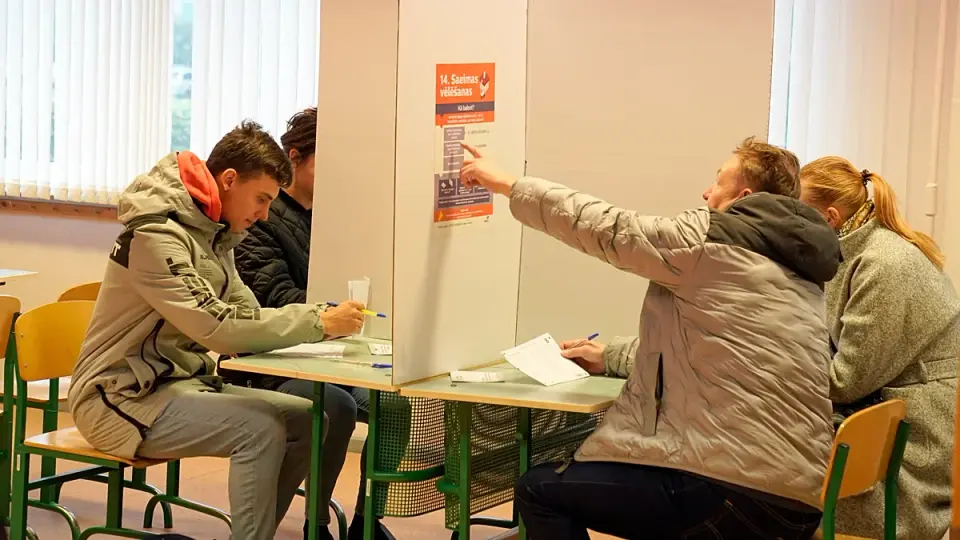
Latvia's centrist United List won the October 3 parliamentary election with 35.3% of the vote, securing 42 seats. Prime Minister Andris Kulbergs faces a difficult coalition-building process as his key allies, New Unity and the Union of Greens and Farmers, risk failing to cross the 5% threshold. Populist parties, including Latvia First and the pro-Russian Sovereign Power, gained significant ground, complicating governance despite Kulbergs' refusal to cooperate with pro-Kremlin factions.
Key points
- United List won 42 seats with 35.3% of the vote, leading the 100-seat Saeima.
- Latvia First came second with 13.1% (17 seats), nearly doubling its 2022 results.
- Sovereign Power, viewed as pro-Russian, placed third with 11.7% (14 seats).
- Turnout was 51.8%, with nearly 800,000 voters participating.
- Kulbergs' coalition partners New Unity and ZZS are polling below the 5% threshold needed for parliamentary entry.
Background
Latvia's 11th parliamentary election since 1991 independence took place against a backdrop of the Russia-Ukraine war and domestic economic struggles. Kulbergs took office in May 2026 after his predecessor faced backlash over Ukrainian drone strikes. The election followed a recent EU sanctions standoff where Latvia opposed delisting Russian billionaires, a move Kulbergs used to bolster his pro-Western stance.
How outlets are covering it
Euronews highlights the 'bittersweet' nature of Kulbergs' victory, noting his refusal to cooperate with pro-Russian parties despite potential coalition needs. Politico emphasizes the risk that Kulbergs may need to negotiate with controversial businessman Ainars Slesers if his allies fail to enter parliament. Al Jazeera focuses on the wide margin of victory for United List and the increased representation of pro-Russian parties, which remain sidelined from government. Analysts note that while security and Ukraine support remain dominant, economic concerns and regional disparities in Latgale are driving voter behavior.
Why it matters
The outcome determines Latvia's future stance on NATO defense spending (currently 5% of GDP) and support for Ukraine. A fragmented parliament could force Kulbergs into unstable coalitions or weaken his ability to maintain hardline policies against Russia, impacting the security of NATO's eastern flank.
What to watch
Kulbergs must form a new government. If New Unity and ZZS fail to cross the 5% threshold, he may need to seek support from Latvia First or other parties, despite his stated reluctance to work with pro-Russian figures. Official results were finalized on October 4, 2026.
- Polls open in Latvia's parliamentary election Euronews.com
- Latvians head to the parliamentary elections with Russia on their minds DW.com
- Latvians vote for a new parliament as fears of Russian hybrid attacks loom AP News
- Latvian PM faces bittersweet victory in election backdropped by Russia politico.eu
- Polls open in Latvia against backdrop of perceived Russia threat Al Jazeera
Want the full story? Read the original reporting
Read on Euronews.com