
Latvia’s United List Secures Record 42 Seats, Defying Polls to Cement Pro-European Course
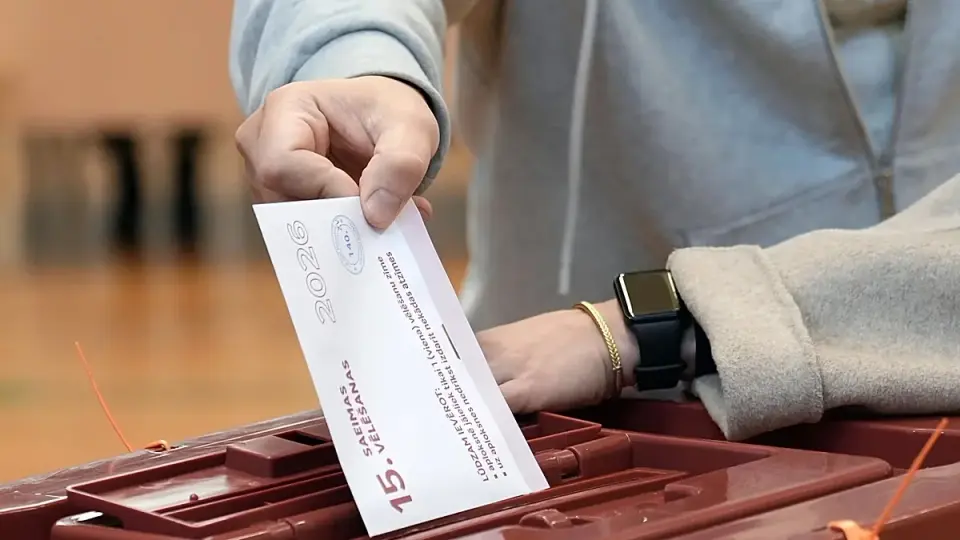
Latvia’s centre-right United List party won the October 3 parliamentary election with 35.4% of the vote, securing a record 42 seats in the 100-seat parliament. Prime Minister Andris Kulbergs, who took office in May, described the result as a mandate for economic growth and continued support for Ukraine. While populist parties gained ground, particularly among Russian-speaking voters, pro-European and pro-NATO factions remain dominant. The victory ensures stability for Latvia’s high defence spending and EU-aligned policies, despite challenges from inflation and coalition-building difficulties.
Key points
- United List won 35.4% of the vote and 42 seats, a post-independence record.
- Turnout was 51.8%, with nearly 800,000 voters participating.
- Populist Latvia First placed second with 13.1% and 17 seats.
- Pro-Russian Sovereign Power finished third with 11.7% and 14 seats.
- Kulbergs pledged to maintain defence spending at 5% of GDP and support Ukraine.
Background
Latvia’s political landscape has shifted significantly since Russia’s 2022 invasion of Ukraine, with security and cost-of-living issues dominating recent campaigns. Previous elections saw the collapse of the Harmony party, which had long represented Russian-speaking voters, leading to a fragmentation of that demographic. Kulbergs’ coalition faced pre-election uncertainty, with key allies risking failure to cross the 5% threshold, but the final results suggest a stronger mandate for the pro-European bloc.
How outlets are covering it
Euronews emphasized the record-breaking nature of United List’s victory and Kulbergs’ framing of the result as a demand for change and economic growth. Al Jazeera highlighted the wide margin of victory and the specific seat distribution, noting that while populist parties gained representation, they remain sidelined from government formation. Both outlets agreed on the final vote share and seat count, but Euronews focused more on the internal coalition dynamics, while Al Jazeera stressed the broader geopolitical implications for NATO and EU policy.
Why it matters
The election outcome reinforces Latvia’s commitment to high defence spending and support for Ukraine, despite domestic pressures from inflation and population decline. The rise of populist parties, particularly those appealing to Russian-speaking voters, signals potential social tensions but does not threaten the core pro-European consensus. Kulbergs’ ability to form a stable coalition without pro-Russian partners will be crucial for maintaining Latvia’s role as a frontline NATO state.
What to watch
Kulbergs must now negotiate coalition agreements with parties that cleared the 5% threshold, as his original coalition partners may not survive in their current form. The government will likely focus on balancing defence spending with social welfare to address cost-of-living concerns. Monitoring the integration of Russian-speaking voters into mainstream politics will be key to assessing long-term stability.
- Latvia's pro-European ruling party wins election as populists gain ground euronews.com
- Latvian PM on track to lead pro-Ukraine coalition after election win Reuters
- Latvian Re-Elected Leader Vows to Cut Spending and Rebuild Trust Bloomberg.com
- Latvia’s governing party wins parliamentary elections by wide margin Al Jazeera
- Latvia: Ruling party leads in exit polls amid populist gains DW.com
Want the full story? Read the original reporting
Read on euronews.com