
Ukraine's 'Vivaldi' Offensive Reclaims 176 Sq. Km in Donbas, Highlighting Robot Warfare Shift
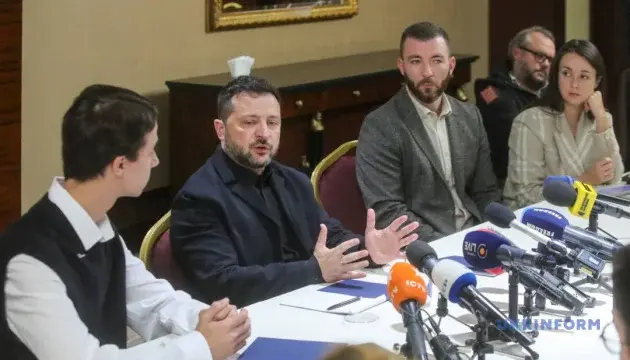
Ukrainian President Volodymyr Zelensky confirmed that the Third Army Corps successfully executed Operation Vivaldi, reclaiming 176 square kilometers of territory in the northern Donetsk Oblast. The offensive, which began in May, utilized advanced robotic systems and drone overmatch to neutralize Russian defenses near Lyman. While Ukrainian officials report significant Russian casualties, analysts note the operation reverses a year of Russian gains but does not constitute a decisive strategic breakthrough.
Key points
- Zelensky stated that 125-140 square kilometers have been liberated so far, with the Third Army Corps reporting a total of 176 square kilometers reclaimed across three phases.
- The operation utilized ground robots and drones to attack Russian positions from behind, reducing personnel risk and changing the paradigm of modern warfare.
- Brigadier General Andrii Biletskyi reported over 2,000 Russian casualties and 250 prisoners taken during the third phase alone.
- Ukrainian forces successfully feinted from Shandryholove to distract Russian forces while advancing on the northern flank near Lyman.
- Russian ultranationalist milbloggers are criticizing internal military reporting failures that obscured Ukrainian advances in the region.
Background
Operation Vivaldi was originally planned a year ago but delayed for additional preparation. The offensive targets the northern Donetsk Oblast, a region where Russian forces had been attempting to encircle Ukrainian-held 'fortress belt' cities for over 12 months. This follows earlier Ukrainian strikes on Russian oil infrastructure and logistics hubs, which have intensified in recent months to raise the cost of the war for Moscow.
How outlets are covering it
Ukrinform and Ukrainska Pravda emphasize the territorial gains and Zelensky's praise for the operation's success, highlighting the shift toward robotic warfare. CNBC provides a broader strategic analysis, noting that while the offensive is a 'big bloody nose' for Putin's territorial ambitions, it is not a decisive breakthrough. The Institute for the Study of War (ISW) focuses on the tactical details, such as the use of VBIEDs and drone overmatch, and highlights the internal Russian military dysfunction regarding information reporting. All sources agree on the significant Russian casualties but differ on the long-term strategic impact, with Western analysts cautioning against overestimating the operational success.
Why it matters
The success of Operation Vivaldi demonstrates Ukraine's ability to innovate in warfare, particularly through the use of robots and drones, which reduces human casualties and disrupts Russian logistics. It also highlights the vulnerability of Russian military command structures, which are struggling to adapt to new tactics and are facing internal criticism for poor battlefield reporting. This could influence future military strategies and international support for Ukraine.
What to watch
Ukraine plans to scale up the use of robotic systems in future operations. Russia is expected to adjust its defensive strategies and potentially extend its timeline for capturing the Donetsk region. International observers will monitor the impact of this offensive on the broader war dynamics and potential diplomatic negotiations.
- President: Defense Forces carry out two successful offensive operations Ukrinform
- Ukraine’s surprise robot offensive exposes a vulnerability in Putin’s war machine CNBC
- Up to 140 sq km already liberated in Operation Vivaldi, Zelenskyy says Українська правда
- Russian Offensive Campaign Assessment, September 28, 2026 Institute for the Study of War
- Ukraine’s Surprise Counterattack Sets Back Putin’s Donbas Goals Bloomberg.com
Want the full story? Read the original reporting
Read on Ukrinform