
Le Pen pledges to halt Ukraine financial aid, citing France’s fiscal crisis
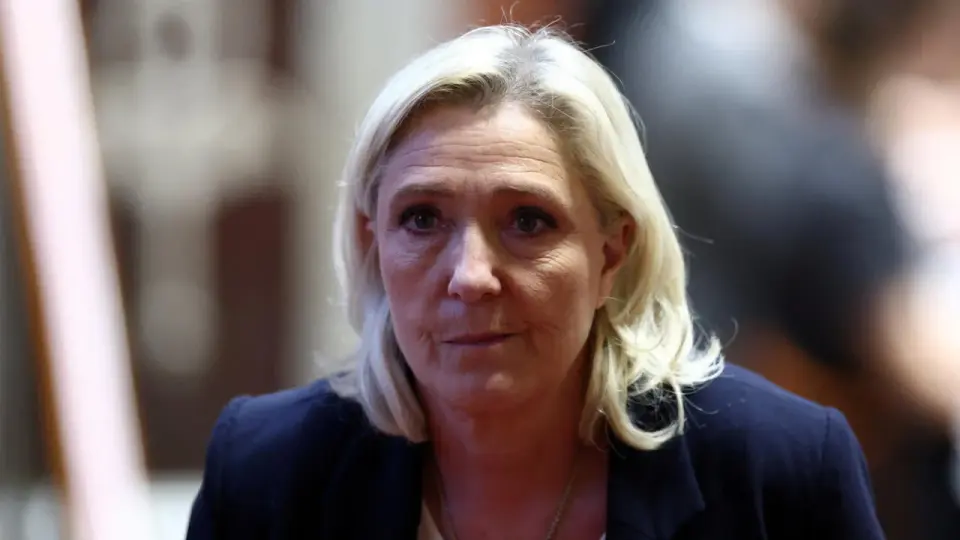
Marine Le Pen, the current frontrunner in the 2027 French presidential race, announced on November 17 that France would cease financial aid to Ukraine if she is elected. She cited France’s dire public finances as the reason but pledged to honor existing commitments, including the €90 billion EU loan. Le Pen stated France would continue supporting Ukraine through equipment donations, humanitarian aid, and diplomacy. She offered to meet Ukrainian President Volodymyr Zelensky in Paris or Brussels but declined his invitation to visit Kyiv. President Emmanuel Macron criticized the move, warning it would force an 'unjust peace' and leave Europe vulnerable. Le Pen’s proposal has triggered concerns within the EU about funding gaps and potential diplomatic isolation for France.
Key points
- Le Pen stated France’s public finances no longer allow for financial assistance to Ukraine, but she will honor existing commitments, including the €90 billion EU loan.
- She pledged to continue supporting Ukraine through equipment donations, humanitarian aid, and active diplomacy, while emphasizing the pursuit of peace.
- Le Pen offered to meet Zelensky in Paris or Brussels but declined his invitation to visit Kyiv, citing a desire to avoid 'political theater.'
- Macron criticized the proposal, stating that limiting resources for Ukraine pushes for an 'unjust peace' and leaves Europe vulnerable.
- The EU is scrambling to address potential funding gaps, with a new €45 billion loan for Kyiv expected to be presented by the European Commission on Wednesday.
- Le Pen’s lead in the polls has raised concerns about France’s role in EU funding and its diplomatic isolation if she wins the 2027 election.
Background
Le Pen has previously faced criticism over links to Russia, including a 2017 meeting with Vladimir Putin and a loan from a Russian bank paid off in 2023. She has opposed the 2022 Russian invasion of Ukraine but has consistently sought to bolster her international stature through hostility toward the EU and looking eastward. In October 2026, she proposed capping France’s net contribution to the EU budget at €5 billion annually, down from €8 billion, and halting financial aid to Ukraine within six months of taking office. These proposals triggered immediate pushback from Macron and Zelensky, who warned of destabilizing the €90 billion Ukraine Support Loan and the broader EU fiscal framework.
How outlets are covering it
RFI and Le Monde emphasize Le Pen’s pledge to end financial aid and her offer to meet Zelensky in Brussels or Paris, while highlighting her previous links to Russia and the potential for diplomatic isolation. Le Monde frames the move as 'hypocrisy or cowardice,' suggesting it aligns with her long-standing affinity for Putin. POLITICO focuses on the venue dispute between Le Pen and Zelensky, noting that neither appears willing to cede ground, and highlights the EU’s scramble to address funding gaps. WSJ emphasizes the broader impact on the EU, noting that Le Pen’s lead in the polls is shaking the bloc’s finances and setting off a race to fill vital gaps. All sources agree on Le Pen’s pledge to end financial aid but differ in their interpretation of its implications, with Le Monde and Macron viewing it as a threat to European security, while Le Pen frames it as a necessity due to France’s fiscal crisis.
Why it matters
Le Pen’s pledge to end financial aid to Ukraine has significant implications for European security and the EU’s fiscal framework. If she wins the 2027 election, France’s role in supporting Ukraine could be severely diminished, potentially forcing Ukraine into an unfavorable peace deal and leaving Europe vulnerable. The move also raises concerns about France’s diplomatic isolation and the EU’s ability to fund its support for Kyiv. As the EU scrambles to address funding gaps, the outcome of the French election could have far-reaching consequences for the ongoing conflict and the broader geopolitical landscape.
What to watch
The European Commission is expected to present a plan for a new €45 billion loan to Kyiv on Wednesday. Le Pen and Zelensky may meet in Paris or Brussels, though the venue remains unresolved. The 2027 French presidential election will determine whether Le Pen’s proposals are implemented, with polls currently showing her in the lead. The EU and its member states will need to address potential funding gaps and reassess their support for Ukraine in light of the election outcome.
- Le Pen to end France’s financial aid to Ukraine if elected president RFI
- Marine Le Pen's position on Ukraine is either hypocrisy or cowardice Le Monde.fr
- Le Pen says France will keep giving Ukraine aid if she is elected Reuters
- Ukrainian standoff: Will Le Pen visit Zelenskyy? Or will Zelenskyy visit Le Pen? POLITICO.eu
- Le Pen’s Lead in French Election Race Has EU in Scramble for Funding WSJ
Want the full story? Read the original reporting
Read on RFI