
Ukraine Strikes Force Russia to Import Record Fuel Volumes and Lower Quality Standards
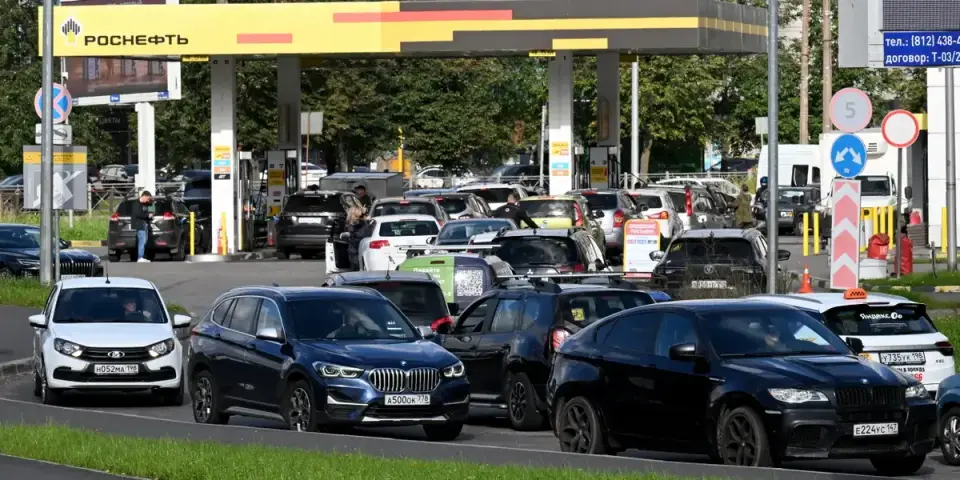
Sustained Ukrainian drone attacks on Russian refineries have crippled domestic fuel production, forcing Moscow to import massive volumes of petrol from overseas. Deputy PM Alexander Novak has authorized the use of lower-grade 'out-of-class' fuel to maintain supply, while rationing has begun in multiple regions. This marks a historic shift for the world's second-largest energy exporter, which now relies on imports for roughly 10% of its gasoline needs.
Key points
- Ukraine claims its long-range strike campaign has disabled approximately 55% of Russia's total refinery capacity, severely limiting the conversion of crude oil into refined petrol.
- Russian Deputy PM Alexander Novak instructed officials to prioritize importing petrol and utilizing 'out-of-class' fuel, a lower-grade standard typically reserved for exports or military use, to bridge supply gaps.
- Russia's seaborne fuel imports surged to over 416,000 metric tons in August and 234,000 metric tons in September, a dramatic increase from the roughly 5,000 metric tons typical in previous years.
- Gasoline rationing, capping daily purchases at 30 liters, has been implemented in at least six Russian regions, with similar restrictions reported in Moscow areas earlier in the year.
- Ukraine's military intelligence estimates Russia imported nearly 1 million metric tons of fuel and additives by sea between July and October, a volume comparable to Russia's entire 2014 import year.
Background
This crisis follows a period of intense geopolitical tension regarding energy flows. Earlier in 2026, the United States attempted to import Russian diesel to alleviate domestic price spikes, but the deal collapsed due to sanctions violations and diverted tankers. That episode highlighted global fuel market fragility, but the current situation is distinct: it involves a major exporter struggling to supply its own domestic market due to physical destruction of infrastructure, rather than trade policy disputes.
How outlets are covering it
Business Insider emphasizes the systemic nature of the crisis, highlighting Novak's directive to use lower-quality fuel and the historic scale of imports relative to past years. Bloomberg focuses on the tactical military aspect, detailing specific drone strikes on refineries in Bashkortostan, such as Gazprom Neftekhim Salavat, which are located deep inside Russia. Ukrainian media, such as Ukrainska Pravda, corroborate the intensity of the attacks, reporting fires and casualties in Krasnodar Krai, noting that some facilities like the Afipsky refinery have been struck multiple times in recent weeks. While all sources agree on the severity of the supply disruption, Business Insider and Bloomberg frame it as a result of sustained strategic bombing, whereas Ukrainian outlets highlight the immediate operational impact on specific southern facilities.
Why it matters
The shift from net exporter to significant importer signals a fundamental vulnerability in Russia's energy sector. The reliance on lower-grade fuel and foreign imports could lead to long-term infrastructure degradation and economic strain. Furthermore, the successful disruption of Russian refining capacity demonstrates the effectiveness of Ukraine's long-range strike campaign, potentially altering the strategic balance of the conflict and influencing global energy prices as supply chains adjust to Russian shortages.
What to watch
Analysts expect continued pressure on Russian refineries as Ukraine maintains its strike campaign. Russia may face further rationing or price hikes as it struggles to balance domestic demand with export obligations. The reliance on 'out-of-class' fuel could lead to increased vehicle emissions and mechanical issues for consumers. International markets may see volatility as global traders adjust to the reduced availability of Russian refined products, potentially impacting diesel and petrol prices in Europe and Asia.
- Russia's energy crisis is so bad it's mass-importing fuel and looking to low-grade fuel for pump stations Business Insider
- Ukrainian Drones Target Two Oil Refineries Deep Inside Russia Bloomberg
- Drones attack Russia's Krasnodar Krai, fire breaks out at oil refinery – videos Українська правда
- Ukraine says it hit refineries in Krasnodar day after striking nearby Kerch bridge DW.com
- 2 Russian oil refineries reportedly targeted in overnight drone attack on Krasnodar Krai The Kyiv Independent
Want the full story? Read the original reporting
Read on Business Insider