
Le Pen’s EU Budget Threats Spark Sharp Reactions from Macron and Zelenskyy
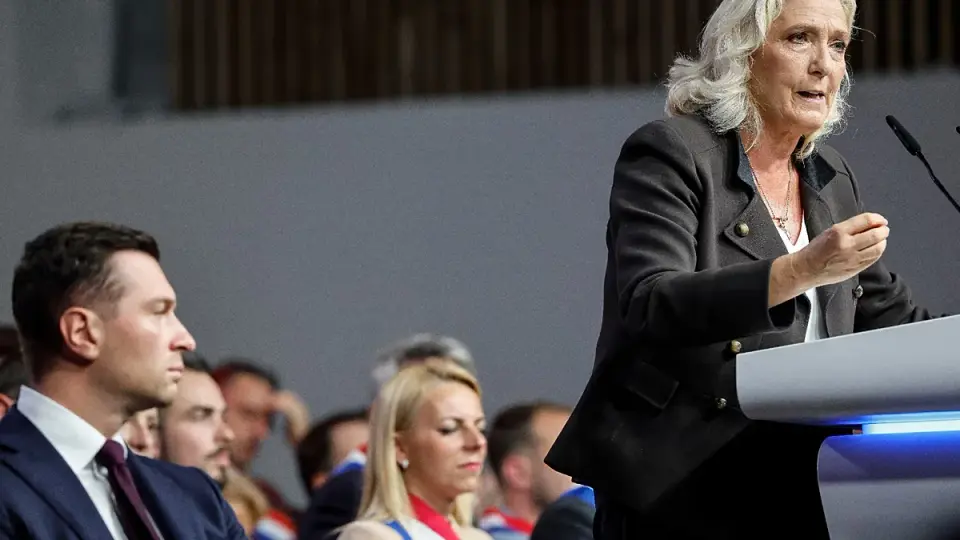
Marine Le Pen, the frontrunner for the 2027 French presidential election, has proposed halting financial aid to Ukraine within six months of taking office and capping France’s net contribution to the EU budget at €5 billion annually, down from €8 billion. These proposals, detailed during a visit to Brussels, have triggered immediate pushback from President Emmanuel Macron, who warned that cutting support jeopardizes European security, and Ukrainian President Volodymyr Zelenskyy, who criticized Le Pen’s understanding of the conflict’s costs. While Le Pen argues France’s public finances are 'perilous,' experts warn that such moves could destabilize the €90 billion Ukraine Support Loan and the broader EU fiscal framework, potentially forcing other member states to absorb the financial shortfall.
Key points
- Le Pen pledged to end French financial assistance to Ukraine within six months, citing France's 'perilous' public finances, while maintaining support for military training and equipment.
- The National Rally proposes capping France’s net EU budget contribution at €5 billion per year, a significant drop from the current €8 billion, and opposes the 2028-2034 EU budget negotiations as 'anti-democratic.'
- President Macron criticized Le Pen’s 'lack of humility,' stating that cutting Ukraine funding 'jettisons the security of Europe' and the French people, while Zelenskyy argued the cost of support is less than the value of lives saved.
- Experts note that France has committed €27 billion to Ukraine since 2022, with €19 billion flowing through European mechanisms; cutting this could jeopardize the €90 billion Ukraine Support Loan and force other EU members to cover the gap.
- Le Pen’s platform also includes ending EU sanctions on Russia, opposing the European Green Deal, and calling for a revision of the European Central Bank’s mandate to prioritize economic growth over price stability.
Background
This development follows Le Pen’s recent campaign intensification, where she previously vowed to slash EU contributions by €11.1 billion and halt Ukraine aid, amid a severe French fiscal crisis and rising bond yields. The current proposals contrast with earlier French stances under Macron, which supported a larger EU budget and new own resources, and highlight the potential shift in France’s role as a driving force for European sovereignty and strategic autonomy.
How outlets are covering it
Euronews and the Financial Times highlight the potential destabilization of EU mechanisms, with the FT noting Le Pen’s willingness to withhold half of France’s contribution to scupper the 2028-2034 budget. Le Monde emphasizes Macron’s direct criticism of Le Pen’s 'lack of humility' and the security risks of cutting Ukraine support. Experts cited by Euronews, such as Elie Tenenbaum and Eulalia Rubio, warn that Le Pen’s proposals reflect a 'lack of understanding' of EU institutions and could undermine the bloc’s legal framework if adopted across member states. In contrast, Italian PM Giorgia Meloni, often compared to Le Pen, has forcefully defended continued support for Ukraine, stating that 'supporting Ukraine is not an alternative to peace, it’s what makes it possible.'
Why it matters
A Le Pen victory could fundamentally alter France’s role in the EU, potentially leading to a reduction in French contributions and a shift away from supporting Ukraine and EU sanctions on Russia. This could force other member states to absorb the financial shortfall, destabilize the €90 billion Ukraine Support Loan, and challenge the EU’s legal and fiscal framework, with broader implications for European security and unity.
What to watch
The 2027 French presidential election is scheduled for April and May, with Le Pen currently leading the polls. The EU is expected to continue negotiations on the 2028-2034 budget, with Macron pushing for a deal by the end of 2026. Le Pen’s campaign will likely focus on tightening immigration controls, tackling the cost-of-living crisis, and challenging EU regulations, while other EU leaders, such as Meloni, will continue to advocate for support for Ukraine and Euro-Atlantic unity.
- No money for Ukraine and EU budget cuts: What could a Le Pen victory mean for the EU? Euronews.com
- Macron tells Le Pen to 'stay humble' ahead of French vote Le Monde.fr
- Zelensky Responds To Le Pen's Pledge To Cut Ukraine Aid Yahoo
- Le Pen casts doubt on future EU funding for Ukraine Financial Times
- Macron responds to Le Pen: Ending aid to Ukraine would jeopardize France’s security Ukrinform
Want the full story? Read the original reporting
Read on Euronews.com