
Macron Rebukes Le Pen as EU Budget Talks Stall Over Ukraine Aid
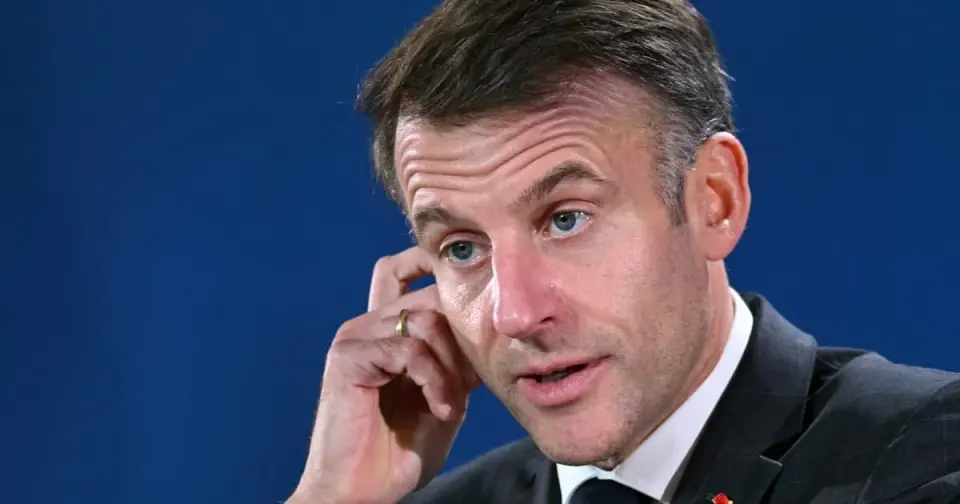
EU leaders failed to reach an agreement on the 2028-2034 budget during a 12-hour summit in Brussels on November 26, 2026, with talks set to resume in December. French President Emmanuel Macron criticized far-right presidential candidate Marine Le Pen for acting as if she were already in power, while German Chancellor Friedrich Merz insisted that all 27 member states must support a €45 billion loan for Ukraine. The negotiations remain deadlocked between fiscally cautious nations and those seeking higher spending, with a final deal required before the end of the year to avoid complications from the 2027 French presidential election.
Key points
- EU leaders deferred budget negotiations after 12 hours of talks on November 26, 2026, with a new summit scheduled for December 17-18, 2026.
- Macron stated that Le Pen is exhibiting 'arrogance' by speaking as if she is in charge, noting he remains president until May 13, 2027.
- Macron warned that if no deal is reached by December 31, 2026, he will stop participating in negotiations, leaving the task to his successor.
- Germany’s Friedrich Merz maintained that the €45 billion Ukraine loan must be approved by all 27 EU members, rejecting opt-outs by Slovakia, Hungary, and Czechia.
- Bulgaria signaled willingness to contribute to the non-military portion of the Ukraine loan, marking a minor shift in the negotiations.
- The current budget proposal totals €1.582 trillion, representing a reduction from the initial €2 trillion plan, but remains contested by frugal and net-beneficiary states.
Background
The 2027 French presidential election is scheduled for April and May 2027, with Marine Le Pen currently leading polls. Macron’s current term ends in May 2027, and he has previously expressed concerns about negotiating EU budgets close to the election date. Le Pen has campaigned on reducing France’s EU contributions and cutting aid to Ukraine. The broader EU budget negotiations are complicated by a 'big year of elections' across Europe, where more than half of the EU electorate will vote in the next 12 months.
How outlets are covering it
POLITICO emphasizes Macron’s direct confrontation with Le Pen, highlighting his accusation of her 'arrogance' and his ultimatum to stop negotiating after December 31. The Guardian focuses on the structural split between 'frugal' countries like Germany and 'net beneficiaries' like Slovakia and Czechia, detailing the specific €45 billion Ukraine loan dispute and Merz’s threat to veto the budget. BBC provides a broader overview of the stalled talks, noting the walkout of four countries including Denmark and Austria, and frames the delay as a result of deep divisions over spending priorities and Ukraine aid, while also mentioning the appointment of Pablo Hernández de Cos as the next ECB president.
Why it matters
The outcome of these negotiations will determine EU spending priorities for 2028-2034, including support for Ukraine and agricultural subsidies. A failure to reach a deal by the end of 2026 could leave the budget in limbo during the 2027 French presidential election, potentially allowing a future government to renegotiate terms or block the deal entirely. The dispute over the Ukraine loan also highlights the growing fragmentation within the EU regarding solidarity and fiscal responsibility.
What to watch
EU leaders are scheduled to resume budget negotiations at a two-day summit on December 17-18, 2026. Macron has stated he will not participate in negotiations after December 31, 2026, if a deal is not reached. The 2027 French presidential election is scheduled for April 18 and May 2, 2027, which will determine the next French president and potentially the direction of France’s EU policy.
- Macron accuses ‘arrogant’ Le Pen of speaking as if she already won POLITICO.eu
- EU leaders wrestle over Ukraine aid as potential Le Pen victory sparks fear The Guardian
- EU leaders fail to bridge budget splits as talks stall BBC
- France and Germany want deal by year-end to 'Le Pen-proof' next EU budget and Ukraine funding Reuters
- At odds over the EU budget, European leaders decided to cut summit short DW.com
Want the full story? Read the original reporting
Read on POLITICO.eu