
Armenia to Phase Out Russian Border Guards as Yerevan Pursues European Integration
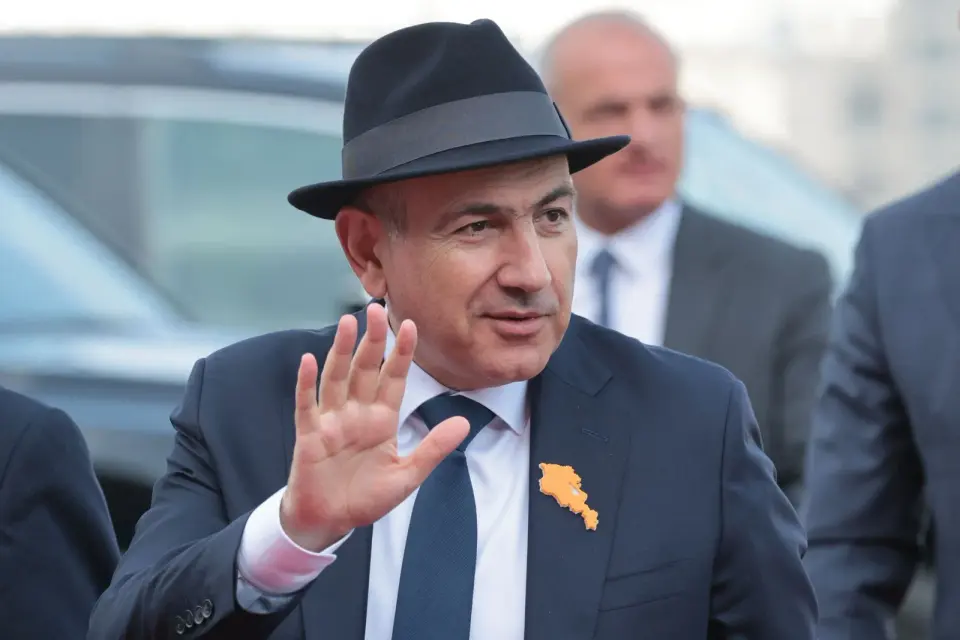
Armenian Prime Minister Nikol Pashinyan announced on November 26 that Yerevan plans to fully assume responsibility for its borders in the coming years, ending Russia's decades-long role in guarding the country's frontiers. While Russian personnel have already withdrawn from key crossings like Zvartnots Airport and the Agarak checkpoint, the full transition remains a staged process with no specific deadline. This move reflects a broader strategic pivot toward the European Union and away from Moscow, a shift that has drawn sharp criticism from Russian lawmakers who warn it could destabilize the region.
Key points
- Pashinyan stated that Armenia will gradually replace Russian border guards with its own forces, citing the need to 'fully assume responsibility' for border protection.
- Russian guards, operating under the FSB under a 1992 agreement, have already withdrawn from Zvartnots International Airport (August 2024), the Agarak crossing (January 2025), and the Margara crossing (February 2025).
- The transition is being managed in stages to ensure Armenian border troops have the necessary resources and capabilities, with no specific end date provided by Yerevan.
- The move coincides with Armenia's suspension of its role in the Russian-led CSTO in 2024 and its pursuit of closer ties with the European Union, including potential membership applications for 2027 or 2028.
- Russian lawmaker Viktor Vodolatsky warned that the withdrawal could trigger a civil war and threaten Armenia's sovereignty, accusing Pashinyan of severing traditional security ties.
Background
Armenia has been a member of the Russian-led Collective Security Treaty Organization (CSTO) since 2001, though it froze its participation in February 2024 after the alliance failed to provide security during conflicts with Azerbaijan. The 1992 bilateral agreement that placed Russian border guards on Armenia's Turkish and Iranian borders was a cornerstone of Moscow's security presence in the South Caucasus. In 2026, Armenia's Civil Contract party won parliamentary elections on a platform of European integration and reduced dependence on Russia. The current border transition follows a broader trend of Yerevan seeking to diversify its security and economic partnerships, including a historic strategic partnership with the United States and increased trade with the EU.
How outlets are covering it
The Kyiv Independent and UNITED24 Media frame the announcement as a deliberate, gradual step in Armenia's strategic pivot toward the West, emphasizing the 'gradual' nature of the withdrawal to avoid security gaps. SLDinfo highlights the economic and diplomatic context, noting that the border handover is part of a broader 'European turn' that includes new EU trade preferences. In contrast, the Russian outlet 'Военное дело' presents a starkly different perspective, with lawmaker Viktor Vodolatsky warning that the withdrawal is a 'destructive policy' that could lead to civil war and a loss of sovereignty, drawing parallels between Pashinyan and Ukrainian President Zelensky. The outlets differ significantly in their assessment of the risks and benefits of the transition, with Western and Armenian sources viewing it as a necessary step for sovereignty and European integration, while Russian sources view it as a dangerous break from traditional security alliances.
Why it matters
The withdrawal of Russian border guards is a symbolic and practical shift in the security architecture of the South Caucasus. It signals a move away from Moscow's traditional sphere of influence and toward a more independent, European-oriented security posture for Armenia. The transition could affect regional stability, particularly in relations with Azerbaijan and Turkey, and may influence the broader geopolitical balance in the region. It also reflects the changing dynamics of the Russia-Armenia relationship, which has been strained by Armenia's decision to freeze its CSTO participation and its pursuit of closer ties with the West.
What to watch
The next steps will involve the continued, staged handover of border sections to Armenian forces, depending on the capacity of the National Security Service's Border Troops. The pace of this transition will be a key indicator of Armenia's ability to maintain security while reducing its dependence on Russia. Additionally, the move may influence the timing and terms of Armenia's potential application for EU membership, which Pashinyan has suggested could be realistic in 2027 or 2028. The reaction from Moscow and the broader international community will also be a factor in the coming months.
- Armenia plans full withdrawal of Russian border guards in coming years, prime minister says The Kyiv Independent
- Pashinyan Wants Armenia to Fully Replace Russian Border Guards in Coming Years UNITED24 Media
- Russian Border Guard Withdrawal Risks Armenian Civil War Военное дело
- Armenia Begins Taking Back Its Turkish and Iranian Frontiers From Russian Border Guards SLDinfo.com
- Issues related to the transformation of the Border Service were discussed under the chairmanship of the Prime Minister Radar.am
Want the full story? Read the original reporting
Read on The Kyiv Independent