
Hungary's New Government Dismantles Orbán's System in Months
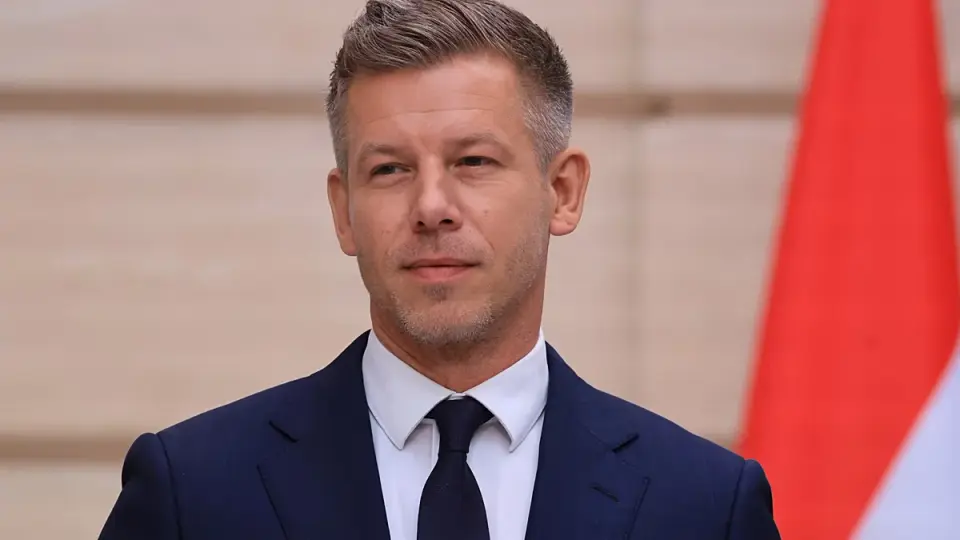
Following a landslide victory in April 2026, Péter Magyar’s Tisza Party used a two-thirds parliamentary majority to rapidly dismantle Viktor Orbán’s political system. Key actions included removing President Tamás Sulyok, capping political mandates, and establishing an asset recovery office to investigate corruption. While the EU welcomed these rule-of-law reforms, critics argue the process lacked democratic consultation and targeted opposition figures.
Key points
- Tisza secured a two-thirds majority in the April 2026 election, enabling constitutional changes.
- President Tamás Sulyok was removed from office in July 2026 via a constitutional amendment.
- A new Asset Recovery Office was created to investigate Orbán-era corruption and recover state assets.
- The 17th Amendment to the Fundamental Law capped MP mandates at 12 years and prime ministerial terms at eight years.
- State media MTVA aired an apology and was restructured, while pro-Fidesz outlets faced financial collapse.
Background
Hungary had been under Viktor Orbán’s rule since 2010, during which he established the 'System of National Cooperation' (NER) to centralize power. Previous coverage noted that Magyar’s government moved quickly to remove Orbán-aligned officials, including the president and chief prosecutor, to restore checks and balances. The EU had frozen €16.4 billion in funds due to rule-of-law concerns, which were released in exchange for these reforms.
How outlets are covering it
Euronews highlights the speed of the dismantling, noting that key pillars of Orbán’s regime fell within months. ConstitutionNet criticizes the rushed procedural nature of the 17th Amendment, arguing that the five-day public comment period was insufficient and that some measures, like the 12-year MP cap, disproportionately affect opposition members. EUobserver notes that while Tisza’s support has dipped slightly, Orbán’s Fidesz party remains in crisis, with key figures withdrawing from public life. Fidesz leaders, including Balázs Orbán, argue that the removal of the president and ban on veteran politicians violate democratic principles, while the EU Commission has broadly welcomed the changes as a 'radical change' toward rule of law.
Why it matters
The rapid restructuring of Hungary’s political and legal institutions signals a significant shift in the country’s governance model. The success or failure of the new constitutional process will determine whether Hungary moves toward a more liberal democracy or faces new political instability. The outcome also impacts Hungary’s relationship with the EU and its access to funding.
What to watch
The drafting of a new constitution is expected to take at least 18 months, with a referendum planned. The Asset Recovery Office will continue investigating corruption cases, including those involving Orbán’s inner circle. The political landscape will be shaped by the outcome of these investigations and the new constitutional framework.
- How Péter Magyar dismantled Viktor Orbán's built-to-last regime Euronews.com
- Life after Orban: Hungary Inc digs in as new political era takes hold Reuters
- Temporary fixes and long-term commitments: Hungary’s 17th Amendment to the Fundamental Law ConstitutionNet
- A purge against Orbán-era billionaires could begin this autumn (Day 80 of the Tisza government in Hungary) EUobserver
- The Constitutional Coup and the Building of an Authoritarian Regime in Hungary The European Conservative
Want the full story? Read the original reporting
Read on Euronews.com