
Mahmood to announce revised settlement rules, likely exempting care workers from 15-year wait
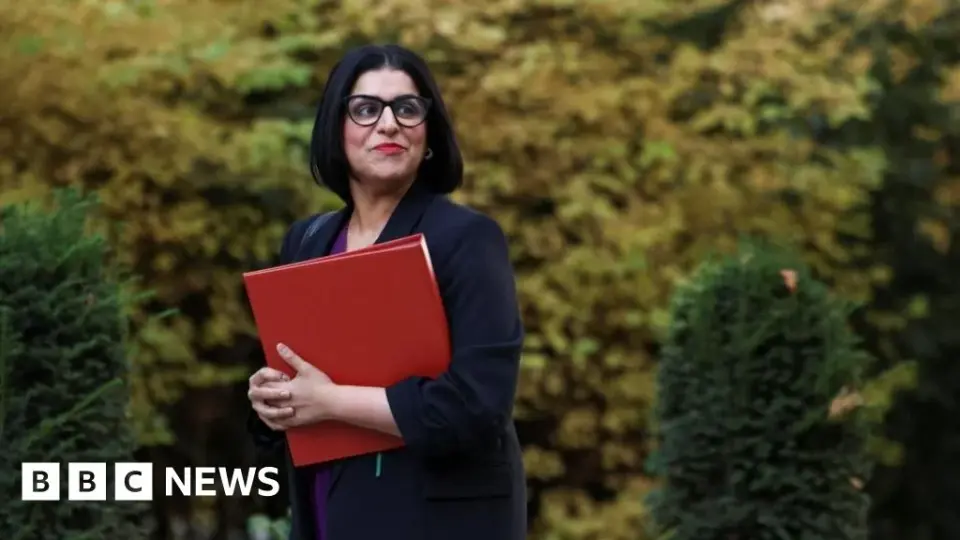
Home Secretary Shabana Mahmood is set to announce final changes to indefinite leave to remain (ILR) rules on Monday. While initial proposals extended the wait for permanent settlement from five to 10 years, with a 15-year wait for lower-paid workers, the BBC reports the government is likely to revise these terms for social care staff. This move follows intense internal Labour party conflict, with Housing Secretary Angela Rayner criticizing the retrospective application of rules to migrants already in the UK. The decision comes amid data showing net migration added 2.6 million people to the UK population between 2021 and 2024, and forecasts that 1.6 million people could settle between 2026 and 2030.
Key points
- Mahmood will present her final decision on ILR changes in a statement to the House of Commons on Monday.
- The BBC understands the proposals are likely to be revised for most workers currently in the social care sector, potentially exempting them from the extended wait.
- Initial proposals, launched under former Prime Minister Sir Keir Starmer, sought to extend the settlement wait from five to 10 years, with some lower-paid migrants facing 15 years.
- Housing Secretary Angela Rayner criticized the original plan as changing the goalposts for migrants already in the UK, leading to accusations that Mahmood capitulated to her.
- The Home Office cited net migration figures of 2.6 million between 2021 and 2024 as justification for the initial tightening of rules.
- The Institute for Public Policy Research (IPPR) argues that skilled workers settling in the UK will make a net lifetime fiscal contribution of approximately £115 billion.
Background
This development follows a period of significant internal Labour party division over immigration policy, as noted in our September 2026 archive. In late September, Housing Secretary Angela Rayner publicly challenged Home Secretary Shabana Mahmood’s proposal to extend residency requirements, labeling the retrospective application of rules as 'un-British.' The cabinet rift intensified ahead of the Labour annual conference, with Prime Minister Andy Burnham reportedly considering exemptions to mitigate the split. The current announcement represents the resolution of that internal conflict, moving from the initial consultation phase to a final policy decision that balances fiscal concerns with the practical needs of the social care sector.
How outlets are covering it
Outlets differ significantly in their framing of the outcome. The BBC reports that the proposals are likely to be revised for social care workers, suggesting a compromise that addresses the concerns raised by Angela Rayner and other Labour MPs. In contrast, The Guardian portrays the situation as a 'u-turn,' with Conservative shadow home secretary Chris Philp accusing Mahmood of surrendering to the 'open-borders Labour left' and allowing low-wage migrants to stay forever. The Telegraph was inaccessible due to a security block, so its perspective could not be analyzed. The IPPR provides a counter-narrative to the Home Office’s fiscal arguments, arguing that while care workers may be a net cost, the broader cohort of skilled workers will contribute £115 billion to the economy, suggesting the original strict measures may have been counterproductive.
Why it matters
The final ILR rules will directly impact the UK’s labor market, particularly in the social care sector, where vacancies are rising and foreign recruitment is falling. The King’s Fund warns that recruitment of foreign care workers is on course to drop to just 10,000 in 2026/27, exacerbating a skills shortage. The decision also has significant fiscal implications, with the Home Office estimating a £9.5 billion lifetime cost for care workers settling between 2026 and 2030, while the IPPR argues the broader economic contribution is positive. This policy shift reflects the tension between controlling net migration and maintaining essential public services, with potential long-term effects on the UK’s demographic and economic stability.
What to watch
Mahmood is expected to deliver her statement to MPs at 3:30 pm on Monday. Following the announcement, the government will likely face scrutiny from opposition parties, particularly the Conservatives and Reform UK, who have already criticized the perceived softening of the stance. The King’s Fund and other think tanks will monitor the impact on care worker recruitment, which is already declining. The Independent review into the murder of student Henry Nowak, also announced by Mahmood, will proceed separately, but the ILR decision will likely dominate the political discourse in the coming weeks.
- Shabana Mahmood to set out changes to settlement rules for legal migrants BBC
- Tories accuse Shabana Mahmood of ‘U-turn’ on indefinite leave to remain policy – UK politics live The Guardian
- UK to unveil migrant settlement overhaul after months of debate Reuters
- Burnham: It’s difficult to say whether migration is too high The Telegraph
- Shabana Mahmood told skilled migrants ‘contribute more than they cost’ The Times
Want the full story? Read the original reporting
Read on BBC