
Meloni Proposes School Veil Ban and Foreign Student Caps Ahead of 2027 Election
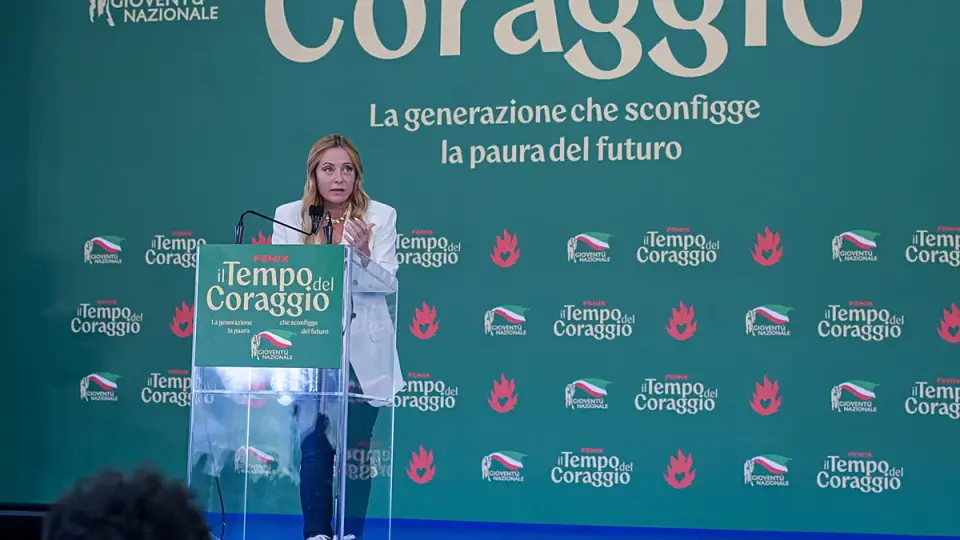
Italian Prime Minister Giorgia Meloni announced a new legislative package to ban burqas and niqabs in schools and cap the number of foreign students per class. The measures, presented at a youth rally, aim to address integration challenges ahead of the 2027 general election, where her party faces rising competition from far-right rivals. While the government argues these steps are necessary for social cohesion, critics and legal experts warn that the proposals may violate constitutional rights and fail to address underlying educational funding issues.
Key points
- Meloni’s government is preparing a bill to ban full-face veils (burqas and niqabs) in Italian schools, aligning with similar restrictions in France and Belgium.
- The proposal includes a statutory cap on the number of foreign pupils per class, a move that would make Italy the first European country to adopt such a rule, according to Euronews.
- Parents of foreign students facing 'serious difficulties integrating' would be required to learn Italian, a condition Meloni described as essential for successful integration.
- Foreign students currently account for 11.6% of enrollment in Italian schools, according to Fondazione ISMU, though a 30% limit already exists in a 2010 ministerial circular.
- The announcement comes as Meloni’s party faces increasing competition from the National Future party, led by retired general Roberto Vannacci, which advocates for even stricter measures.
Background
Italy has been a focal point for migration in Europe due to its central Mediterranean location, making integration a highly divisive political issue. Previous legislative attempts, including a 1975 law banning face coverings in public places and a 2010 circular limiting foreign students to 30% of class sizes, have often gone unenforced due to local demographic conditions. The current proposal builds on recent initiatives, such as a July resolution by the National Future party and a March bill by the League party, which sought to criminalize forcing individuals to conceal their faces. The upcoming 2027 general election is expected to intensify debates over immigration and cultural integration, with Meloni’s government seeking to consolidate its position against rising far-right challengers.
How outlets are covering it
Euronews highlights the constitutional concerns raised by legal experts, noting that Article 34 of the Italian Constitution guarantees access to education for all, including foreign children. CNN emphasizes the political context, framing Meloni’s announcement as an effort to bolster her right-wing credentials ahead of the 2027 election, particularly in the face of competition from the National Future party. Al Jazeera focuses on the practical implications, noting that while a 30% limit on foreign students already exists, Meloni did not specify how the new cap would differ or be enforced. AP News provides a neutral overview, detailing the specific measures proposed, including the ban on veils and mandatory Italian language lessons for parents, while noting the lack of detail on the exact cap for foreign students.
Why it matters
The proposed measures could set a precedent for stricter integration policies across Europe, potentially influencing similar debates in other countries. The ban on veils and cap on foreign students may exacerbate tensions between immigrant communities and the Italian state, while also raising questions about the effectiveness of such policies in promoting genuine integration. As Italy approaches the 2027 election, these proposals are likely to shape the political landscape, with far-right parties pushing for even more restrictive measures and opposition groups arguing that the focus should be on improving educational resources and teacher salaries rather than imposing symbolic restrictions.
What to watch
The legislative package is expected to be presented to the Italian cabinet in the coming weeks, after which it will need parliamentary approval within 60 days to become law. The outcome of the 2027 general election will likely determine whether these measures are implemented or modified, with the National Future party expected to push for even stricter policies if it gains significant support. Legal challenges may also arise, particularly regarding the constitutionality of the foreign student cap and the ban on veils, as experts argue that such measures could infringe on fundamental rights.
- Meloni announces ban on burqa and niqab in Italian schools, cap on foreign students Euronews.com
- Italy to ban veils in schools, limit foreign students per class, Meloni says CNN
- Meloni promises to ban burqas, niqabs in Italy’s schools Al Jazeera
- Meloni plans to ban burqas and niqabs in Italian schools, and cap foreign students in classrooms apnews.com
- Meloni promises to ban veils in Italian schools and limit foreign students politico.eu
Want the full story? Read the original reporting
Read on Euronews.com