
Merz threatens to veto EU budget unless all states fund Ukraine
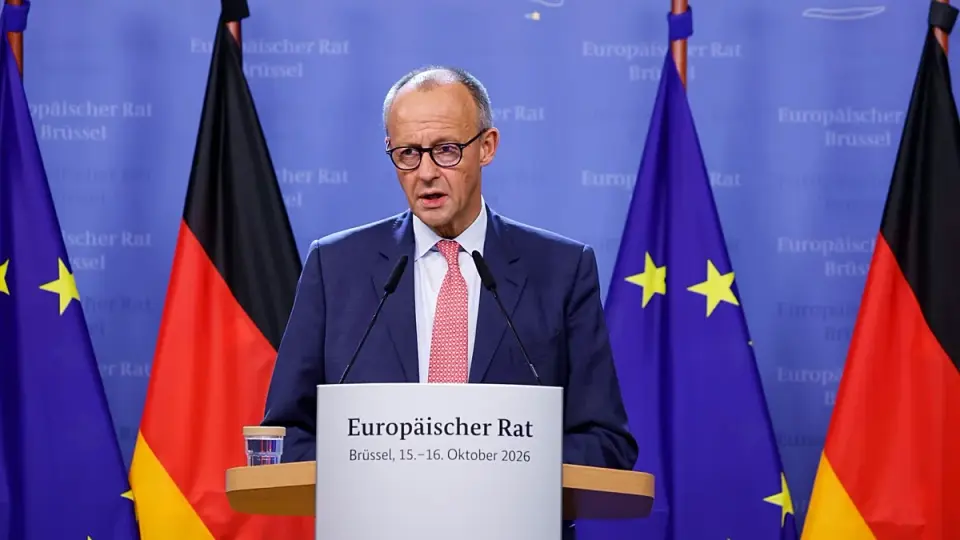
German Chancellor Friedrich Merz has linked approval of the EU’s 2028-2034 budget to a unanimous commitment to fund Ukraine’s 2027 shortfall. Kyiv faces a €70 billion gap, with the EU pledging €45 billion. Merz demands a multi-year financing solution, including interest on existing loans, to prevent future vetoes by Hungary, Slovakia, Czechia, and Bulgaria.
Key points
- Merz stated that a collective commitment to close Ukraine's financing gap is a prerequisite for discussing the EU's long-term budget.
- Ukraine faces a €70 billion shortfall in 2027 due to Russian airstrikes, with the EU promising to cover approximately €45 billion.
- Hungary, Slovakia, Czechia, and Bulgaria have signaled they will not contribute to new joint debt for Kyiv, having previously secured opt-outs from interest payments on the €90 billion loan.
- Merz seeks to change voting rules to qualified majority for future Ukraine aid to prevent individual vetoes, while Poland and Slovakia warn that linking the issues could stall negotiations.
- The European Commission is preparing options, including new joint borrowing, for a special summit in Dublin at the end of the month.
Background
This dispute follows an October 2026 summit where EU leaders failed to agree on Ukraine's 2027 funding needs, deferring decisions to later sessions. In early October, Merz pledged €1.3 billion in aid to Kyiv amid intensified Russian strikes. The current standoff highlights ongoing tensions between 'frugal' nations seeking budget cuts and 'cohesion' countries defending spending levels, with Germany leveraging its status as the largest net contributor to force broader participation.
How outlets are covering it
Euronews and the Financial Times emphasize Merz's ultimatum as a strategic move to force burden-sharing, noting that Germany and other 'frugal' states like Denmark and the Netherlands view Ukraine support as indivisible European security. Conversely, Poland's deputy minister and Slovak Prime Minister Robert Fico argue that linking the budget to Ukraine aid is 'dangerous' and could make a final deal more difficult. Kyiv Post highlights the technical shift from unanimity to qualified majority voting as a key German demand to bypass future vetoes, while noting that non-EU partners like Britain and Canada are being pressured to increase contributions.
Why it matters
The outcome determines whether the EU can secure long-term financial stability for Ukraine and pass its multiannual budget. A failure to reach consensus could leave Kyiv with a massive funding gap, potentially undermining its defense capabilities and the EU's internal cohesion, while setting a precedent for how future security-related expenditures are financed across member states.
What to watch
The European Commission will present financing options ahead of a special summit at the end of November. Merz has requested that the topic be prioritized at the informal Dublin summit this week. Negotiations will focus on whether to use new joint debt or other instruments to cover the €45 billion pledge, with member states debating the feasibility of moving away from unanimity requirements for future aid.
- No deal on Ukraine aid? Then no deal on EU budget, Merz says Euronews.com
- Germany issues ultimatum to secure Ukraine funding Financial Times
- German chancellor warns he will block EU budget unless all member states agree to fund Ukraine Yahoo
- Merz Says Germany May Block EU Budget Over Ukraine Funding Bloomberg.com
- Merz Threatens to Block EU Budget Unless Every Member Helps Fund Ukraine Kyiv Post
Want the full story? Read the original reporting
Read on Euronews.com