
Midterm Voters Seek Change as Trump Faces Approval Slump
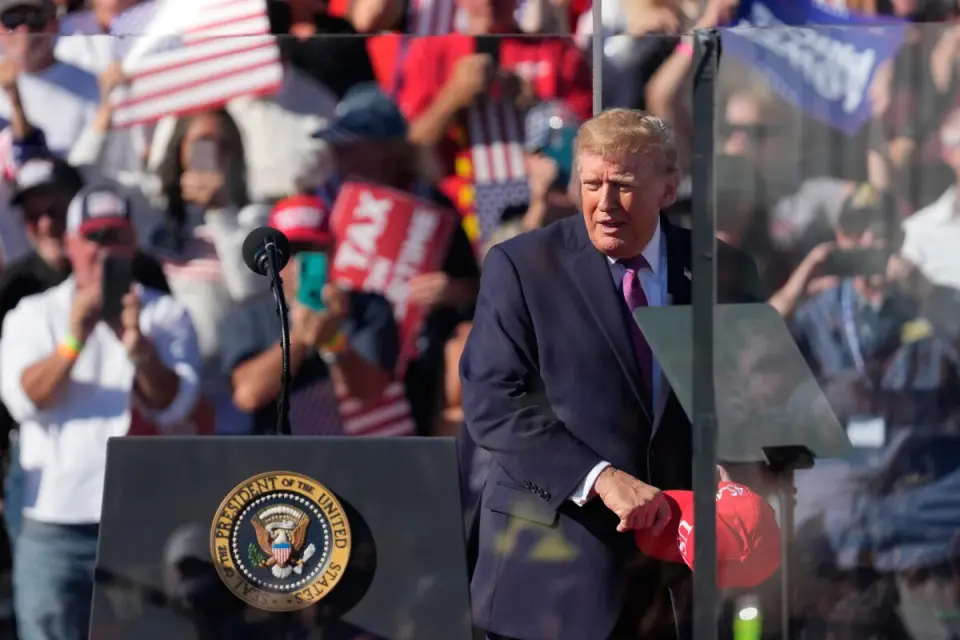
American voters are demanding change ahead of the 2026 midterm elections, with President Donald Trump facing significant polling struggles. Recent data indicates that a notable portion of his own base supports Republican candidates distancing themselves from the president to secure victories. This shift is driven by frustration over high gas prices, inflation, and the ongoing conflict with Iran. While Vice President JD Vance urges voters to give the GOP another chance, the party faces a difficult path to mobilize traditional conservatives, who are significantly less likely to vote than Trump’s core supporters. The administration’s economic mismanagement and unpopular foreign policy decisions have created a challenging environment for Republican candidates in key states.
Key points
- 26% of 2024 Trump voters support GOP candidates breaking from the president to win midterms.
- Voter frustration is driven by high gas prices, inflation, and the Iran conflict.
- Traditional conservatives are 26 points less likely to vote than Trump's base.
- Vice President JD Vance is urging voters to give the GOP a 'second chance' despite low approval ratings.
- Democrats hold a significant advantage in generic congressional ballot polls.
Background
This development follows earlier reports in September 2026 where Vice President JD Vance pleaded for a 'second chance' for the GOP amid struggling polling and turnout. At that time, the party was already facing criticism for economic mismanagement and an unpopular war in Iran. Additionally, in October 2026, Democrats challenged emergency changes to overseas voter forms by the Trump administration, highlighting ongoing tensions over election procedures ahead of the midterms. These events underscore the broader political friction and voter dissatisfaction that have culminated in the current polling slump for President Trump.
Why it matters
The midterm elections are critical for determining the balance of power in Congress and shaping the legislative agenda for the remainder of the term. A significant portion of Trump's base supporting distance from the president signals deep internal party divisions and potential electoral vulnerability for Republicans. This could impact the administration's ability to pass key policies and influence future political dynamics. Understanding voter sentiment is essential for predicting election outcomes and assessing the political stability of the current administration.
What to watch
Republican candidates in key states are likely to adopt independent messaging to appeal to voters frustrated with the president. The GOP will need to focus on mobilizing traditional conservatives, who are currently less likely to vote than Trump's base. Expect increased debate within the party over strategy and messaging as the midterms approach. Additionally, the administration may face continued challenges in managing economic issues and foreign policy, which could further impact voter sentiment.
Want the full story? Read the original reporting
Read on AP News