
EU Summit Stalls as Costa Faces Backlash Over Energy and Budget Deadlocks
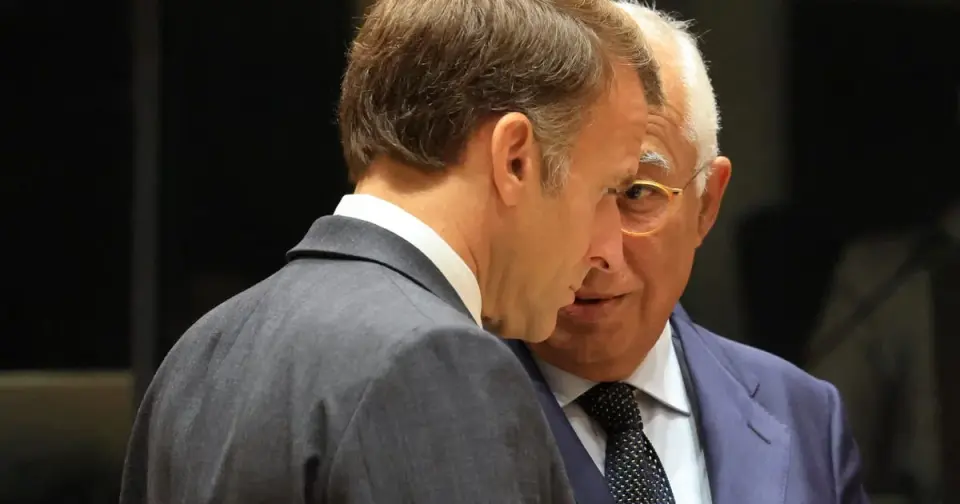
European Council President António Costa faced intense criticism at a recent summit for failing to resolve deep divisions over energy pricing and the EU’s seven-year budget. While leaders reached a tentative agreement on migration, the summit ended in stalemate on key economic issues, with Costa’s ability to broker a deal before national elections in 2027 now in question.
Key points
- The summit lasted 14 hours with no breakthrough on the Emissions Trading System (ETS2) or the Multiannual Financial Framework (MFF).
- Italy and the Visegrád Group (V4) pushed to delay ETS2 due to high energy costs, clashing with Germany, France, and Nordic states.
- Costa was criticized for losing control of negotiations, with some diplomats comparing his performance unfavorably to predecessors Charles Michel and Donald Tusk.
- Ukrainian President Volodymyr Zelenskyy secured a pledge for continued sanctions against Russia and requested an additional €70 billion in support for 2027.
- A special budget summit is scheduled for November 26, just days before Spanish elections, as Costa attempts to find a new compromise.
Background
This summit follows a period of heightened tension within the EU, where previous discussions on migration and Ukraine support had already exposed deep fractures. The current crisis is exacerbated by external pressures, including US President Donald Trump’s shifting stance on Russia and China’s growing trade dominance, which has forced the EU to accelerate its development of trade defense instruments.
How outlets are covering it
Politico emphasizes Costa’s personal failure to manage the room, citing anonymous diplomats who described the energy debate as 'insane chaos' and accused him of favoring southern countries in budget talks. Euronews frames the event as a broader institutional struggle, highlighting that while Costa is taking over budget negotiations, the Irish presidency’s proposed cuts are dead, and leaders are now openly skeptical about meeting year-end deadlines. Both sources agree that the energy dispute was driven by Italy and the V4, but Politico focuses on Costa’s lack of control, while Euronews notes that the V4 lacked the qualified majority to change rules, suggesting their move was largely symbolic for domestic audiences.
Why it matters
The inability to reach a consensus on energy and budget could lead to a no-deal scenario by December, potentially allowing negotiations to slip past the 2027 electoral season. This delay risks reshaping Europe’s political landscape and weakening the bloc’s ability to respond to global economic challenges, including the widening trade deficit with China and the ongoing war in Ukraine.
What to watch
Costa is expected to present a new budget compromise in the coming weeks, focusing on reducing national contributions and reworking EU-wide taxes. A special summit on the budget is confirmed for November 26. Meanwhile, the Commission is tasked with developing a proposal to address Ukraine’s €70 billion funding request and to create new trade defense tools against China, though the timeline for these measures remains uncertain.
- Costa angers EU leaders as splits mar summit POLITICO.eu
- Budget, Ukraine, migration: Five takeaways from the EU leaders’ summit Euronews.com
- EU resists bid to weaken emissions rules as leaders spar over energy costs Financial Times
- Remarks by President António Costa at the press conference following the European Council meeting of 15-16 October 2026 Consilium.europa.eu
- EU leaders kick off summit with wrangles over high energy prices and spending Reuters
Want the full story? Read the original reporting
Read on POLITICO.eu