
France erupts in nationwide unrest as student-led protests turn violent
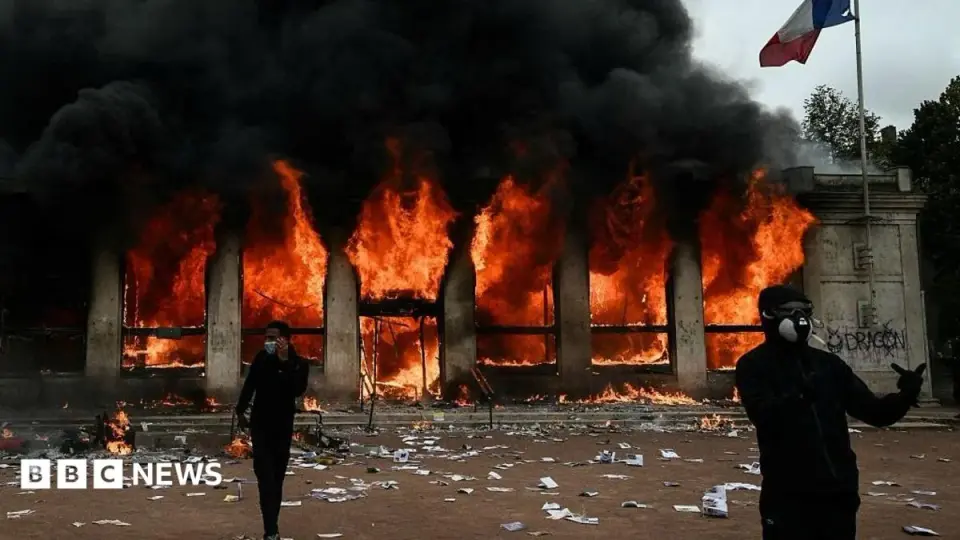
Tens of thousands of demonstrators took to the streets across France on October 17, 2026, marking a significant escalation in weeks of student-led unrest. While the main march in Paris remained largely peaceful, clashes erupted in multiple cities, including Lyon, Marseille, and Lille, where police deployed tear gas and water cannons. The French interior ministry reported 272 arrests and widespread damage to public buildings, including a fire at a Lyon tourism office and breaches of city halls. Political figures sharply divided on the nature of the unrest, with left-wing leaders describing calm mobilization while right-wing figures blamed far-left agitators for inciting violence. The protests, driven by grievances over school conditions, cost of living, and public spending cuts, have raised concerns about deeper societal instability ahead of the 2027 presidential elections.
Key points
- The French interior ministry confirmed 272 arrests nationwide and described an 'escalation in violence' during the October 17 protests.
- Approximately 33,000 people participated in 140 separate actions across the country, with major gatherings in Paris, Lyon, Nantes, and Rennes.
- Violence included fires at a Lyon tourism office, breaches of city halls in Marseille and Lille, and damage to a police station in Marseille.
- Police used tear gas and water cannons to disperse protesters, particularly in Paris and Lille, where clashes were most intense.
- Political leaders diverged on the nature of the protests, with left-wing figures emphasizing peaceful participation and right-wing figures blaming far-left groups for inciting violence.
Background
The current unrest follows weeks of student protests over deteriorating school conditions, which began in early October 2026. Previous demonstrations had already resulted in over 6,000 arrests and severe injuries, including the loss of a hand and an eye. President Emmanuel Macron had acknowledged the students' grievances but accused political forces of exploiting the unrest for electoral gain ahead of the 2027 presidential election. The government faces a fiscal crisis with high debt and deficit, limiting its ability to fund the requested €10 billion investment in schools. The October 17 protests represent a significant escalation, with a broader range of groups, including yellow vests and trade unions, joining the student-led movement.
Why it matters
The October 17 protests signal a potential shift from localized student unrest to a broader societal crisis, with grievances extending beyond school conditions to include cost of living, public spending cuts, and political disillusionment. The escalation in violence and the involvement of diverse groups, including yellow vests and trade unions, suggest that the unrest may have deeper roots and could impact the 2027 presidential elections. The government's inability to address the fiscal crisis and fund requested investments in schools has further fueled public discontent, raising concerns about long-term stability in France.
What to watch
The government is expected to face increased pressure to address the underlying grievances driving the protests, including funding for schools and public spending cuts. Political leaders may attempt to capitalize on the unrest for electoral gain ahead of the 2027 presidential elections. The situation could further escalate if the government fails to engage with the protesters' demands, potentially leading to more widespread unrest and violence. The outcome of the protests will likely influence the political landscape in France, with potential implications for the 2027 presidential elections.
Want the full story? Read the original reporting
Read on BBC