
Morocco's New Government: Historic First for Women, but Continuity in Power
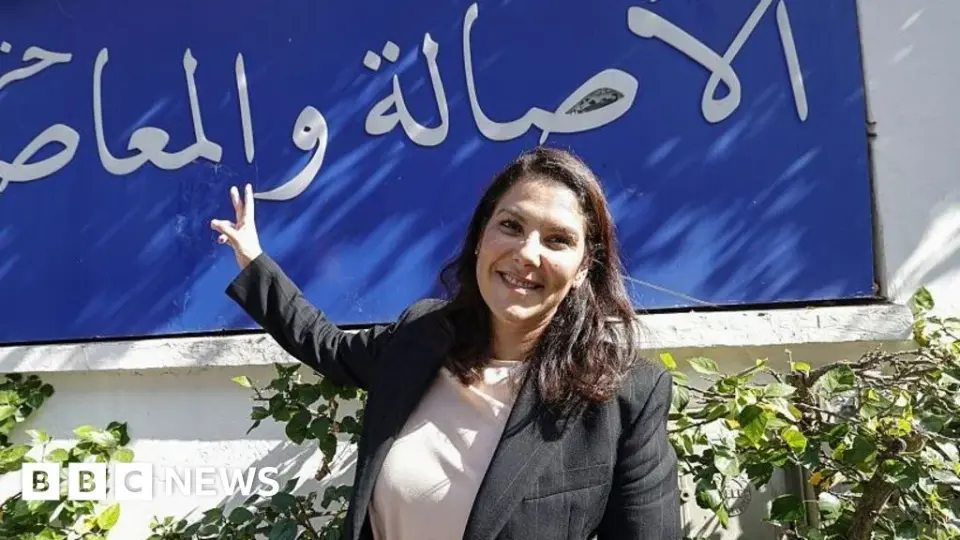
Fatima Zahra El Mansouri became Morocco's first female prime minister on October 16, 2026, leading a coalition government formed by her Authenticity and Modernity Party (PAM). While the appointment is historic, the new cabinet retains over 40% of its previous members, and key economic challenges remain, including a cost-of-living crisis and low voter turnout. Critics question whether the move signals genuine reform or serves as a tool for regime legitimation.
Key points
- El Mansouri, 50, was appointed by King Mohammed VI after PAM won the most seats in the September 23 parliamentary elections.
- The new government includes 32 ministers, with 40% retaining their previous roles, including finance minister Fouzi Lekjaa.
- Voter turnout was low, with 62% of eligible voters abstaining, raising questions about the mandate's legitimacy.
- El Mansouri has not yet indicated plans to reform the Moudawana family code, which governs marriage, divorce, and inheritance.
- The government faces economic headwinds, including rising energy costs, potential El Nino effects on agriculture, and the financial burden of hosting the 2030 FIFA World Cup.
Background
El Mansouri's appointment follows her party's victory in the September 23, 2026, parliamentary elections, where PAM won 97 seats but lacked the 198-seat majority needed to govern alone. She is the third woman to lead a government in the Arab world, following Tunisia's Najla Bouden and Sarra Zaafrani Zenzri. Her background includes serving as mayor of Marrakech and minister for national territory planning under the previous government led by Aziz Akhannouch.
How outlets are covering it
BBC highlights the symbolic significance of El Mansouri's appointment but notes persistent conservative resistance, including criticism from former justice minister Mustafa Ramid and public skepticism among older Moroccans. Al Jazeera emphasizes the continuity of power, noting that PAM, founded by a close associate of the king, retains many previous ministers and faces economic challenges. Le Monde points out that while El Mansouri is a historic first, women lost ground in the government hierarchy, and the cabinet is largely unchanged. All sources agree that the appointment is significant but question whether it will lead to substantive reforms, particularly in family law and women's rights.
Why it matters
The appointment of Morocco's first female prime minister is a symbolic milestone, but its impact on women's rights and social reform remains uncertain. The new government faces significant economic and political challenges, including low voter turnout, a cost-of-living crisis, and the need to balance modernization with traditional values. The outcome of El Mansouri's tenure will be a test of whether Morocco's political system can accommodate genuine change or if it will remain a tool for regime legitimation.
What to watch
El Mansouri will need to navigate coalition politics, address economic challenges, and potentially push for reforms in family law and women's rights. The government's ability to manage the cost of hosting the 2030 FIFA World Cup and address public concerns about inequality and corruption will be critical. Observers will watch whether El Mansouri can translate her party's modernizing rhetoric into concrete policy changes.
- Fatima El Mansouri: What can Morocco's first female prime minister change for women? BBC
- Morocco’s not-so-new government faces new challenges Al Jazeera
- Morocco's new government targets 5% growth in 2027-2031 Reuters
- Morocco forms new government, but, except for women, very little changes Le Monde.fr
- Morocco’s next chapter The Arab Weekly
Want the full story? Read the original reporting
Read on BBC