
Netanyahu Trial Judges Urge Dropping Bribery Charges, Citing Low Conviction Odds
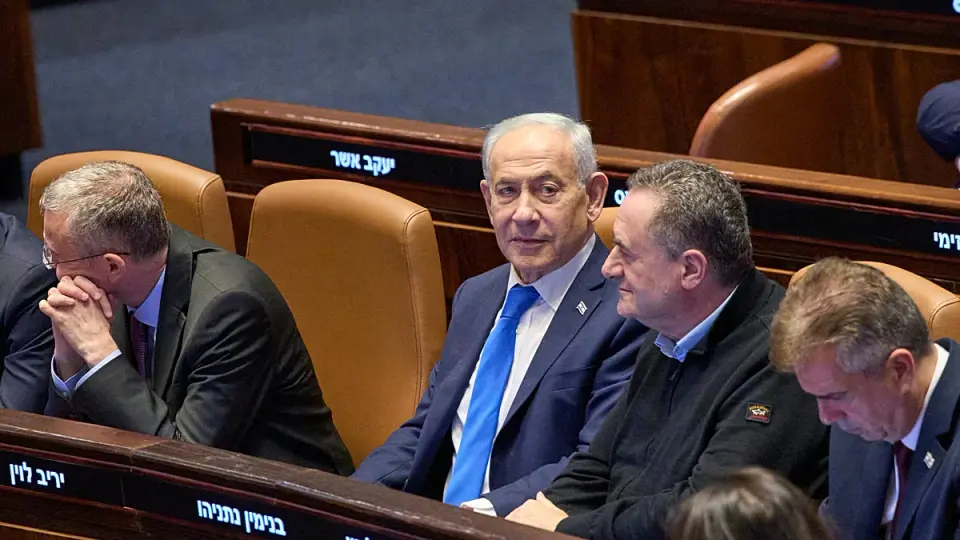
Judges in the Jerusalem District Court have recommended that prosecutors drop the most serious bribery charges against Israeli Prime Minister Benjamin Netanyahu, citing low prospects of conviction. The panel also questioned the criminal validity of a second case and suggested a plea deal for a third. Attorney General Gali Baharav-Miara stated she would review the recommendations, while Netanyahu called for the trial to end immediately. This development occurs as Israel remains without a formed government following the October 27 election, with opposition leader Gadi Eisenkot currently attempting to build a coalition.
Key points
- The Jerusalem District Court panel, led by Judge Rivka Friedman-Feldman, summoned Attorney General Gali Baharav-Miara on November 25, 2026, to express concerns about the strength of the prosecution's evidence.
- In Case 4000, which alleges Netanyahu granted regulatory favors to telecom company Bezeq in exchange for favorable coverage on the Walla news site, judges stated the chances of conviction are low, particularly regarding the bribery charge.
- The court questioned whether the conduct alleged in Case 2000, involving discussions with Yedioth Ahronoth publisher Arnon Mozes, actually constituted a criminal offense, urging prosecutors to present a structured legal argument.
- For Case 1000, concerning gifts from wealthy businessmen, the judges suggested prosecutors and the defense seek an agreement to conclude the proceedings, though a verdict remains an option.
- Netanyahu, who has denied wrongdoing in all three cases since his trial began in May 2020, called for the trial to end 'immediately,' describing the proceedings as 'ten years of terrible suffering.'
- The political implications are significant as Israel remains unable to form a government after the October 27 election; opposition leader Gadi Eisenkot’s bloc holds only 48 of 120 Knesset seats, short of the 61 needed for a majority.
Background
Netanyahu was first charged in 2019, becoming the first sitting Israeli prime minister to face a criminal trial when proceedings began in May 2020. The trial has been prolonged by the Israel-Gaza war and judicial reforms. Previous archive coverage from late November 2026 confirms the ongoing uncertainty in government formation and the legal challenges facing Netanyahu. The current judicial intervention marks a significant procedural shift, with judges explicitly stating their comments are not a verdict and do not automatically dismiss charges against other defendants, such as Shaul Elovitch.
How outlets are covering it
Euronews and BBC report that the judges have urged dropping the bribery charge in Case 4000 and questioned the criminal nature of Case 2000. Al Jazeera emphasizes the unprecedented nature of the judges' intervention before the prosecution had fully presented its arguments and notes the political tension between Netanyahu and Attorney General Baharav-Miara. The Jerusalem Post provides detailed legal reasoning, highlighting doubts about the testimony of former Communications Ministry director-general Shlomo Filber and the lack of proof regarding 'unusual responsiveness' to coverage requests. All sources agree that no charges have been formally dismissed yet, and the decision rests with the Attorney General.
Why it matters
The judicial recommendation could significantly weaken Netanyahu’s legal standing, potentially impacting his ability to form a coalition or maintain political power. It also highlights the deep divisions in Israeli politics, with opposition leaders like Gadi Eisenkot attempting to form a government while Netanyahu’s legal challenges persist. The outcome will influence public perception of the judiciary and the integrity of the legal process in Israel.
What to watch
Attorney General Gali Baharav-Miara is expected to review the judges' recommendations and decide whether to drop or continue the charges. Netanyahu’s defense team has called for criminal mediation. The political landscape remains fluid as Gadi Eisenkot continues coalition negotiations, with a deadline approaching for forming a government. If no government is formed, new elections may be called within a 90-day window.
- Judges urges dropping of key charges in Netanyahu trial Euronews.com
- Israeli judges recommend dropping most serious charges against Netanyahu BBC
- Netanyahu’s corruption trial: Is it really all over? Al Jazeera
- Judges in Israel Suggest Dropping Key Corruption Case Against Netanyahu The New York Times
- Benjamin Netanyahu trial judges suggest dropping Case 4000 with Attorney-General in attendance The Jerusalem Post
Want the full story? Read the original reporting
Read on Euronews.com