
Netanyahu Warns Against Arab Coalition as Eisenkot Secures Ra'am Support for 56-Seat Majority
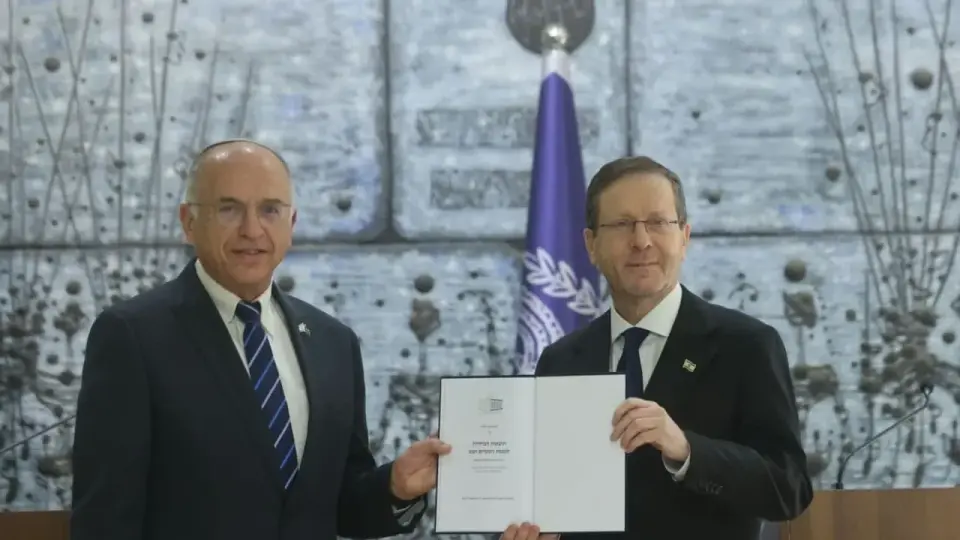
Following the October 27, 2026, election deadlock, President Isaac Herzog received official results on November 4, initiating government formation talks. Ra'am party leader Mansour Abbas recommended Gadi Eisenkot as the candidate to form a government, securing support for 56 MKs. Netanyahu warned that a coalition with Islamist parties would weaken Israel’s security. United Torah Judaism declined to recommend a prime ministerial candidate. Simultaneously, the Shin Bet is investigating allegations of foreign funding for Arab parties, a claim disputed by party leaders.
Key points
- President Herzog received the official results of the 26th Knesset election on November 4, confirming no party bloc holds the 61-seat majority required to govern.
- Ra'am party leader Mansour Abbas recommended Gadi Eisenkot to form the next government, noting that this alliance would command 56 seats in the Knesset.
- Prime Minister Benjamin Netanyahu argued that a government dependent on Islamist parties cannot effectively confront radical Islam and would undermine Israel's Jewish identity.
- United Torah Judaism announced it would not recommend any candidate for the prime ministerial role to President Herzog.
- The Shin Bet is investigating allegations that foreign entities, including Qatar and Turkey, funneled money to influence Arab voter turnout, a claim dismissed by Hadash leader Ayman Odeh as political persecution.
Background
The current negotiations follow the October 27, 2026, election, which resulted in a stalemate where neither the incumbent right-wing bloc nor the centrist opposition secured a majority. Arab parties achieved record turnout and gained significant influence, holding the balance of power in a fragmented parliament. Previous coverage highlighted four potential paths for government formation, including a unity government or a repeat vote, amid concerns over security and domestic stability.
Why it matters
The outcome of these coalition talks will determine whether Israel forms a new government with Arab party support or faces a prolonged political crisis. The involvement of Arab parties in a coalition is a historic shift that could alter domestic policy and security strategies, while the ongoing investigation into foreign funding raises questions about the integrity of the electoral process.
What to watch
President Herzog will continue consultations with Knesset factions to decide who receives the mandate to form a government. The outcome depends on whether Eisenkot can secure additional support beyond the 56 seats currently indicated by the Ra'am recommendation, or if Netanyahu can assemble a right-wing coalition without Arab participation.
Want the full story? Read the original reporting
Read on The Jerusalem Post