
Netanyahu’s AI Campaign Targets Arab Voters as Palestinian Israelis Face Crime Surge
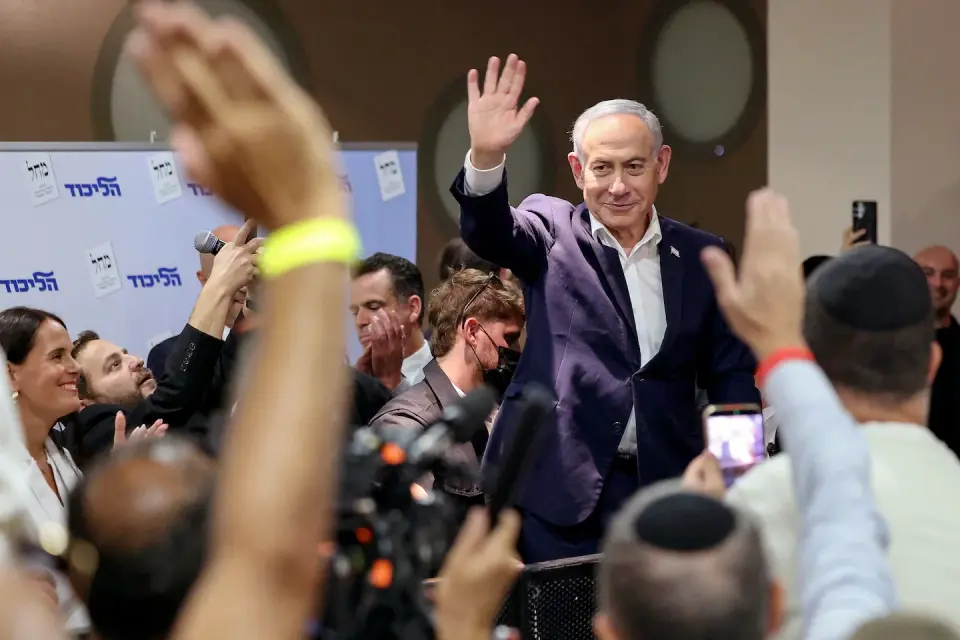
As the October 27 Israeli election approaches, Prime Minister Benjamin Netanyahu is deploying artificial intelligence tools to delegitimize Arab-led political parties. These parties are projected to be decisive kingmakers in a deadlocked race. Meanwhile, Palestinian citizens of Israel report a surge in local crime and view voting as their primary mechanism to demand change and counter Netanyahu’s rhetoric.
Key points
- Netanyahu is using artificial intelligence to create content that delegitimizes Arab political parties ahead of the October 27 vote.
- Arab-led parties are expected to win approximately 13 seats and serve as critical kingmakers, as neither the Netanyahu coalition nor the opposition bloc can secure the 61 seats required for a majority.
- Palestinian citizens of Israel are facing a surge in crime and state that voting is their only effective way to demand change and influence policy.
- The election is viewed as a referendum on Netanyahu’s leadership following the 2023 Hamas attacks and subsequent regional conflicts.
- Tens of thousands of expatriates are returning to vote, adding to the uncertainty of the outcome in a proportional representation system.
Background
Recent coverage has highlighted a tight race between Netanyahu and centrist Gadi Eisenkot, with polls showing neither bloc can achieve a majority. Arab parties and ultra-Orthodox factions have been identified as potential kingmakers. The election follows a significant rightward shift among young voters driven by fear and the aftermath of the October 7, 2023 attacks, while center-left parties face declining support and physical harassment.
Why it matters
The outcome of the October 27 election could determine whether Netanyahu remains in power or if a coalition reliant on Arab party support emerges. The use of AI to target minority voters and the reported crime surge among Palestinian citizens highlight deepening social and political tensions in Israel. The election’s result will likely shape Israel’s domestic policies and its approach to regional conflicts in the aftermath of the 2023 attacks.
What to watch
Voting takes place on October 27. Coalition negotiations will follow, where Arab-led parties may play a decisive role in forming a government. The impact of Netanyahu’s AI-driven campaign on voter turnout and sentiment among Arab Israelis will be closely monitored in the coming days.
- Netanyahu casts Arab parties as a threat. They could be key to his defeat. The Washington Post
- How Israel's Election Could Unfold The New York Times
- Tens of thousands of Israelis living abroad are expected to fly in for pivotal vote The Boston Globe
- Disenchanted Netanyahu supporters are prize of Israel election campaign Reuters
- Israel’s New Center of Gravity WSJ
Want the full story? Read the original reporting
Read on The Washington Post