
Palace Aide: King Embraces 'Politically Charged' Caribbean Diplomacy Amid Slavery Debate
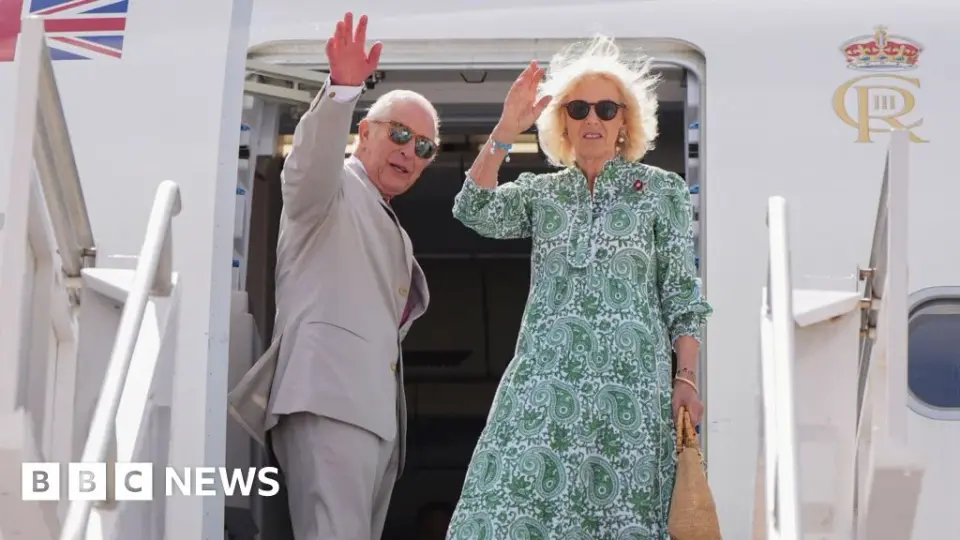
A senior palace aide stated that King Charles III actively seeks out difficult diplomatic missions, describing his recent nine-day tour of the Bahamas, Guyana, and Antigua and Barbuda as a 'great secret weapon' for the UK government. The visit focused heavily on the transatlantic slave trade, with leaders demanding reparations and Prime Minister Andy Burnham signaling openness to a formal apology. While the King expressed deep sorrow regarding slavery, the Palace maintained that policy decisions rest with the elected government. The aide emphasized that the monarch relishes the 'tough parts' of his role, including navigating complex political issues and maintaining relationships with nations considering a transition to republics.
Key points
- A senior palace aide described the King's Caribbean tour as a 'complex' but 'successful' demonstration of statecraft, noting that the monarch relishes 'politically charged' deployments.
- The nine-day visit included stops in the Bahamas, Guyana, and Antigua and Barbuda, where leaders demanded reparatory justice for the slave trade.
- Prime Minister Andy Burnham announced mid-tour that the UK is open to apologizing for slavery but rejected financial reparations, proposing debt relief instead.
- The Palace confirmed it was informed 'in a timely manner' about the government's shift in position, emphasizing that the King does not make policy.
- The aide noted that the King and Queen, both in their late seventies, managed the grueling schedule, including engagements in 35C heat and a viral incident where the King was caught in a downpour in Antigua.
- The Palace reiterated that the royal family will serve Commonwealth nations as long as they are wanted, referencing Barbados's 2021 transition to a republic as a precedent for a 'divorce' without rancor.
Background
This tour follows earlier tensions involving the Sussexes and Prince Harry, who have faced criticism for defying royal protocols during recent UK charity tours. The current diplomatic focus on slavery reparations contrasts with previous internal family disputes, highlighting the monarchy's external diplomatic challenges. The King's recent cancer treatment and advanced age have raised questions about his capacity for such rigorous tours, though palace sources emphasize his stamina and enjoyment of the role.
How outlets are covering it
BBC and ITVX sources align on the narrative that the King thrives on difficult diplomatic missions, with the BBC aide calling the tour a 'secret weapon' and ITVX sources describing the King as someone who 'does his job properly.' Both outlets highlight the tension between the King's emotional expressions of sorrow over slavery and the constitutional separation from policy-making. While BBC focuses on the King's 'statecraft' and the government's use of him as a diplomatic tool, ITVX emphasizes the physical rigors of the tour and the King's humor in handling mishaps like the rain incident. Both sources agree that the Palace was not blindsided by Burnham's apology stance, though they differ slightly in emphasis on the 'stoicism' required by the monarchs.
Why it matters
The tour underscores the evolving role of the monarchy in addressing historical injustices, particularly slavery, without overstepping into policy. It highlights the delicate balance between the King's personal diplomacy and the government's political decisions, as well as the potential for Commonwealth nations to transition to republics. The outcome of the slavery apology talks could influence UK-Caribbean relations and the future of the Commonwealth.
What to watch
The UK government is expected to engage in 'time-bound' talks with Caribbean and African nations regarding a formal apology for slavery, as signaled by Prime Minister Andy Burnham. The outcome of these discussions will determine whether a formal apology is issued, potentially impacting diplomatic relations and the status of the monarchy in Commonwealth nations. The King's continued engagement in such politically charged situations may set a precedent for future royal tours.
- King relishes 'politically charged' deployments, Palace aide says BBC
- UK sending King Charles into political fray as its 'secret weapon', aide says Reuters
- Palace ‘fully open’ to realms removing King Charles as head of state The Times
- How is King Charles III doing? The Economist
- 'It's what he was born to do': Senior courtier on a challenging royal tour | ITV News ITVX
Want the full story? Read the original reporting
Read on BBC