
Paraguay moves ex-President Peña to military prison amid Ueno Bank crisis
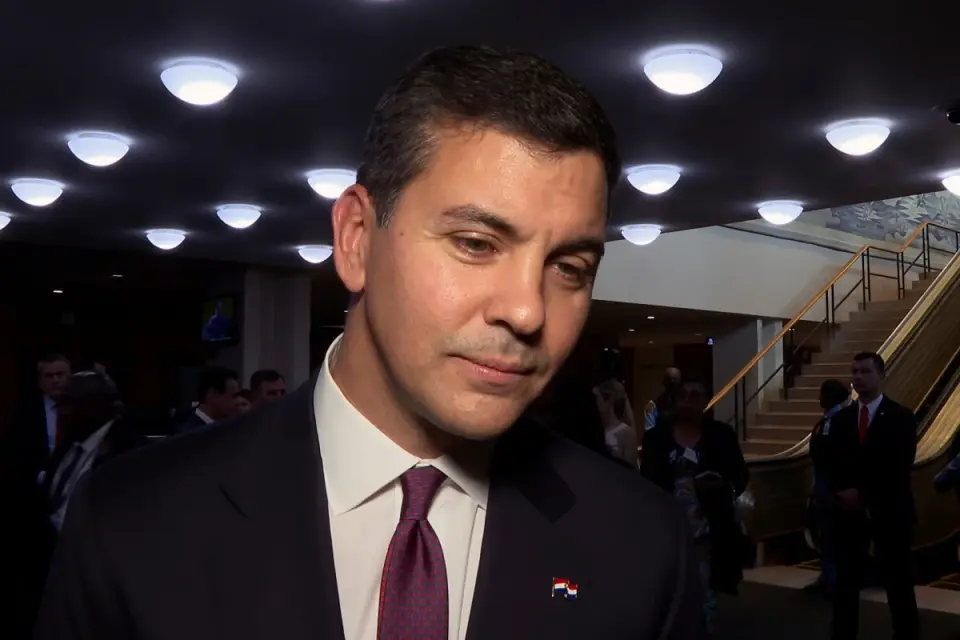
Former Paraguayan President Santiago Peña has been transferred to a military prison as he awaits trial over the collapse of Ueno Bank, a digital lender that served nearly 3 million customers. The move follows allegations that Peña used his office to steer public funds to the bank, which was seized by the central bank after being declared insolvent. President Pedro Alliana, who succeeded Peña, has dismissed the commander of the military base where Peña was previously held and pledged full cooperation with prosecutors. While small depositors have received partial compensation, millions in public and pension funds remain frozen, sparking protests and demands for emergency legislation.
Key points
- Judge Osmar Legal ordered former President Santiago Peña moved from the Presidential Escort Regiment to the Viñas Cué military prison, where he arrived in handcuffs and a bulletproof vest.
- Prosecutors allege Peña committed breach of trust and criminal association by using his influence to channel public money to Ueno Bank, which was seized by the central bank on Nov. 3 after being declared insolvent.
- President Pedro Alliana dismissed Col. José David Daiub, the commander of the military base where Peña was held, citing allegations of special treatment, and pledged to provide prosecutors with necessary resources.
- The collapse of Ueno Bank, which had 2.9 million customers, froze assets for nearly 3 million people and disrupted payments for households and small businesses, leading to Peña's impeachment and removal from office.
- While the deposit guarantee fund has paid out approximately $640 million to over 1.8 million small savers, more than 75% of the roughly $2.8 billion deposited at Ueno remains unreturned, including significant public and pension funds.
- Authorities have searched Peña’s homes, including a mansion in San Bernardino built partly with loans from Ueno, and have requested assistance from the US, Luxembourg, and Argentina to trace diverted funds.
Background
The Ueno Bank collapse triggered a political crisis in Paraguay in November 2026, resulting in the impeachment and arrest of President Santiago Peña. The digital lender, which served nearly 3 million customers, was seized by the central bank after solvency ratios fell below legal minimums. Vice President Pedro Alliana was sworn in as interim president, vowing to compensate depositors, while widespread protests erupted over frozen savings and perceived elite impunity.
Why it matters
The transfer of Peña to a military prison marks a significant escalation in the legal proceedings against the former president, signaling a shift from house arrest to formal pretrial detention. This development underscores the severity of the allegations regarding the misuse of public funds and the lack of oversight in the banking sector. The ongoing financial crisis, with millions in deposits still frozen, continues to strain public confidence in the banking system and demands urgent legislative action to protect pension funds and small savers.
What to watch
Prosecutors will continue their investigation into the Ueno Bank collapse, potentially seeking international assistance to trace diverted funds. The government is expected to address the return of pension and public deposits, with authorities having identified approximately $600 million in viable assets at the bank. Legal proceedings against Peña and other implicated figures, including former central bank head Carlos Carvallo, will proceed as the case moves toward trial.
Want the full story? Read the original reporting
Read on AP News