
Pedro Alliana assumes presidency as Paraguay faces banking crisis and ex-president faces charges
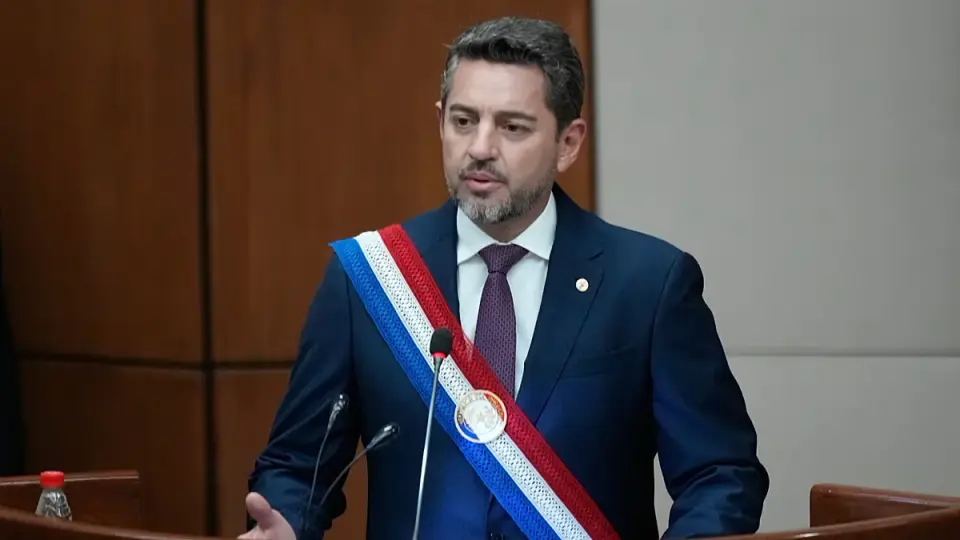
Pedro Alliana was sworn in as Paraguay's president on November 6, 2026, following the impeachment and house arrest of Santiago Peña. The political upheaval stems from the collapse of digital lender Ueno Bank, which froze the savings of approximately 3 million citizens. Peña faces criminal accusations regarding the bank's insolvency and mismanagement of public funds, while Alliana promises to address the financial crisis before his term ends in 2028.
Key points
- Pedro Alliana, 52, took office as president after Santiago Peña was impeached by the Senate with a 44-0 vote.
- The crisis was triggered by the central bank's seizure of Ueno Bank on November 2, 2026, due to insolvency.
- Approximately 3 million Paraguayans, representing 60% of the adult population, had their assets frozen overnight.
- Santiago Peña was placed under house arrest in Asunción and is accused of breach of trust, influence peddling, and misappropriation of funds.
- Alliana vowed to compensate affected depositors and manage the economic fallout until his term concludes in August 2028.
Background
Paraguay has experienced significant political instability in recent years, with this being the second presidential impeachment since 1989. The current crisis follows a period of aggressive expansion by Ueno Bank, a digital lender that became the primary financial institution for many citizens under Peña's administration. Previous coverage highlighted the rapid escalation from regulatory warnings to full central bank intervention, reflecting deep concerns over financial integrity and public trust in government institutions.
How outlets are covering it
Euronews emphasizes the personal background of Pedro Alliana, noting his basketball career and political lineage, while framing his ascension as a sudden shift after three years as vice president. The Guardian provides a detailed economic analysis, highlighting the severe impact on daily life, including an 80% drop in sales and the suspension of media operations linked to the bank. It also details the specific financial mechanisms, such as the $800m to $860m in state funds invested in Ueno. BBC focuses on the legal and procedural aspects, noting that lawmakers rejected Peña's resignation to strip him of lifetime immunity, and highlights the broad public outrage and protests in Asunción. All sources agree on the scale of the financial freeze but differ in emphasis: Euronews on the new leader's profile, The Guardian on the economic devastation, and BBC on the constitutional maneuvering.
Why it matters
The collapse of Ueno Bank represents a systemic failure in Paraguay's financial sector, affecting the majority of the adult population. The impeachment of President Peña signals a potential shift in the country's political landscape and raises questions about the integrity of regulatory oversight. The crisis has immediate humanitarian and economic consequences, leaving millions without access to basic funds and pensions, which could lead to further social unrest if not resolved effectively by the new administration.
What to watch
Santiago Peña is scheduled to be questioned by prosecutors on November 7, 2026, regarding the allegations against him. Pedro Alliana must navigate the complex task of restoring confidence in the banking system and compensating the 3 million affected depositors. The central bank has begun limited payouts to some customers, but the broader resolution of the crisis remains uncertain. Alliana's ability to stabilize the economy and manage public anger will be critical in the coming months.
- Pedro Alliana sworn in as Paraguay president after Santiago Peña's impeachment Euronews.com
- ‘Very strange, very sad’: Paraguay bank collapse fells a presidency and leaves millions broke The Guardian
- Paraguay’s pro-Israel ex-president taken into custody over alleged bank crisis role The Times of Israel
- Paraguay's President Santiago Peña impeached and under house arrest BBC
- Paraguay’s President, Santiago Peña, Quits Amid Ueno Bank Scandal The New York Times
Want the full story? Read the original reporting
Read on Euronews.com