
Takaichi defends secluded work style amid scrutiny of her leadership
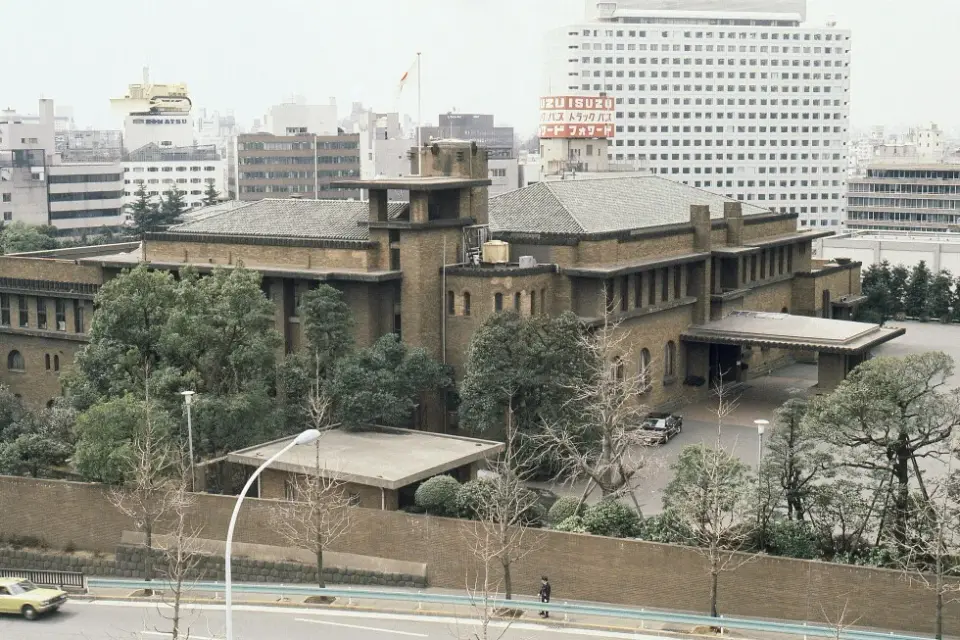
Japanese Prime Minister Sanae Takaichi has publicly explained her decision to spend extended hours in seclusion at her official residence in Tokyo. She stated that this isolated work style is necessary to manage the intense demands of her role and to ensure focused decision-making. This explanation comes amid public scrutiny regarding her limited public appearances and the perception that she is less accessible than previous leaders. Takaichi emphasized that her seclusion is a deliberate strategy to maintain clarity and efficiency in governance, rather than a sign of isolation or disengagement from political realities. The Prime Minister’s office confirmed that she continues to hold regular briefings and meetings with key officials, despite the reduced public visibility. This stance aims to reassure the public and political stakeholders that her leadership remains active and effective, even if less visible in traditional media formats.
Key points
- Sanae Takaichi stated that her seclusion at the official residence is a deliberate strategy to manage the intense demands of her role and ensure focused decision-making.
- The Prime Minister’s office confirmed that Takaichi continues to hold regular briefings and meetings with key officials, despite reduced public visibility.
- Takaichi emphasized that her seclusion is not a sign of isolation or disengagement, but a method to maintain clarity and efficiency in governance.
- This explanation addresses public scrutiny regarding her limited public appearances and the perception that she is less accessible than previous leaders.
- The stance aims to reassure the public and political stakeholders that her leadership remains active and effective, even if less visible in traditional media formats.
Background
Recent coverage has highlighted Takaichi’s leadership style, including her decision to skip the Yasukuni Shrine visit to ease tensions with China and South Korea, and the first execution under her government. These actions have drawn attention to her approach to diplomacy and domestic policy, with some critics questioning her public engagement. The current explanation of her seclusion adds to the broader narrative of her leadership style, which emphasizes internal focus and strategic decision-making over public visibility.
Why it matters
Takaichi’s explanation of her seclusion is significant as it addresses public concerns about her accessibility and leadership style. In a political environment where public engagement is often seen as a measure of leadership effectiveness, her defense of a secluded work style could influence perceptions of her governance. This may also set a precedent for how future leaders in Japan approach public visibility and media engagement, potentially affecting the transparency and accessibility of government operations. Additionally, it highlights the tension between traditional expectations of public leadership and modern strategies focused on internal efficiency and focused decision-making.
What to watch
Takaichi is expected to continue her current work style, with regular briefings and meetings with key officials. Public and political scrutiny of her accessibility may persist, but her office has indicated that her leadership remains active and effective. Future developments may include further public statements or actions that demonstrate her engagement with domestic and international issues, potentially addressing ongoing concerns about her visibility and leadership style.
Want the full story? Read the original reporting
Read on AP News