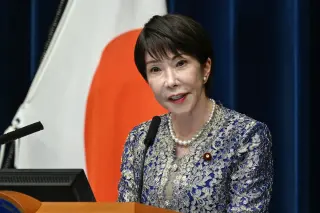
Japanese Prime Minister Sanae Takaichi is facing criticism for remarks about domestic chores and makeup, as well as for potential changes to her parliamentary attendance. Opposition lawmakers warn that reducing her presence in the Diet could limit government scrutiny.
Japanese Prime Minister Sanae Takaichi has publicly explained her decision to spend extended hours in seclusion at her official residence in Tokyo. She stated that this isolated work style is necessary to manage the intense demands of her role and to ensure focused decision-making. This explanation comes amid public scrutiny regarding her limited public appearances and the perception that she is less accessible than previous leaders. Takaichi emphasized that her seclusion is a deliberate strategy to maintain clarity and efficiency in governance, rather than a sign of isolation or disengagement from political realities. The Prime Minister’s office confirmed that she continues to hold regular briefings and meetings with key officials, despite the reduced public visibility. This stance aims to reassure the public and political stakeholders that her leadership remains active and effective, even if less visible in traditional media formats.
Larry the Cat, Downing Street's Chief Mouser since 2011, greeted Andy Burnham as Britain’s seventh prime minister in a decade, marking 15 years of service behind 10 Downing Street and becoming a beloved figure who has met world leaders, schoolchildren and the press, with a devoted following and even calls for an honorary knighthood.
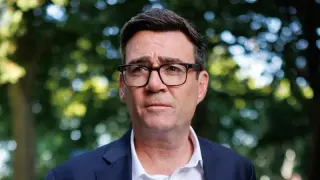
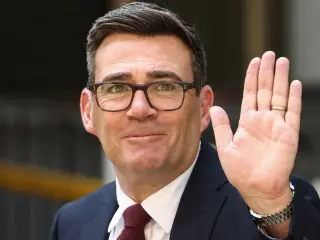
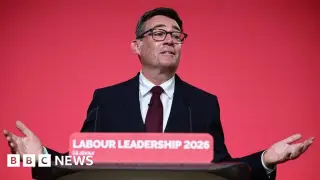
Andy Burnham is poised to become the United Kingdom’s next prime minister, replacing Keir Starmer as Britain endures a decade of political churn driven by stagnant wages and high taxes; his historic Catholic faith marks a first for the office, and the transition will unfold with Buckingham Palace ceremonies and subsequent cabinet appointments as Burnham forms a government.
Andy Burnham, Labour’s leader and former Greater Manchester mayor nicknamed the 'King of the North,' is set to become the UK’s 59th prime minister after Labour won the leadership following Keir Starmer’s resignation. He will be invited by King Charles III to form a government, return to Parliament, and deliver his first address from 10 Downing Street, with priorities including making life more affordable and reducing regional inequalities; early talks have floated measures such as placing Thames Water under Special Administration. The next general election remains due in 2029, and the transition is expected to be swift with the traditional 'kissing hands' ceremony.
Labour leader Andy Burnham says he is finalising his cabinet and will announce it on Monday as he takes over as prime minister, signaling a team that reflects all parts of the party and communities while prioritising social-care reform and greater devolution.
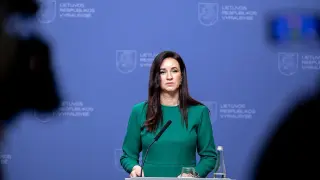
Lithuanian Prime Minister Inga Ruginienė and her cabinet resigned after about ten months in office, with Ruginienė set to return as social affairs minister in a new cabinet led by Mindaugas Sinkevičius. The tenure was marked by crises including balloon-smuggling incidents, drone incursions, a high defence budget, and ministerial dismissals, plus controversy over trips and leaked data. The reshuffle realigns the coalition, with Social Democrats retaining core ministries and Democrats For Lithuania rejoining; Sinkevičius’s nomination to Seimas is expected to be submitted soon.
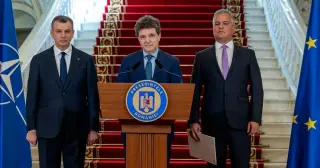
Romanian President Nicușor Dan designated Adrian Veștea, a center-right politician and former development minister, as the next prime minister after Eugen Tomac failed to gather enough support for a technocratic cabinet; Veștea now has 10 days to form a government and secure parliamentary approval, with potential friction from Tomac’s party (PNL).
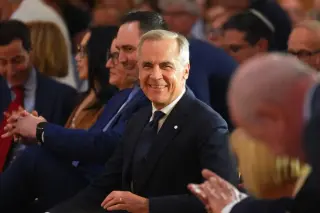
Prime Minister Mark Carney says Canada is failing its Jewish community as antisemitism rises, telling leaders at Holy Blossom Temple in Toronto that action is needed.
A powerful explosion at the Ta' Lourdes fireworks factory in northern Malta injured two men in nearby fields, with a second blast and smaller detonations continuing hours later; authorities said no workers were at the factory at the time, and Prime Minister Robert Abela expressed sympathy and said assistance would be provided.
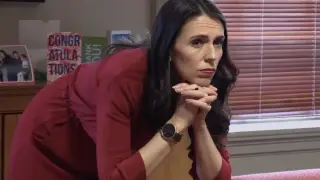
HBO’s Prime Minister, a documentary about Jacinda Ardern that premiered at the 2025 Sundance Film Festival (winning the Audience Award), won Best Documentary at the Documentary Emmys. Nat Geo and Netflix tied for the most wins on the night with six apiece, while PBS and other outlets picked up a slate of additional honors across categories.
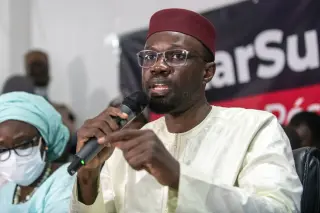
Senegalese President Bassirou Diomaye Faye named a former banking executive as the country's new prime minister, signaling a cabinet reshuffle as his administration seeks to recalibrate governance.
Senegal’s President Bassirou Diomaye Faye dismissed the prime minister after months of simmering tensions, prompting a major cabinet reshuffle that could signal a shift in policy and the country’s political trajectory.
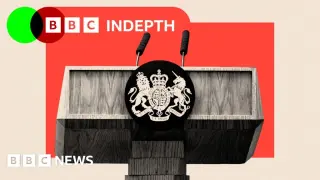
Britain isn’t ungovernable, but a BBC InDepth analysis argues leadership is stretched by five prime ministers in seven years, Brexit and other crises, a centralised No.10, civil-service friction, and a public demanding quick results—highlighting a need for blunt truths, fiscal realism, and durable leadership to steady governance.
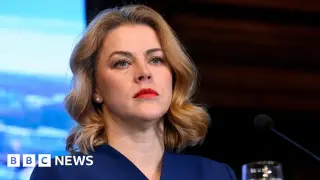
Latvia’s Prime Minister Evika Silina resigns after a dispute over how to respond to stray drones likely Ukrainian and bound for Russia; her firing of the defence minister triggered his party’s withdrawal of support and toppled the four-party coalition ahead of October elections. The incident highlighted gaps in crisis response and alert messaging, but caused no casualties as Latvia continues to back Ukraine and bolster defence, with President Edgars Rinkēvičs planning a quick formation of a new government.